MAIN DIFFERENCES BETWEEN HARD AND SOFT WATER:
Now we have looked at all the positive and negative sides of both types of water. It is essential to ensure that you know all the differences. We have already mentioned some of them, but let’s summarize:
Mineral content:
This is the most important difference between hard and soft water. Rainwater is naturally soft. However, if it runs through the soil, it absorbs many minerals, such as lime, calcium, magnesium and chalk. Soft water, on the other hand, does not contain all of these materials.
Drinking:
Because soft water does not have hard water in all minerals, it is not suitable for drinking. Soft water is known to cause many health problems.
Household duties:
Although hard water is good to drink, it is a total nightmare when used for cleaning. You get stains on your dishes, soap residues in the tap and in the shower, your clothes get bleak after going through the washing machine, and so many other irritating things. For this reason, when it comes to household chores, people prefer soft water.
Skin:
Soft water is known as a ‘skin friend’, while hard water makes your hands dry and flaky.
What is better – hard water or soft water?
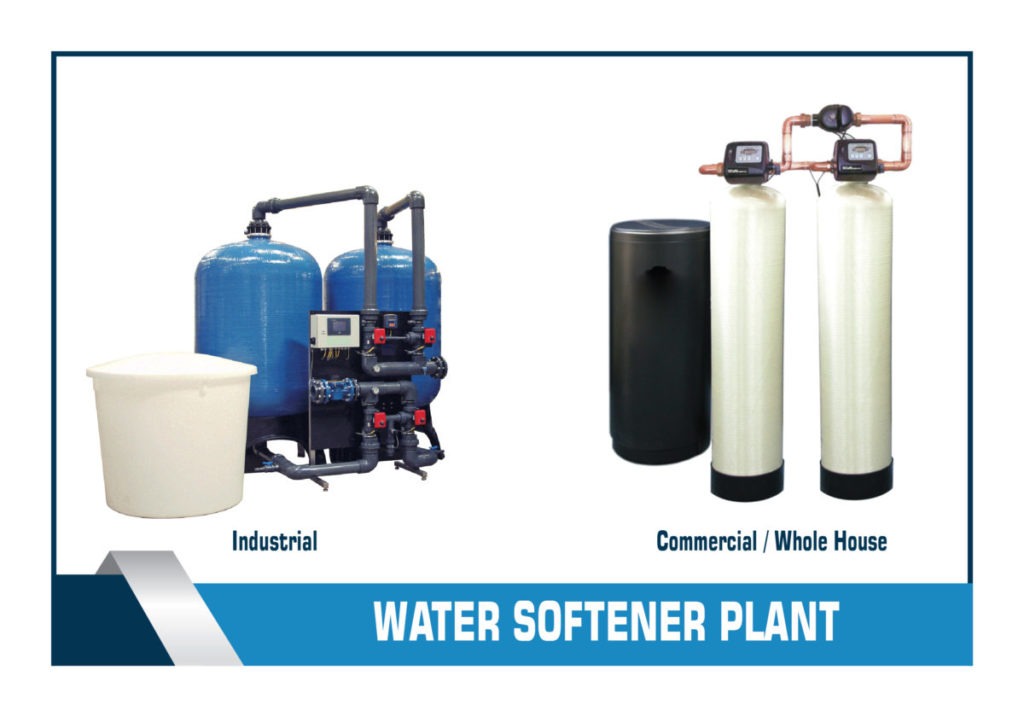
Many experts claim that hard water is much better than soft water. However, we should not ignore the benefits of soft water. That is precisely why many experts propose using a water softener plant that has a water bypass tap system. This allows hard water to flow to some specific areas, so that it can be used for drinking and cooking purposes. If not, our team recommends that you use other water sources, such as bottled water for drinking.
Temporary hardness:
Sometimes dissolved bicarbonate minerals can cause temporary hardness. In suspension, magnesium bicarbonate and calcium bicarbonate give up magnesium and calcium cations (Mg 2+ Ca 2+) and bicarbonate and carbonate anions (HCO 3, CO 32 -).
The permanent hardness is caused by chloride and sulphate compounds and cannot be reduced so easily. This “temporary” hardness, on the other hand, can be reduced by adding lime by the process of lime softening, or by simply boiling the water.
HOW CAN THE WATER HARDNESS BE TESTED?
Bottle test:
You need a clean, empty plastic bottle with a cap and washing-up liquid. After removing the cap, fill the bottle approximately halfway with water. Then add about 5 drops of the detergent and start shaking vigorously. The usual thing is to see foaming. If the foam remains, the water is soft. However, if the foam disappears quickly, you will have hard water at home.
Water Test Kit:
There are many places, even online, where you can get a water test kit . Such a test indicates the hardness of your water with a reasonable accuracy. First you have to fill a bottle with the water you want to test. You must then add a drop of solution and shake for about 10 seconds. Not until there is half an inch of foam in the water, if you stop adding drops and shaking. Each drop is equal to 1 grain hardness. If you have less than 3 grains of hardness, then your water is a little hard at most. If you get a result higher than 3, you can consider treating the water.
Tub or shower:
The easiest way to understand whether you have hard water at home is to look at your bath or shower. If you have a white mineral bowl on your surface, then you certainly have hard water. These scales are formed by calcium and magnesium, and you have to be careful because the minerals can accumulate in the pipes of your house and thereby clog
For further information click here : Ro plant price in Pakistan
 watertreatment