WHAT IS WATER SOFTENING AND HOW DOES IT WORK?
Hard water has a high mineral content and is especially rich in large amounts of calcium and magnesium carbonate, but also in ferrous iron. The problem with hard water is that the calcium and magnesium ions interact with the fatty acids in the soaps, forming a gelatinous curd. Because the soap is less efficient, you have to use more of it for washing. Not only will this curd make the soaps more inefficient, but it will also make your bathroom look unkempt. When the hard water splashes on the walls of your bathroom, some of the minerals will fall into the water, causing lime deposits. Part of the water pipes can also be blocked by limescale. Water softening is the process by which the calcium, magnesium and other metal cations in the water are removed. This is done by replacing the calcium and magnesium ions. This may seem complicated at first glance, but it really isn’t. The calcium and magnesium ions in the water therefore carry positive charges. The water softener pushes the water through a tank filled with negatively charged pearls. As the water passes through the tank, the positive calcium and magnesium ions will cling to the beads instead of floating through the water. But if the pearls kept the magnesium and calcium to themselves, we could use each water softener once. So instead of keeping them for themselves, the beads exchange them with similarly charged elements. And the chosen element is sodium. Sodium ions are positively charged. Although they are not as powerful as the calcium and magnesium ions, they can make up for it in large quantities. After the water has passed through the beads and the minerals have clung to the surface, the beads are rinsed with a strong brine solution. Each water softener has a separate brine tank that holds the brine solution. Here is a simplified version of how this works
- The hard water ends up in the mineral tank
- The magnesium and calcium ions stick to the beads and move the sodium ions
- The sodium ions go into the water instead of the calcium and magnesium
- The water softener starts its regeneration cycle
- The water flow is reversed to clean the water tank
- The brine solution ends up in the mineral reservoir
- The sodium ions replace the magnesium and calcium ions on the beads
- The calcium and magnesium ions are flushed down the drain
- The mineral reservoir is rinsed with the brine solution
- The brine tank is topped up
The process is now ready to start again
WHAT CAN YOU USE TO SOFTEN YOUR WATER?
Now that we’ve explained why the use of shower head water filters is not a viable solution for getting soft water, let’s look at some of the water softeners that are.
CONCLUSION:
As you could see, the water softener shower head that you bought was not the real deal. Even if the shower head seemed to work for a short time, it may not be functional in the long run because it has no means to charge its resin granules and cannot flush the calcium and magnesium ions into another drain.
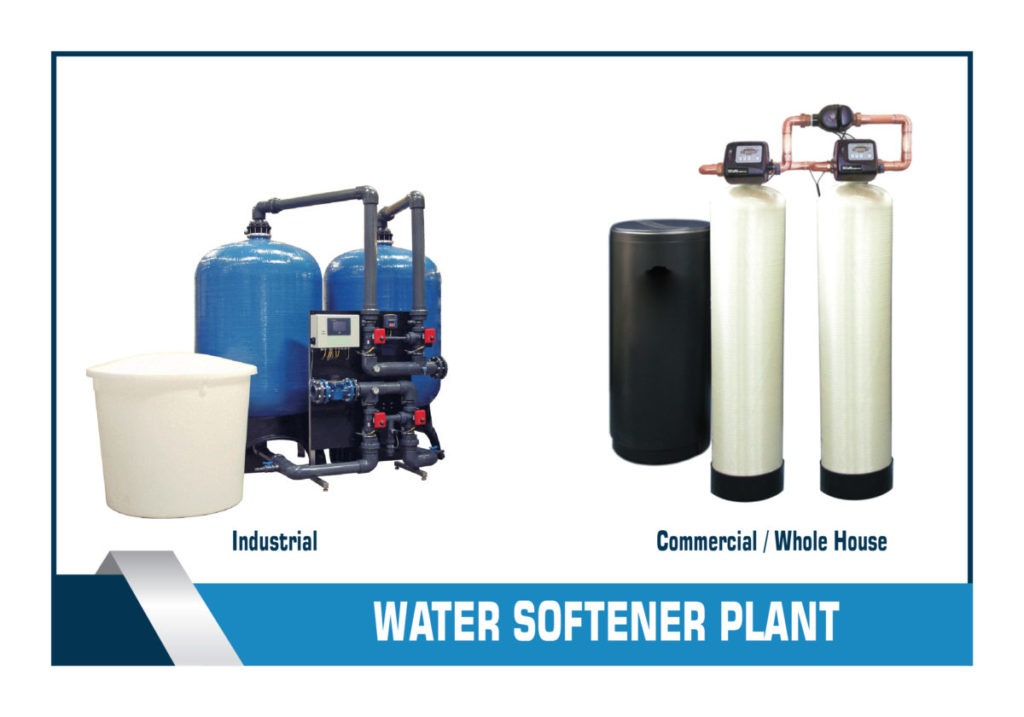
Fortunately there are other water softener plants that you can use to ensure that you shower with the best possible water.
For further information click here : Ro plant price in Pakistan
 watertreatment