Water treatment produced
As mentioned earlier, produced water is a product of drilling operations in oil wells. It usually picks up what was in the oil and the surrounding soil. The operators of these wells cannot simply dump the produced / backflow water anywhere, especially for offshore operations, because the pollutants can cause serious environmental damage. In onshore oil cracking activities, produced water cannot usually be sent through an injection well due to environmental regulations, it must usually be transported off-site or reused. Reusing produced water is much more economical for oil well managers because they can treat the produced water from multiple oil wells through a recycling operation to deliver treated water for their next fracking task. UF water treatment systems are typically used in the tertiary phase of a multi-stage treatment process to remove traces of suspended solids and oil / fat levels from the treated water to be available to treat the water needs of subsequent fracked oil wells.
Refinery cooling tower feed water treatment
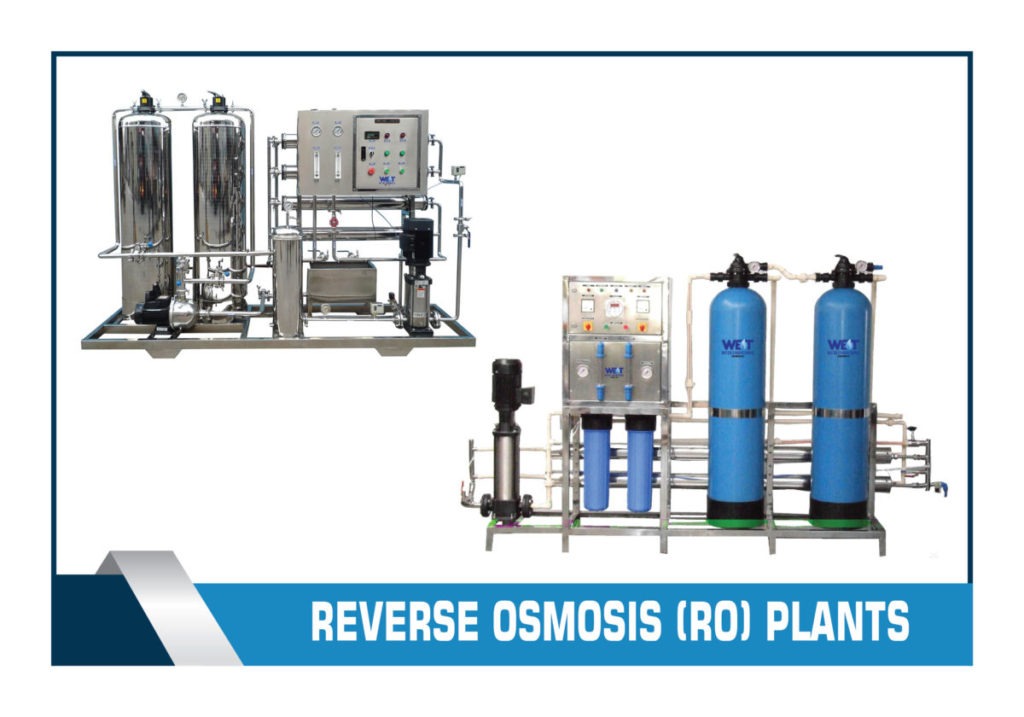
Because refinery processes are related to heating, there are cooling towers to compensate for this. It is important for the proper and effective functioning of these towers that the feed water is free from debilitating contaminants such as lime deposits, corrosive chemicals, iron and organic substances. Treatment systems can use tertiary phase UF water processes to remove suspended matter / turbidity, trace oil / fat and color in the feed water. This reduces the chance of colloidal contamination in later process steps such as ion exchange or reverse osmosis. Due to the pre-treatment of cooling tower feed water, the system continues to operate at maximum efficiency for as long as possible. UF water systems in combination with technologies such as oil / water separation, centrifugal filtration, electro coagulation and clarification ensure that the treatment system continues to work in the same way.It similarly works like an industrial Ro plant The examples above are just two of different ways in which UF water treatment systems can be used as part of a treatment process to provide oil and gas companies with an effective and efficient water treatment solution that meets their needs.
First, let’s identify and assess some of the common pollutants in produced water and waste water from refineries.
Produced water contaminants:
- Salts (chlorides)
- Oil and fat
- Naturally occurring radioactive material (NORM)
- hydrocarbons
- Micro-organisms, bacteria and viruses
- Heavy metals
- Organic ingredients
- Corrosion inhibitors, scale inhibitors, emulsion crushers, etc.
- Hardness
- Sulfur and hydrogen sulfide
Refinery wastewater contaminants:
- Free oil
- Emulsified oil
- TSS
- BID
- COD
- sulfides
- phenols
- cyanides
- ammonia
- hydrocarbons
For further information click here : Ro plant price in Pakistan
 watertreatment