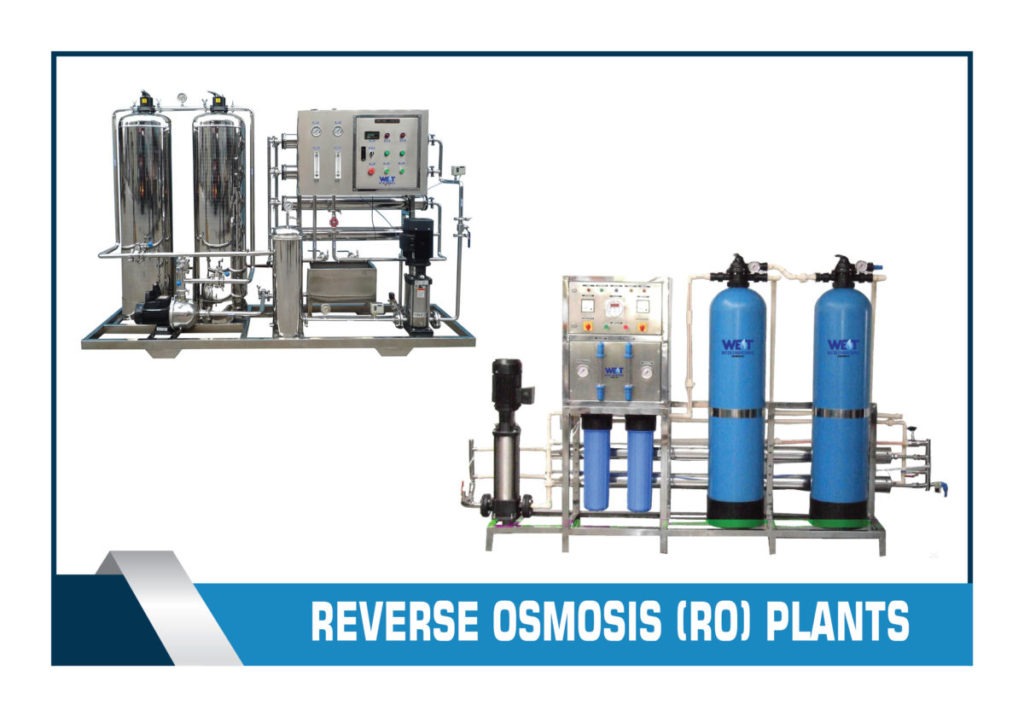
You can list the components of a UV disinfection system on the one hand: UV lamps, reactor chamber sensors, electrical equipment, and control system. Chemical systems also need storage and dosing, and in some cases, namely for chlorination systems de-chlorination equipment. That’s why simple designs also mean easier operation for UV sterilizer systems and for industrial Ro plants. An easy-to-use system, fewer personnel for operation and maintenance and those personnel do not have to be highly qualified. Maintenance primarily involves cleaning contaminated lamp sleeves and replacing UV lamps as they pass their lifespan. This entire system is based on the properties of light radiation, and if there is one thing everyone knows about light; it’s fast. Even traveling through a medium such as water, it takes no time for the UV radiation to reach the target pathogens from the ultraviolet lamps if the water is properly pre-filtered. Chemical disinfectants need a few minutes to mix well in the solution to cover the full volume. For comparison, disinfection of equal amounts of contaminated water with the correct dose of chlorine can take up to 30 minutes to fully treat while a UV sterilizer can last less than 5 minutes. Process water must be available therefore for facilities that treat water present before production, reaction time can be critical to prevent production delays. A UV light sterilizer can significantly reduce disinfection treatment time to obtain treated water, which is ready for use in a few minutes. Water reuse is and remains one of the biggest considerations for companies around the world in the fight against water scarcity. By reusing process water, gray water and waste water, buildings and facilities will reduce their demand for raw water from surface and groundwater sources and reduce the associated costs for supplying raw water and treating raw water for use. One of the disinfection methods for treating this water is the use of a UV treatment for water reuse applications .
Reuse of water can be more difficult in certain applications, namely those that require water that is free of microbes such as bacteria. Treatment to such a level typically requires a tertiary treatment phase. This treatment would be performed by disinfection, essentially killing off all harmful pathogenic organisms by rupturing their cell wall or destroying proteins or mutating DNA to prevent them from functioning and reproducing properly.
Design features:
UV treatment systems are relatively simple – that is why they are so compact – and consist of only a few important components: lamps, an SS reaction vessel, sensors and a power supply module.
For further information click here : Ro plant price in Pakistan
 watertreatment