What are the benefits of coconut shell activated carbon:
Activated carbon is used for water purification, and in a variety of installations, in a variety of cases. The most primitive device based on it is a makeshift filter. Hunters and fishermen often build a simple structure of coal, cotton wool, sand and a plastic bottle to purify moisture in camp conditions.
Coal is used at water treatment plants to rid liquids of impurities and improve its taste. These are places where a huge amount of water is purged to be supplied to the population. Of course, coal-based devices there are large-scale, thoughtful and modern.
Activated carbon is also used in wastewater treatment, i.e. liquids from enterprises, settlements, or precipitation. It is used as part of the physicochemical purification phase.
But we decided to devote this article to activated carbon, which some manufacturers of water filters for home have adopted, namely, coal obtained from coconut shells. Why did this material appeal to manufacturers? For which filters can I buy water cartridges based on this substance? Read about this and much more in this article.
How is ordinary coal different from coconut, and why is it used in water treatment?
Ordinary activated carbon is most often obtained from oak, spruce, birch, pine. It certainly has excellent sorption properties, it is used for water purification, in the manufacture of medicines, for other purposes. However, coconut charcoal is more efficient, more environmentally friendly, more secure.
Due to its structure, this material has improved sorption capabilities, i.e. provides much better water purification in comparison with ordinary coal. This is due to the fact that the coconut variant has a larger total area of all filtering pores. This is what attracted the manufacturers of water purification equipment. Activated coconut charcoal is used to:
- reduce the concentration of chlorine and chloride compounds in water,
- reduce the concentration of organic compounds in water,
- improve the taste of water
- remove odors from the water.
It is not surprising that most often the main filter material in household filters is precisely coconut activated carbon. On its basis, cartridges for jug, flow-through devices are made, they are part of reverse osmosis systems. Coal can be granular and pressed (carbon block technology).
Aquafor also developed and patented a fiber material based on activated carbon – Aqualen.
What are the functions of activated carbon cartridges in filters?
If we talk about simpler household filters, for example, jug filters, the task of the cartridge is very, very responsible – to remove the maximum amount of impurities from water. After all, there are no other cleaning elements in the device. Flow systems, such as Geyser filters , typically purify water with multiple cartridges. One, for example, is made of coal, and the other is based on an ion exchange resin to soften moisture.
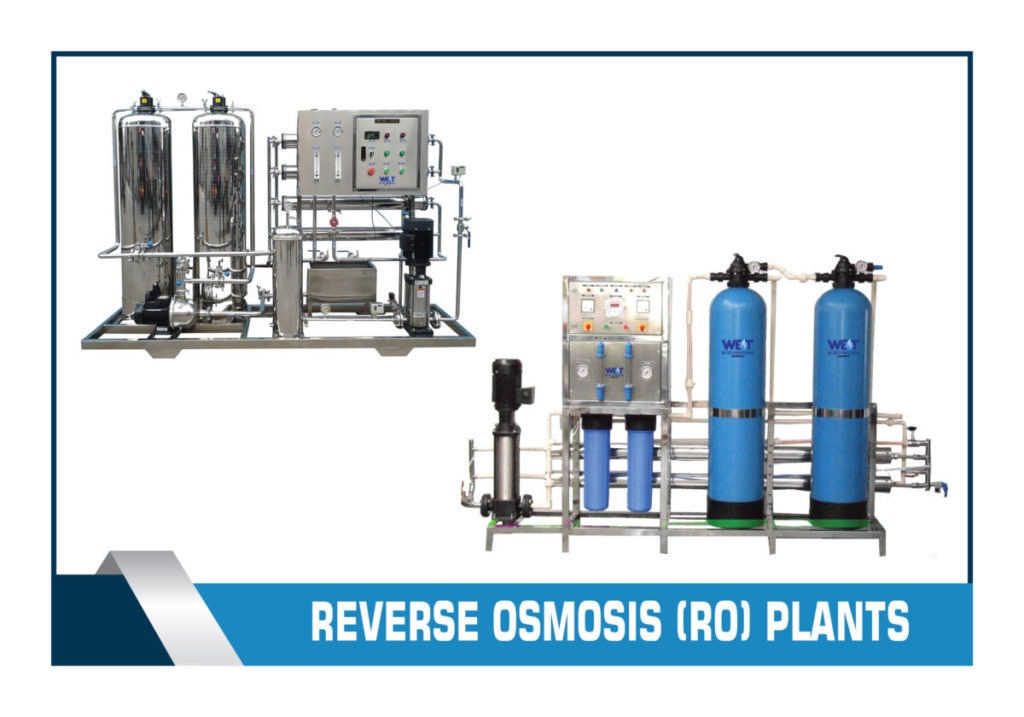
Also, cartridges, which include coconut shell coal, are part of the classic reverse osmosis systems. There they are needed in order to:
- prevent damage to the reverse osmosis membrane by chlorine and its compounds,
- improve the taste of the water leaving the system after being in the storage tank.
- Geyser and Atlantic reverse osmosis filters are equipped with the most reliable and efficient cartridges based on high-quality, specially activated coconut charcoal. By purchasing products from these manufacturers, you can be sure that the device will work reliably.
Conclusion:
Coal made from coconut makes it possible to achieve a high level of sorption water purification. It is used in modern household filters for cleaning life-giving moisture. On its basis, cartridges are produced for a wide variety of devices.
For further information click here : Ro plant price in Pakistan
 watertreatment