Iron is a chemical element from the periodic system of elements of D. Mendeleev with atomic number 26. Mankind has known it for a long time, the first archaeological finds date back to the 9th century BC. The event when a person learned to use iron is dedicated to a separate story called the Iron Age. There is a lot of iron in the earth’s crust; it takes the fourth place among all the constituent elements of the earth’s crust and the second among metals. That is why iron in water is very common.
Iron in water appears from the soil. It interacts with organic substances in water, resulting in the formation of compounds that take a dissolved, colloidal or suspended state. In addition to natural iron, iron is found in water from industrial and agricultural effluents, from old water pipes, or due to the use of iron-containing coagulants at treatment plants.
In surface sources, the amount of iron in water is measured in tenths of a milligram. As a rule, it is present there in the form of ferric iron in combination with inorganic and organic compounds. Much more iron in water is found in underground sources, where it takes on a divalent form. Ferrous iron is completely soluble in water. Ferric iron, or iron hydroxide in another way, is insoluble in water and precipitates as a rusty precipitate.
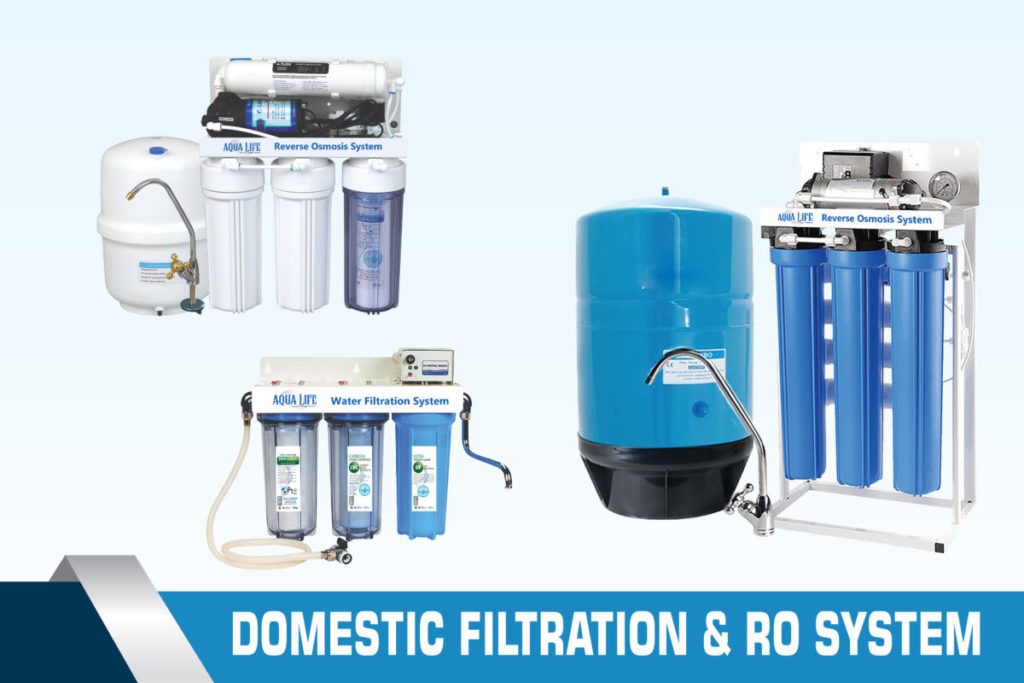
Iron in water adversely affects human health , creates problems in everyday life, and just the water looks unpleasant, the smell and taste also leave much to be desired. With a high content of iron in the water, the water becomes a yellow-brown color, the color of rust. She leaves marks on the plumbing and tiles, when washing spoils clothes and linen. Such water has a pronounced metallic taste, which makes it unsuitable for drinking and cooking. To avoid this, install an reverse osmosis water filter , which removes iron and other dissolved elements.
Once in our body, iron in water does not go unnoticed . Despite the fact that this element is quite difficult to digest and practically does not accumulate in the internal organs, it can nevertheless make itself felt by allergic reactions, which is very common. From a large amount of iron in the body, the risk of heart attacks increases, the reproductive function of the body is disrupted. And simply it is unlikely that you will want to drink red water and give your children water, wash white sheets, and get spoiled in rust spots after washing. Therefore, in any case, the iron in the water must be removed. In areas with a high iron content in water, iron removal stations operate. If you do not trust city services and want to effectively purify water yourself, then use an advance water filter for home .
Our body cannot live without iron. It is part of hemoglobin, which is responsible for the transfer of oxygen, which is needed by all organs and cells. The lack of iron levels seriously affects our well-being, but you must understand the huge difference between useful iron and iron in water. The rusty fluid flowing from the tap will not make up for the required amount of hemoglobin. In animal and plant foods, iron is present precisely in the form that the human body needs . If you need to replenish iron, eat dishes from the liver, meat and kidneys of animals, egg yolk, fish, dried porcini mushrooms, peas, beans, soy, buckwheat, green spinach, parsley, quince, prunes, apricots, cherries and, of course apples.
For further information click here : Ro plant price in Pakistan
 watertreatment