Household use:
Scale on the heating elements of boilers and heating boilers, washing machines is the most common reason for unscheduled service. In addition to frequent breakdowns, scale on pipes and heating elements of heating systems significantly reduces the energy efficiency of equipment. With prolonged use of hard water, the efficiency can decrease by 30 – 40%, while correspondingly increasing the cost of electricity and the final bill.
In addition, hard water increases the consumption of detergents when washing clothes, meat is poorly digested in it, an unaesthetic, difficult to wash off plaque is formed on the plumbing.
Industrial application:
In some industries such as in industrial Ro plant , rigidity is strictly regulated.
In particular, scale is dangerous for boilers and steam boilers due to the reduction of their service life and increased energy costs. In this case, water quality is regulated by individual standards . Recommended Quality – 0.02 mmol / L
Tough standards also apply to water for heat exchangers, as reducing the diameter of the pipes and violating thermal conductivity due to the scale layer is critical.
In the food and beverage industry, a water quality of 0.2 – 1 mg-eq / l also plays a role.
Water softening during water treatment:
Reagent softening:
In this method, hardness salts are converted to insoluble form. To do this, use soda ash Na 2 CO 3 or hydrated lime Ca (OH) 2 , the most effective reagent is sodium orthophosphate Na 3 PO 4 , which is part of most household and industrial reagents. The disadvantage of this method is the danger of such methods to the environment, since phosphates are not removed at biological treatment plants and end up in water.
Ion exchange:
Such a load is a polymer granule that can swell upon contact with water. Such loading exchanges hardness cations for safe sodium or hydrogen ions. Today, the ion exchange method is used as the most effective in the home and industry. Read about ion exchange technologies.
Reverse osmosis:
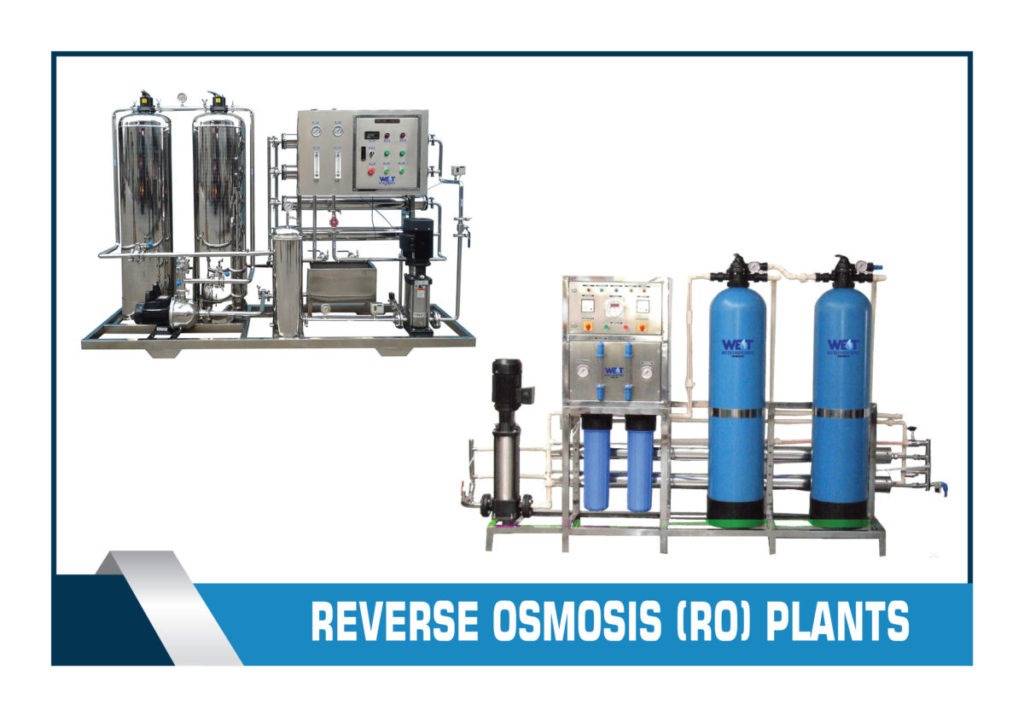
Due to the fact that the pores of the membrane are of the smallest size, they are able to retain 99.8% of mineral impurities. The method is suitable for drinking water at home or in industrial preparation of process water. Read more about Ro plant price in paksitan
 watertreatment