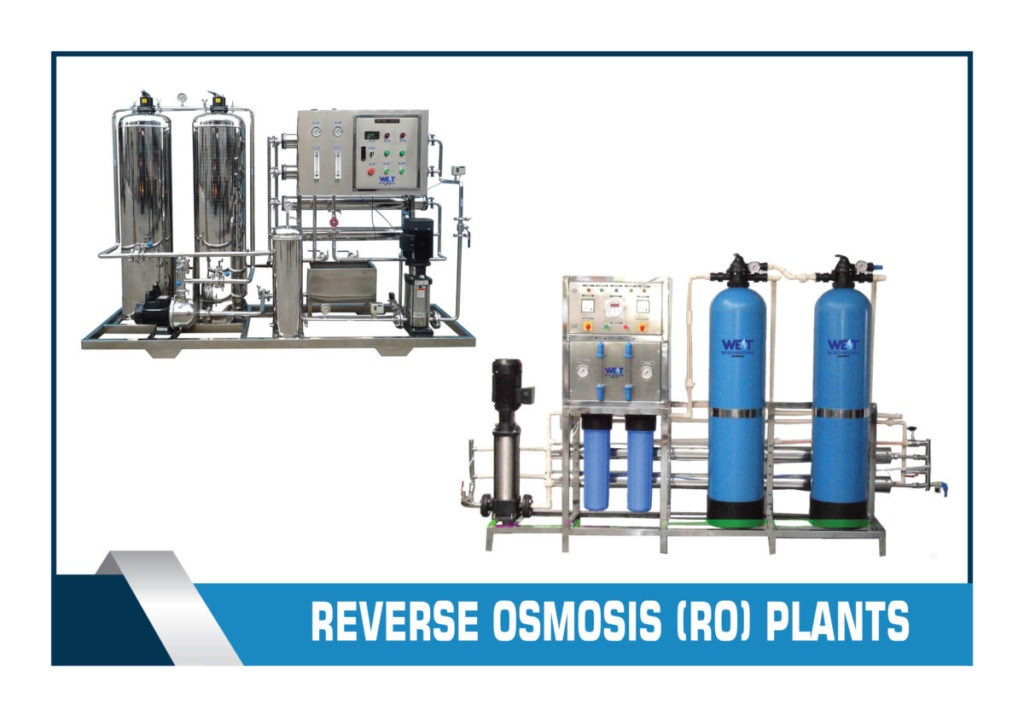
Ultra filtration Membranes Types

UF water treatment systems have many possible combinations between the types of membrane configurations, flow patterns, aeration and immersion. View our for more information about these design considerations for an ultra filtration system Basic of Ultra filtration article . Each has its own advantages that would work for a certain industrial / commercial application, and disadvantages that would work against it. Therefore, when choosing an ultra filtration system for an industrial or commercial water treatment application, there are few important things that can help you determine which configuration is optimal for your application.

What is in your water?

The most obvious and important factor that determines how you treat your water / wastewater is what is in your water. Different pollutants require different emission allowances based on their size, concentration and effects on the chemistry of the liquids.

Particle size:

The dimensions of the smaller contaminating particles determine the pore dimensions of the selected membrane. Ultra filtration membranes vary from 0.1 to 0.01 microns which is most probably equals to industrial Ro plant . A general rule of thumb is to select a membrane with pores of one tenth the size of the smallest particles to be filtered. This allows smaller particles to pass through the pores, but larger particles are stuck to the surface and do not nestle in the pores. This makes maintenance of the solid surface layer easier with a cross-flow and also makes backwashing more effective.

Concentrations:

The concentration of solids in the raw water will determine some design parameters for the configuration of the UF water treatment system. Whether the flow is transverse or dead end and inside out or out. Lower concentrations of solids are ideal for a dead-end flow inside out. Dead-end flow requires less energy to produce than cross-flow and inside-out flow has more uniform flow properties.

It all has to do with how quickly the membrane builds up solids on its surface layer. High loads in dead-end configurations will quickly build up a layer because every piece of organic solid remains on the membrane. Inside-out flow, especially for hollow fiber and tubular membranes, can completely clog the permeate tubes over time.

On the other hand, cross-flow will carry excess solids parallel to the membrane instead of depositing them directly on the surface. This ensures longer durations in very solid loading situations. External streams do not have an inner circumference for silting up.

Chemicals, pH and temperature:

Different membrane materials have different resilience to rougher effluent conditions. In general, polymeric membranes are less expensive, but they can be much more sensitive to degradation in the presence of very basic or acidic pHs or higher temperatures. However, ceramic membranes can handle a wider variety of conditions, but are much more expensive. There are different types of polymeric membranes and some can be used in more volatile conditions, but a ceramic membrane can tend to last much longer without replacement.

For further information click here : Ro plant price in Pakistan

Features Ultra filtration Process

A facet of technological advancement is trying to reduce the more conspicuous problems that consistently arise due to the nature of a system process. Of course, even with decades of improvement, nothing is infallible. In this article we discuss the common issues that can occur with UF filter systems. Ultra filtration is a pressure driven membrane separation technology that is a compact and sophisticated filtration method used in reuse applications of drinking water and tertiary waste water. The semi-permeable membrane can remove solids as small as 0.01 microns, including sludge and viruses. However, membrane filtration technologies will have problems without proper care for appropriate pre-treatment, operation, and maintenance. Ultrafiltration  is almost very similar to industrial Ro plant. UF filter systems are usually affected by three main problems. See our upcoming article on how GWT solves problems with ultrafiltration for information on how to solve these problems to optimize the process.

Fouling of the membrane:

UF filtration, like any other membrane separation technology including reverse osmosis, is susceptible to what is known as membrane contamination. In simple terms, pollution is what happens when particles adhere to the surface of a membrane. The uncontrolled construction will ultimately lead to reduced efficiency, a pressure drop and increased energy consumption. There are a few different types of pollution that can occur. Each has its own cause, as well as a difference in effects. Of these membranes, some are reversible and others irreversible.

Solids:

Floating solids and colloidal particles collect on the surface of the ultrafiltration membrane and in its pores, thereby preventing the flow of water through the membrane. This contamination is more common in applications with high turbidity and suspended solids without suitable pre-treatment.

Scaling:

Membrane scale is no different than what happens in pipes that transport water with high concentrations of hardness materials. When the concentration of these dissolved minerals is high enough to exceed the saturation limit of the solvent solution, they begin to precipitate from the solution onto the surface of the membrane. These minerals can crystallize, making them almost impossible to remove without any form of chemical cleaning or antiscalant pre-treatment. Calcium and magnesium are two primary minerals that can cause scale deposits on the membranes of UF filter systems.

Microbiological:

Biological contaminants such as algae and microorganisms are often found in surface water sources. Provided with a warm environment and low flow rates, these contaminants will adhere to the surface of a membrane and begin to multiply. Over time, they can form a film that prevents water from flowing through the membrane and causes an increase in pressure differential between the membranes. This increased pressure difference will put more strain on the pumps and increase the amount of energy they absorb.

Waste disposal:

This relates to the discharge of the UF filter concentrate. The filter system did what it should do and you have clean water that you can safely discharge into an outside stream without paying fines for environmental regulations. Or maybe you are going to re-use it somehow. Whatever happens, you have this water supply. But what about all those contaminants that were removed? Unfortunately, this concentrate stream has not disappeared into nothing to never be treated again. No. It is still there, whether it is attached to the membrane or in a concentrate waste tank, and something needs to be done. The problem is that you can’t just throw it out the window and call it a day. This waste water is a concentrated form of what was also in the feed water. Therefore, in some cases it may be safe enough to release into the environment, but in other cases the facility will be charged a high fine if it contains harmful pollutants.

Increased permeate contamination:

This point is fairly rare for systems that are properly maintained and controlled. To repeat, permeate refers to the water that is separated from the contaminating solids. It is the clean water that you get from this filtration process. That is why it is certainly a problem if you notice that the quality of your permeate water is deteriorating. Or there are larger solids or bacteria that should have been retained by the membrane that pollutes the water. This decrease in removal efficiency is usually indicative of a compromised membrane. Polymeric membranes can wear out over time. They can break down high temperature or pH values ​​fairly quickly, and without a proper pre-treatment regime, rough particles can damage the inner pores of the membrane. Obvious, membranes don’t work very well if they’re full of extra holes (except for their pores of course). And now the system does not meet the designed specifications and you must replace the membrane and recirculate the contaminated permeate.

For further information click here : Ro plant price in Pakistan
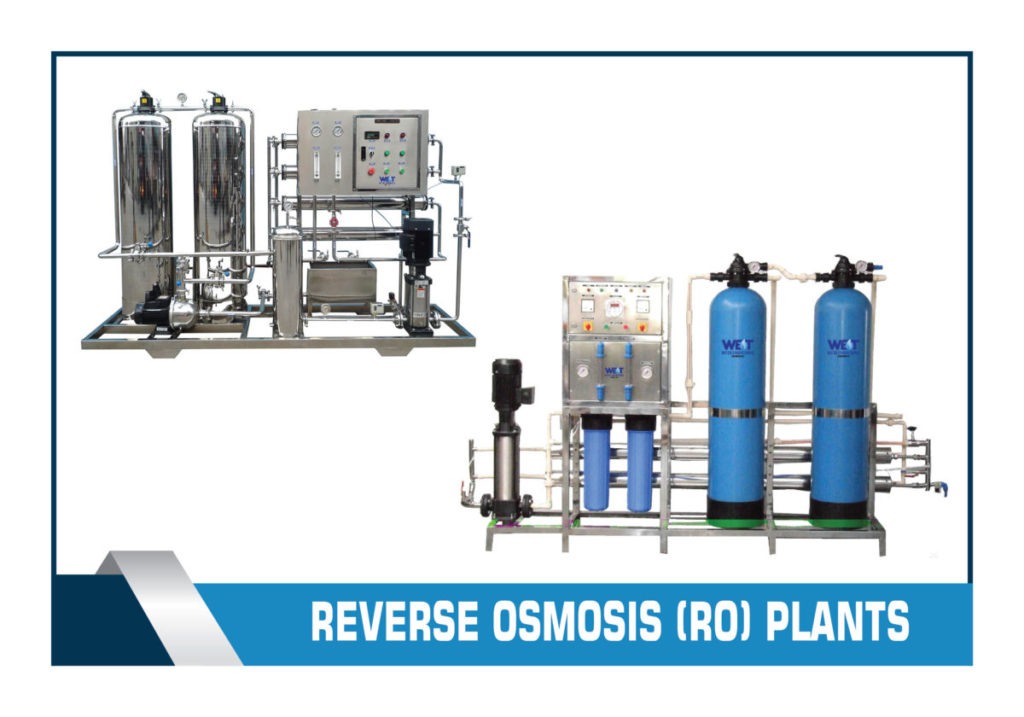
Micro Filtration and Ultra Filtration Membranes

The differences:

It all comes down to pore size. On the membrane separation scale, micro and ultrafiltration are coarser than nanofiltration and reverse osmosis, but are still finer than media filtration. Microfilter pores are within the range of 0.1 to 10 microns and ultrafiltration membrane pores within 0.01 to 0.1 microns. The method chosen for a treatment system is based on the size of the smallest particles that must be retained in the feed water. The difference in their pore size determines the applications for which ultrafiltration purification or microfiltration treatment process would be most applicable to be used for the specific application.It is also a part of an industrial Ro plant.

Removal:

Based on the pore size range of these two separation technologies, below is a list of some of the smallest pollutants that any technology is capable of removing or reducing raw water flows.

Microfiltration (MF):

  • seaweed
  • Bacterium
  • Pathogenic protozoa ( Giardia lamblia and Crypotosporidium)
  • Sediment (sand, clay, certain complex metals / particles)

Ultrafiltration:

All contaminants that MF can remove, plus:

  • endotoxins
  • Plastics
  • silica
  • Sludge
  • Viruses

Applications:

Both microfiltration and UF treatment are useful for water / wastewater treatment in a wide range of industrial and commercial environments. This includes the processing of many types of end products. Below are just a few of the many possible applications for each membrane filter process.

Microfiltration:

  • Cold sterilization of drinks and medicines
  • Separate bacteria from water
  • Clarification of fruit juices, wine or beer
  • Petroleum refining

Ultra filtration:

  • Lowering the sludge density index for reverse osmosis
  • Virus removal from water
  • Separation of oil / water emulsions
  • Remove pathogens from milk
  • Medical applications

For further information click here : Ro plant price in Pakistan
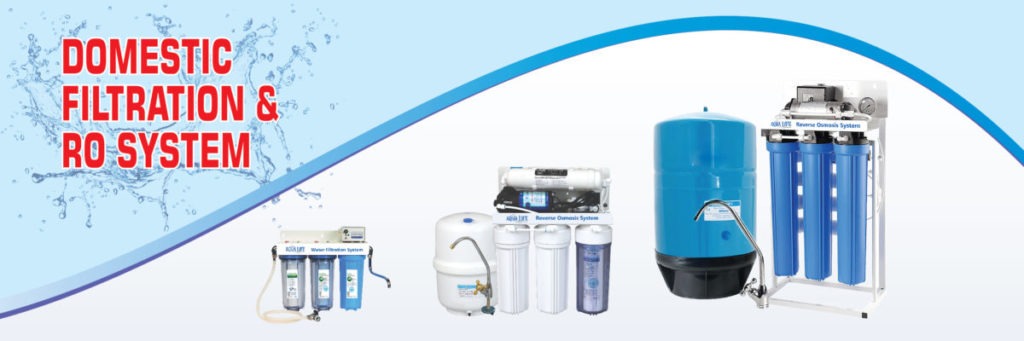
Difference Between UF and Micro-filtration

Anyone who has studied (and paid attention to) at least secondary biology is familiar with the concept of a membrane, in particular a semi-permeable membrane. Biological living cells are packed in semi-permeable membranes that keep their functions separate from the environment. The semi-permeable aspect only allows certain ions and organic molecules to enter or leave the cell. The membrane can be selective in a passive or active capacity. The UF purification and microfiltration processes use a semi-permeable membrane to separate micropollutants from a water stream. What is the difference between UF purification and microfiltration? We will first explain how semi-permeable membranes work. Below we will explain the differences between the UF and microfiltration membrane treatment processes for water and wastewater treatment.But both fitration systems are used in Industrial Ro plant.

How does a semi-permeable membrane work?:

One of the ways is via active transport across a membrane surface that takes place in different ways. Each of these transports requires the cell to use a certain amount of energy to do this. One way is via transport channels that respectively receive and expel nutrients and metabolic waste. Another is endocytosis in which the cell wall forms something like a pseudo-mouth, which wraps around an external object and then bursts into the cell like a vesicle. The opposite is exocytosis. Internal vesicles fuse with the membrane and its contents are excreted in the surrounding solution. Another way is through passive mechanisms known as diffusion and osmosis. Diffusion is the movement of ions and molecules from high concentration areas to low concentration areas to create a state of equilibrium on both sides of the membrane. While these ions are moving, they create an osmotic pressure difference. Osmosis works opposite diffusion and tries to create a balance by moving a solvent fluid (usually water) to the higher concentration area. The passive diffusion / osmosis process is a mechanism that can easily be replicated on a much larger scale. There are many potential applications for such technology, but in particular its usefulness in water and wastewater treatment. Micro and ultra filtration purification are two of such membrane technologies. They are very similar filtration / separation processes with a difference that each makes ideal for their own specific applications.

Fundamentally similar:

Microfiltration and UF purification are more similar than they differ. As mentioned in the introduction, they are both passive membrane-based separation technologies. These system processes work by applying differential pressure over a semi-permeable membrane and that pressure pushes water and small particles through the membrane pores, while larger solids are retained on the other side. Both of these processes also provide useful pre-treatment steps for reverse osmosis. Membranes need a lot of care, so they can last as long as possible without replacement. Filter pre-treatment reduces concentrations of larger solid particles and reduces the chance of membrane contamination.

The membranes for these microfiltration and UF purification systems are also available in the same configurations. Plate and frame, tubular, hollow fiber and spiral wound are possible options. These different configurations offer their own advantages and disadvantages. There are also different materials that the membranes can consist of, namely polymers and ceramics.

Similar benefits:

  • No chemicals
  • Constant product quality regardless of the feed quality
  • Compact
  • Comparable costs:
  • Equipment
  • tanks, pumps, skids, controls, etc.
  • Construction materials

Characterization of water:

What is in the water / waste water determines what must be done to treat it properly. More complex compositions or high concentrations of contaminants will require pre-treatment steps or more energy intensive processes or more resilient membranes to cope with these conditions. Low concentrations and simple contaminating compositions usually require less pre-treatment and therefore lower operational costs.

Flow rates:

  • Higher flow rates are associated with higher capital and operational costs
  • Schedule
  • Needed space
  • Installation
  • Pre-packaged versus non-assembled systems
  • Shipping costs
  • Operational costs

For further details click here : Ro plant price in Pakistan
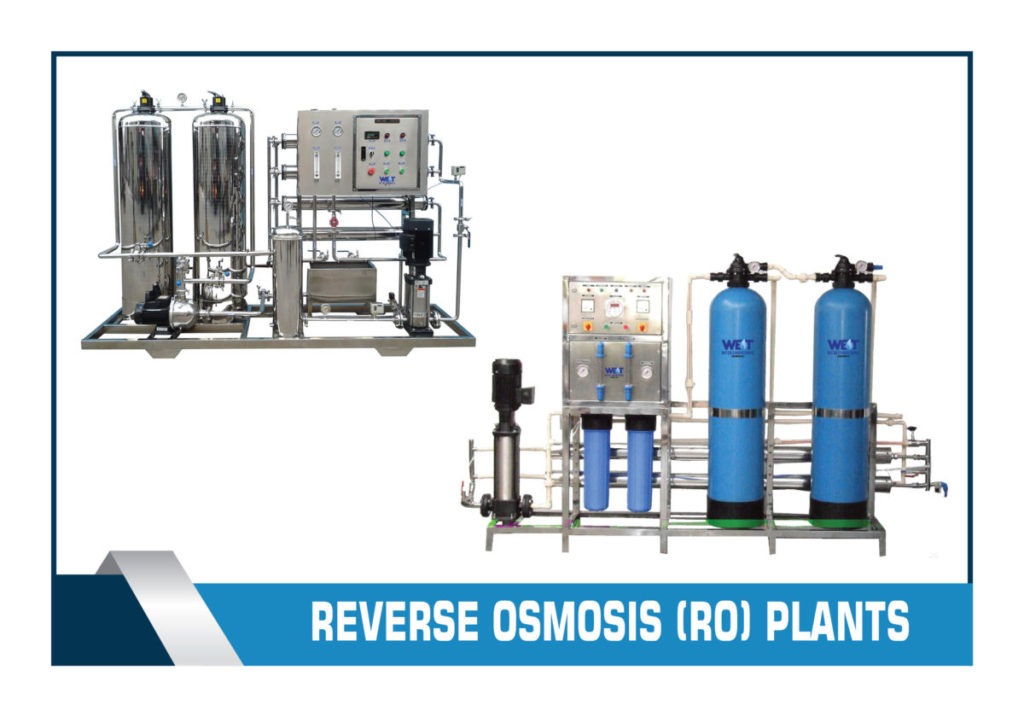
UF and Oil and Gas Company

In the oil and gas industry, water and wastewater treatment plays a role in drilling operations and in the refinery process. UF  industrial Ro plants are used in tertiary process applications in these industries to assist oil / gas managers and refineries in obtaining suitable water for reuse of produced water for fracking activities or sustainable discharge. Oil drilling is done both on and off the coast. The extraction process involves drilling a hole below the Earth’s surface (the seabed for offshore wells) in the oil reservoir zone of the Earth’s crust. Initially, the pressure built up in the oil reservoir is sufficient to naturally raise it for a while. This extracts up to 15% of the oil in the well. After this, the pressure below is no longer sufficient and therefore the pressure is induced by injecting liquids or gases to keep pressing the oil out of the wellhead. Up to 35 to 45% of the oil has now been recovered. Another 10 to 15% of the oil is extracted in a tertiary phase that uses steam to heat the oil and lower its viscosity, making it more mobile. Once the crude oil has been extracted from the earth, it must now be refined into the products that people can use. The science behind the refinery process is a bit complex, but it comes down to a multi-step distillation process. This process separates the oil into its component parts by heating it. Each different component has a different boiling point and they separate within the distillation column with the lowest boiling points at the top and the highest at the bottom. The components are pulled out of their layers and sent for further refinement. Both extraction and refining processes use water in some capacity. The waste water produced from refineries and the produced water from oil sources contains different levels of oils, fats, salts, heavy metals and hydrocarbons among other contaminants. Effective and sustainable treatment technologies are required when striving for water treatment to meet the requirements for discharges of environmental requirements or standards for the reuse of waste water. Specialized UF water treatment systems have many times proved to be a valuable tertiary process in oil and gas water treatment applications. In particular, there are two applications that these UF water systems use quite frequently: produced water treatment and refinery cooling tower, nutritional water treatment. I will discuss these applications in a moment. First, let’s identify and assess some of the common pollutants in produced water and waste water from refineries.

For further information click here : Ro plant price in Pakistan
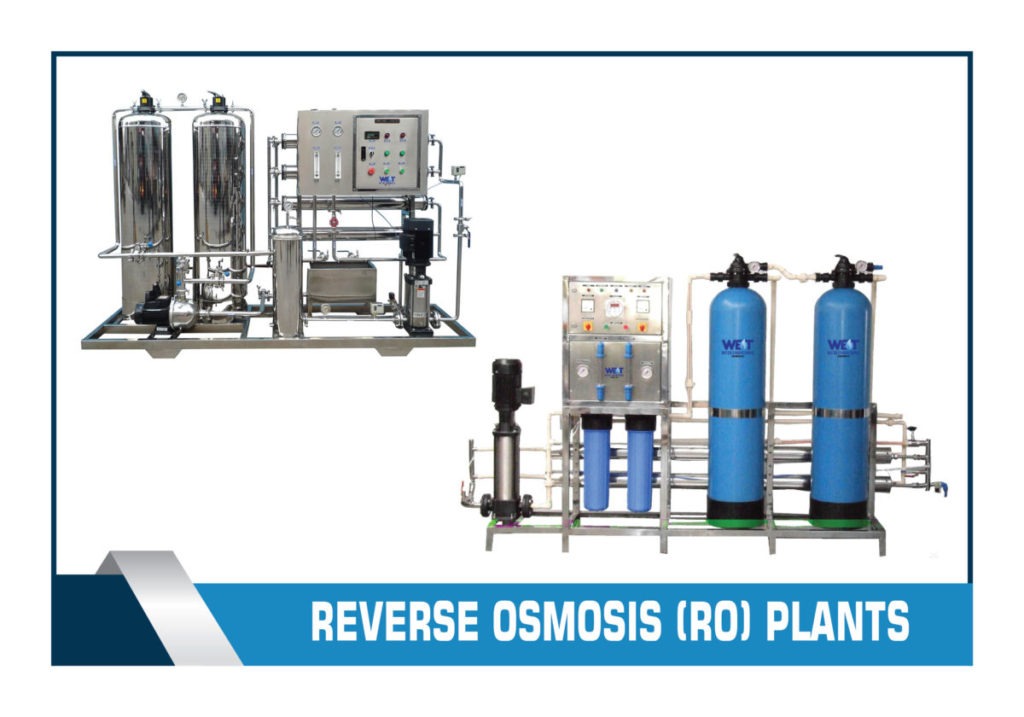
Refining Process of Water

Water treatment produced

As mentioned earlier, produced water is a product of drilling operations in oil wells. It usually picks up what was in the oil and the surrounding soil. The operators of these wells cannot simply dump the produced / backflow water anywhere, especially for offshore operations, because the pollutants can cause serious environmental damage. In onshore oil cracking activities, produced water cannot usually be sent through an injection well due to environmental regulations, it must usually be transported off-site or reused. Reusing produced water is much more economical for oil well managers because they can treat the produced water from multiple oil wells through a recycling operation to deliver treated water for their next fracking task. UF water treatment systems are typically used in the tertiary phase of a multi-stage treatment process to remove traces of suspended solids and oil / fat levels from the treated water to be available to treat the water needs of subsequent fracked oil wells.

Refinery cooling tower feed water treatment

Because refinery processes are related to heating, there are cooling towers to compensate for this. It is important for the proper and effective functioning of these towers that the feed water is free from debilitating contaminants such as lime deposits, corrosive chemicals, iron and organic substances. Treatment systems can use tertiary phase UF water processes to remove suspended matter / turbidity, trace oil / fat and color in the feed water. This reduces the chance of colloidal contamination in later process steps such as ion exchange or reverse osmosis. Due to the pre-treatment of cooling tower feed water, the system continues to operate at maximum efficiency for as long as possible. UF water systems in combination with technologies such as oil / water separation, centrifugal filtration, electro coagulation and clarification ensure that the treatment system continues to work in the same way.It similarly works like an industrial Ro plant The examples above are just two of different ways in which UF water treatment systems can be used as part of a treatment process to provide oil and gas companies with an effective and efficient water treatment solution that meets their needs.

First, let’s identify and assess some of the common pollutants in produced water and waste water from refineries.

Produced water contaminants:

  • Salts (chlorides)
  • Oil and fat
  • Naturally occurring radioactive material (NORM)
  • hydrocarbons
  • Micro-organisms, bacteria and viruses
  • Heavy metals
  • Organic ingredients
  • Corrosion inhibitors, scale inhibitors, emulsion crushers, etc.
  • Hardness
  • Sulfur and hydrogen sulfide

Refinery wastewater contaminants:

  • Free oil
  • Emulsified oil
  • TSS
  • BID
  • COD
  • sulfides
  • phenols
  • cyanides
  • ammonia
  • hydrocarbons

For further information click here : Ro plant price in Pakistan
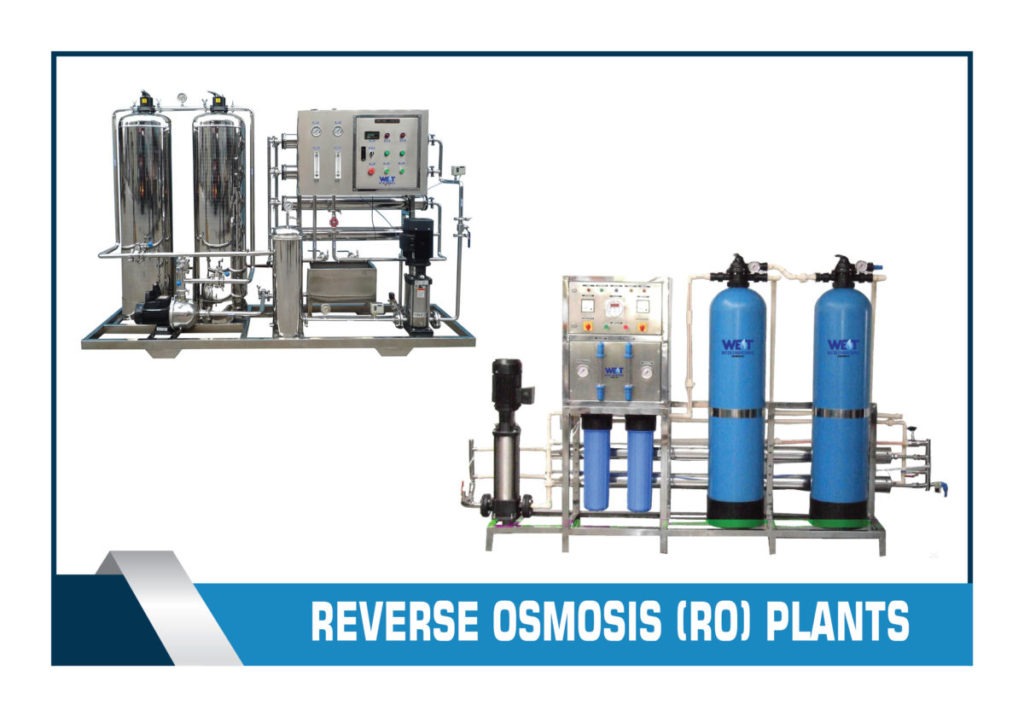
UV Filtration Designs and Features

You can list the components of a UV disinfection system on the one hand: UV lamps, reactor chamber sensors, electrical equipment, and control system. Chemical systems also need storage and dosing, and in some cases, namely for chlorination systems de-chlorination equipment. That’s why simple designs also mean easier operation for UV sterilizer systems and for industrial Ro plants. An easy-to-use system, fewer personnel for operation and maintenance and those personnel do not have to be highly qualified. Maintenance primarily involves cleaning contaminated lamp sleeves and replacing UV lamps as they pass their lifespan. This entire system is based on the properties of light radiation, and if there is one thing everyone knows about light; it’s fast. Even traveling through a medium such as water, it takes no time for the UV radiation to reach the target pathogens from the ultraviolet lamps if the water is properly pre-filtered. Chemical disinfectants need a few minutes to mix well in the solution to cover the full volume. For comparison, disinfection of equal amounts of contaminated water with the correct dose of chlorine can take up to 30 minutes to fully treat while a UV sterilizer can last less than 5 minutes. Process water must be available therefore for facilities that treat water present before production, reaction time can be critical to prevent production delays. A UV light sterilizer can significantly reduce disinfection treatment time to obtain treated water, which is ready for use in a few minutes. Water reuse is and remains one of the biggest considerations for companies around the world in the fight against water scarcity. By reusing process water, gray water and waste water, buildings and facilities will reduce their demand for raw water from surface and groundwater sources and reduce the associated costs for supplying raw water and treating raw water for use. One of the disinfection methods for treating this water is the use of a UV treatment for water reuse applications .

Reuse of water can be more difficult in certain applications, namely those that require water that is free of microbes such as bacteria. Treatment to such a level typically requires a tertiary treatment phase. This treatment would be performed by disinfection, essentially killing off all harmful pathogenic organisms by rupturing their cell wall or destroying proteins or mutating DNA to prevent them from functioning and reproducing properly.

Design features:

UV treatment systems are relatively simple – that is why they are so compact – and consist of only a few important components: lamps, an SS reaction vessel, sensors and a power supply module.

For further information click here : Ro plant price in Pakistan
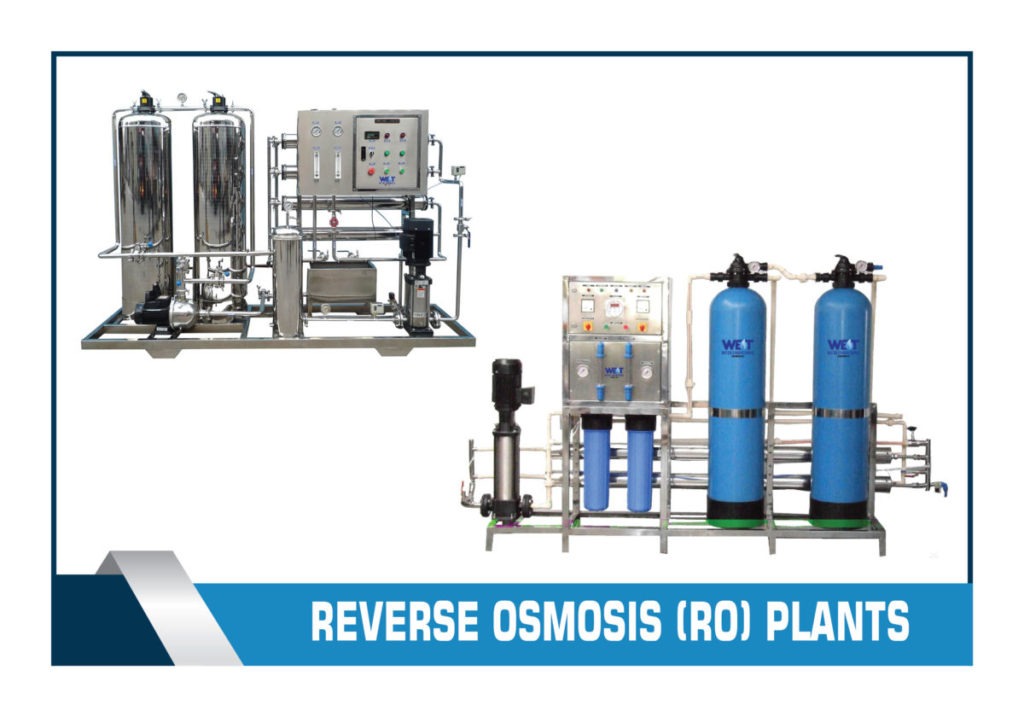
UV Filtration Process

Water is a substance that has a large number of unique properties in contrast to all other liquids in the world. It is certainly an essential part of the continued existence of organic life, but it is also extremely useful in industrial, municipal and commercial processes. Process water is an important part of water use in the commercial and industrial sector and can be used in large quantities depending on industry and location. Of course, the water used needs clean and clear to prevent any contamination of the product or the effects on the equipment. However, the quality of the water also vary from application to application. Water from natural sources, will contain levels of solutes and minerals, as well as organic matter and microorganisms, such as bacteria or protozoa. Because of the productivity and quality of the products, as well as the proper maintenance of process equipment, treatment water prior to its use is very beneficial, if not vital. One step in process water treatment is often disinfection, which leaves microbes presenting in the solution unable to reproduce. There are several chemical options for disinfection, however, ultraviolet technology can have a number of important cost benefits, on-site treatment systems.

Chemically Free Technology:

UV sterilizer technology is a completely chemical-free system. Chlorine disinfection systems are some of the most commonly used and known disinfection systems, but they have a few drawbacks with regard to the water purification process.This system is alike industrial Ro Plant  .Disinfectants are dangerous additives. To ensure the safety of each operator and other employees, measures must be taken to transport, store, and handle these additives. Some chemicals such as ozone and chlorine dioxide must be generated on site for use and may require additional equipment and power to do this. Other chemicals need proper storage tanks and distribution systems, plus any safety equipment and procedures for the organization staff. Chemical disinfectants also tend to disinfect by-products in the presence of organic substances in a water source that can be dangerous. Disinfection residues are good for water that goes through extensive distribution and storage to prevent further contamination, but process water can potentially have a negative impact on the product or processing equipment.UV sterilizer technology has none of these problems. There are no chemicals to store or generate, and because UV disinfection is a complete physical process, there are usually no by-products or residues to affect product quality or process systems when the water is used.

For further information click here : Ro plant price in Pakistan
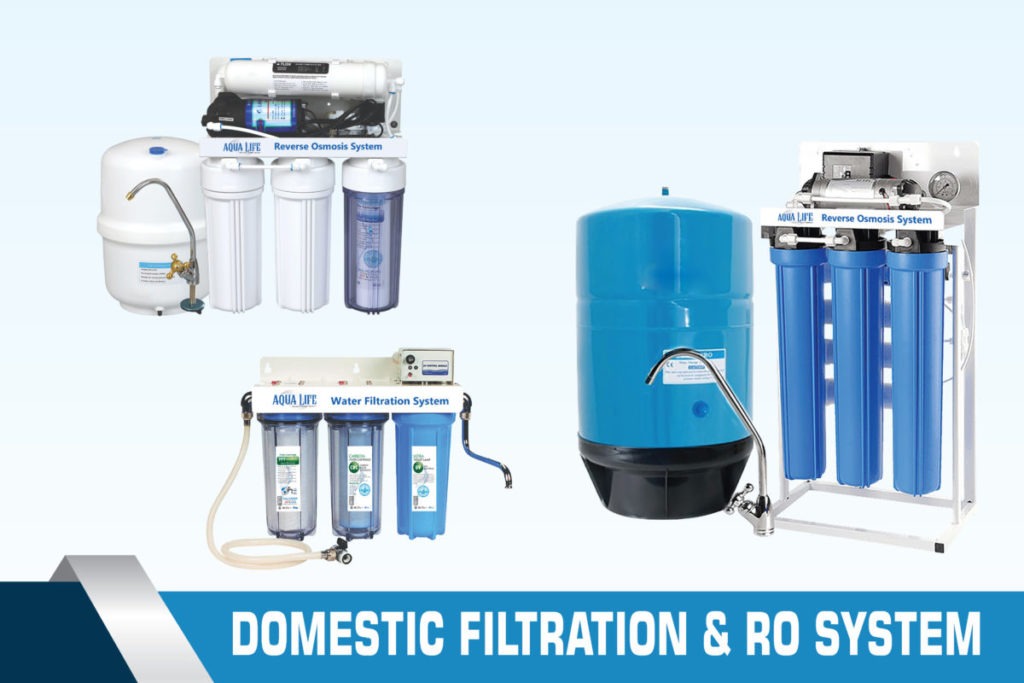
Water And Health

It is believed that water before and after a long load should not be drunk for at least an hour. In this article, we will look for the truth about the possibilities or prohibitions of drinking during training!Such a statement is very far from reality and can significantly harm health ! With active training, depending on the intensity, the loss of the body in water is up to 2 liters. With dehydration, the so-called dehydration, there is a violation of thermoregulation. The human body temperature rises increasing the risk of developing
diseases of the cardiovascular system. For a perfectly healthy person, such a “shake-up” is not particularly dangerous, but for children and the elderly it can bring significant trouble.

Maintaining an adequate  water balance during training is very important! We give scientific advice on water consumption  and about water filtration plant on the topic of water and sports :

  • before training, in 2-3 hours, you need to drink about 0.4 -0.6 ml of pure water or in the drink water
  • during training, depending on its intensity, every 10-20 minutes, 100-350 ml of water, which makes up for water loss;
  • after training, you need to drink up to 150% of total weight loss during training;
  • Please note that:
  • at  high air temperatures, the risk of dehydration increases;
  • at low humidity and being in hydrodevelopment normal heat exchange is disrupted.

All about mineral water:

If we compare the content of mineral water with fresh water, then it has a high amount of salts. Being natural or artificial, it can contain gases and organic substances in higher concentrations and have specific properties, such as containing biologically active components, high radioactivity, etc., which gives it certain healing properties. Mineral water has been used in the treatment and prevention of several millennia. Each mineral water is unique and affects the processes of the body in different ways, changing them. With the normal functioning of the human body, do not mix established equilibria. Violation of any processes, whether biochemistry and physiology, the body needs help. It is mineral water that has the most effective therapeutic effect, and restores the balance facilitates human suffering.
To achieve the highest treatment effect, it is advisable to use mineral water directly from the wells.
Mineral water poured into plastic bottles is widely used, for people being treated in a non-resort

For further details clcick here : Ro plant price in Pakistan
Silicon Water Treatment

Passion for silicon and infused water based on it began recently. Silicon is a black, light or dark gray mineral – quite often in nature. Although a person is well acquainted with him, scientific evidence of his healing properties could be brought only at the end of the 70s of the XX century. You should immediately decide on the names. Silicon is a chemical element, and flint is a mineral that contains silicon, more precisely it is silicon oxide, and this article has been written about it. Humanity got acquainted with flint a very long time ago, we can say that stone laid the foundation for all human civilizations. Throughout the Stone Age, a tool was made from it and for hunting, fire was fired using silicon. The healing properties of flint are mentioned in treatises of ancient philosophers. Flint was used to decorate the walls in the storages where the meat was located. It was used as a powder powder wound, which helped prevent gangrene. Silicon was used as a water filter for home or for industrial basis due to the fact that the inner surface of the well and the bottom were laid out by it, it was noticeable that such water became unusually transparent and diseases were less likely for people who consumed water from such wells. Flint-activated water melts in appearance and tastes good. Flint in water has a detrimental effect on microorganisms, suppresses bacteria causing rotting and fermentation, active precipitation in water occurs after joining with heavy metals. Such water can stand for a long time and does not deteriorate and will acquire many other healing qualities. Silicon is found in nature in the form of a frequently occurring mineral – quartz, chalcedony, opal, etc. This group of minerals includes: jasper, carnelian, agate, rock crystal, opal, amethyst, and quite a few other stones. On the basis of these minerals – silica (silicon dioxide) , but other properties like density and color. In addition to silica, the composition of flint includes up to 20 chemical elements, among them, except for silica, Mg, Ca, Mn, P, Sr, Zn, Cu, etc. This has led to so many names. Flint, the most famous among its representatives in its family , is indisputable Silicon is found in the human body in the thyroid gland, pituitary, and adrenal glands. Found its highest concentration in nails and hair. With meat, vegetables, milk, fruits, and other food products, a person should consume 10-20 mg of silicon daily , necessary for the normal functioning of the body, its growth and development. There are plants that can accumulate organic silicon – Jerusalem artichoke, olive, radish, blackcurrant, horsetail, oats and barley grain, sea buckthorn, cauliflower, turnip, salad, etc.in which the proportion of silicon from the dry content ranges from 1 to 8%. A large amount of silicon is found in cereals: barley, rice, millet, oats, soy, mainly in the seed coat, i.e. in bran. When grinding at the mill, the grains are freed from the shell, thereby losing silicon, thereby depreciating. In refined sugar, there is practically no silicon, and in unrefined yellow sugar there is silicon and this is a high value. A high content of silicon is found in horsetail – it is a widespread plant of the domestic flora, in folk medicine it is used more and more often recently. Burdock oil with horsetail extract – the composition of this medicine under the name (with ceramides) includes: organic compound with silicon, burdock oil extract, horsetail extract. 

For further information click here : Ro plant price in Pakistan

Design a site like this with WordPress.com
Get started