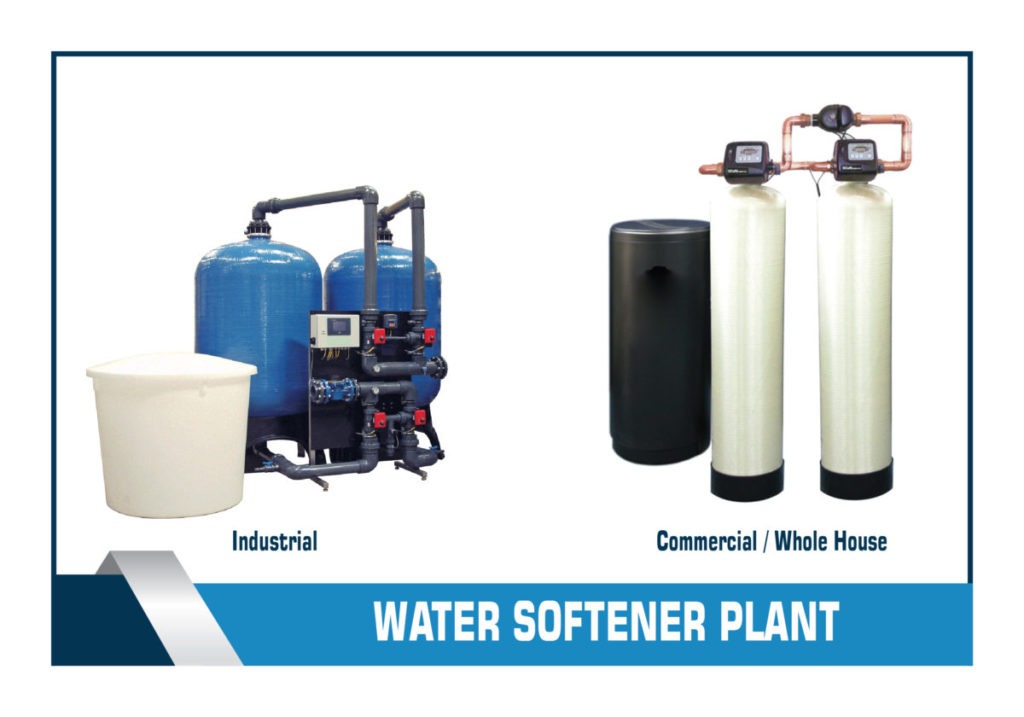
Types Of Water Softeners

WHAT CAN YOU USE TO SOFTEN YOUR WATER?

Now that we’ve explained why the use of shower head water filters is not a viable solution for getting soft water, let’s look at some of the water softener plants   are.

Reverse Osmosis Filtration Systems:

Reverse osmosis water filtration is also known as hyperfiltration, and it is one of the best water treatments available. Reverse osmosis filtration systems for households. This system gradually eliminates the particles in the water, and the end result is healthy and extremely clean tap water.

A reverse osmosis filtration system will push the water through multiple filter media until almost all elements present in the water are removed from it. You can say that this filtration system purifies the water at the molecular level.

The first line of defense that uses the RO system is a pre-filter. When the water passes through the pre-filter, all large particles that float through it are removed. These particles include, but are not limited to, salts, limescale, rust and sediment. At this point, most of the calcium and magnesium is removed, so that the water is softened. Some models even use an active carbon filter to remove the chlorine and other dissolved particles that may be present in the water.

The second filtration medium is the membrane. The membrane is covered with extremely small pores, and even the smallest impurities are removed at this point. In fact, the pores are so small that not much will go through except the hydrogen and oxygen molecules that form the water.

After passing through the membrane, the water reaches the final phase of the filtration. During this phase, the water passes through an active carbon filter that will eliminate the remaining organic compounds that can give the water a bad taste or odor.

Using a reverse osmosis filtration system is a great way to soften your water and make it healthier at the same time. This filtration technique will remove almost all contaminants in the water.

Advantages of using a reverse osmosis water filter:

  • Efficiently removes the calcium and magnesium ions that create the hard water
  • Removes bad smells and tastes
  • Removes pathogens and other harmful contaminants
  • Has a low maintenance
  • Does not take up too much space

Disadvantages of using a reverse osmosis water filter:

Is not good at removing dissolved chemicals in the water such as chlorine, weed killers, pesticides and other pharmaceutical products.

  • Can only stop chemicals if an active carbon filter is used.
  • Waste a lot of water. Some models will waste up to 5 gallons of water for every gallon they purify.
  • Removes all minerals in the water, including the healthy ones.

 For further information click here : Ro plant price in Pakistan
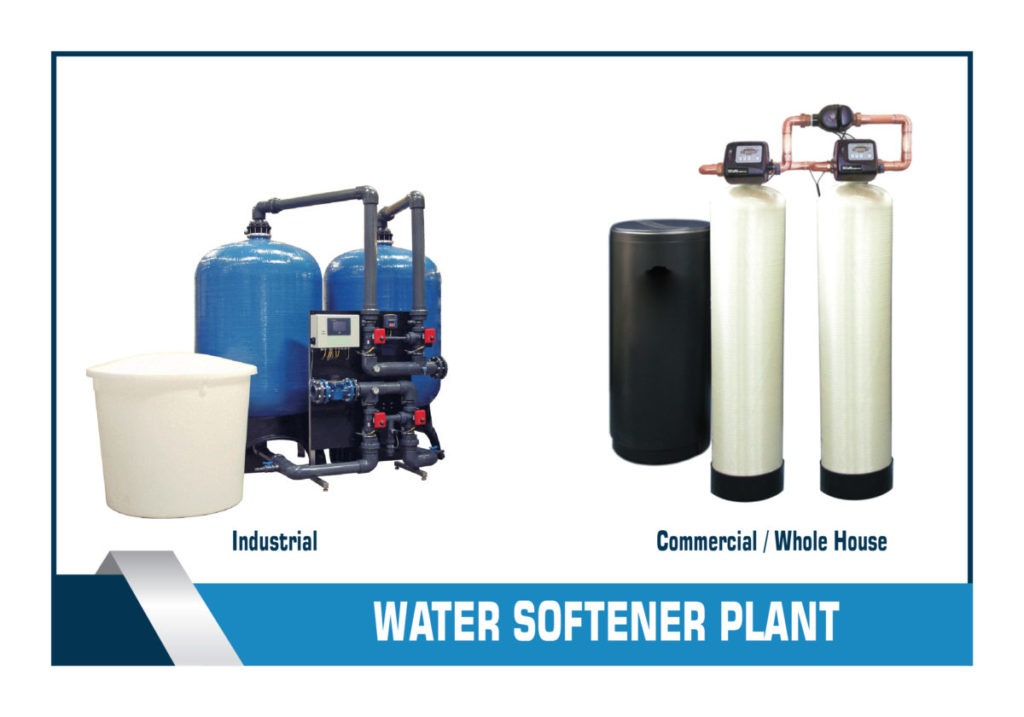
What is Water Softening

WHAT IS WATER SOFTENING AND HOW DOES IT WORK?

Hard water has a high mineral content and is especially rich in large amounts of calcium and magnesium carbonate, but also in ferrous iron. The problem with hard water is that the calcium and magnesium ions interact with the fatty acids in the soaps, forming a gelatinous curd. Because the soap is less efficient, you have to use more of it for washing. Not only will this curd make the soaps more inefficient, but it will also make your bathroom look unkempt. When the hard water splashes on the walls of your bathroom, some of the minerals will fall into the water, causing lime deposits. Part of the water pipes can also be blocked by limescale. Water softening is the process by which the calcium, magnesium and other metal cations in the water are removed. This is done by replacing the calcium and magnesium ions. This may seem complicated at first glance, but it really isn’t. The calcium and magnesium ions in the water therefore carry positive charges. The water softener pushes the water through a tank filled with negatively charged pearls. As the water passes through the tank, the positive calcium and magnesium ions will cling to the beads instead of floating through the water. But if the pearls kept the magnesium and calcium to themselves, we could use each water softener once. So instead of keeping them for themselves, the beads exchange them with similarly charged elements. And the chosen element is sodium. Sodium ions are positively charged. Although they are not as powerful as the calcium and magnesium ions, they can make up for it in large quantities. After the water has passed through the beads and the minerals have clung to the surface, the beads are rinsed with a strong brine solution. Each water softener has a separate brine tank that holds the brine solution. Here is a simplified version of how this works

  • The hard water ends up in the mineral tank
  • The magnesium and calcium ions stick to the beads and move the sodium ions
  • The sodium ions go into the water instead of the calcium and magnesium
  • The water softener starts its regeneration cycle
  • The water flow is reversed to clean the water tank
  • The brine solution ends up in the mineral reservoir
  • The sodium ions replace the magnesium and calcium ions on the beads
  • The calcium and magnesium ions are flushed down the drain
  • The mineral reservoir is rinsed with the brine solution
  • The brine tank is topped up

The process is now ready to start again

WHAT CAN YOU USE TO SOFTEN YOUR WATER?

Now that we’ve explained why the use of shower head water filters is not a viable solution for getting soft water, let’s look at some of the water softeners that are.

CONCLUSION:

As you could see, the water softener shower head that you bought was not the real deal. Even if the shower head seemed to work for a short time, it may not be functional in the long run because it has no means to charge its resin granules and cannot flush the calcium and magnesium ions into another drain.

Fortunately there are other water softener plants that you can use to ensure that you shower with the best possible water.

For further information click here : Ro plant price in Pakistan
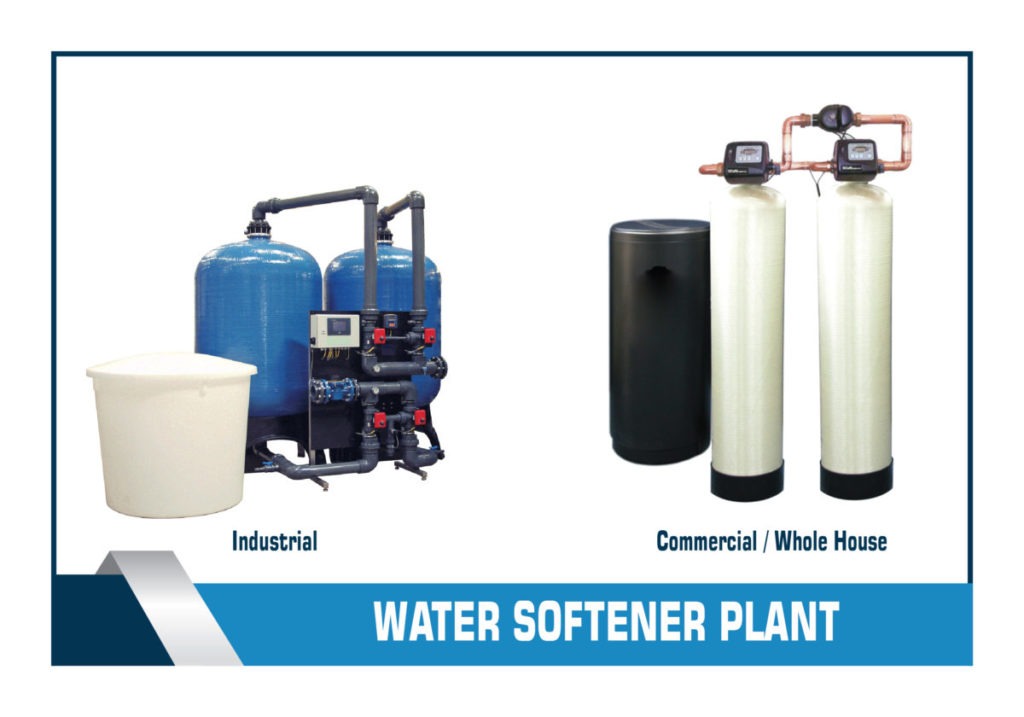
Water Softener Shower Heads

WATER SOFTENER SHOWER HEADS?

Using a softener shower head ought to create your skin and hair look higher, right? Why do not you notice a distinction once exploitation such a water softener? Well, the reality is, you have been song to. You were song to after you were told that a shower head may also work as a chemical. that’s merely uphill. In the following article we have a tendency to justify however water  softener plants  work and that we justify why a shower head cannot work as a softener, though it’s marketed per se.

In the second a part of the article we glance at a number of the water softening solutions that truly work and investigate the advantages of exploitation water whereas showering.

Are you searching for a reliable thanks to filter the shower water?

ARE softener SHOWER HEADS EFFICIENT?

No, softener shower heads cannot presumably work, and here’s why.

As you may see, water softening may be a terribly advanced natural action. and also the most significant a part of that natural action is that the natural action between the sodium-filled globules and also the metal and atomic number 12. while not this exchange, the method wouldn’t work. Now, this can be an easy chemical exchange, however there square measure several components that play a job. The beads should be loaded with metal to start with. they can’t do this unless the metal is continually regenerated. and also the metal will solely regenerate if the beads square measure immersed in an exceedingly sturdy brine resolution. Once far from the beads, the metal and atomic number 12 ions should be flushed in an exceedingly separate drain.

WHY cannot SHOWER HEADS SOFTEN arduous WATER?

Simply put, there’s not enough time to melt the water. Water softening may be a extended method. Here’s however economical water softeners fuck. Water softeners use Associate in Nursing automatic make system. Some models use a computer-controlled system that keeps track of what proportion water you utilize. once the system detects that enough water has responded to the mineral reservoir and also the beads square measure exhausted, it’ll mechanically initiate the regeneration procedure. throughout this sequence, some models can use a spare rosin tank to supply water. The models that don’t use a reserve rosin tank won’t manufacture water throughout now. Some water softeners use an electrical timer to flush and charge the beads consistent with an everyday schedule. The softeners don’t manufacture water throughout the regeneration method. And alternative systems use a mechanical meter to see what proportion water has responded to the system and to start out the regeneration procedure. These models might not be furnished with one, however with 2 mineral tanks, so they soften the water in the least times. As you’ll be able to see, each economical system goes through a regeneration cycle. though the shower head chemical were to figure within the starting, the beads they use would be charged with minerals in an exceedingly short time, and while not regeneration they might become unusable.

For additional info click here : Ro plant price in Pakistan
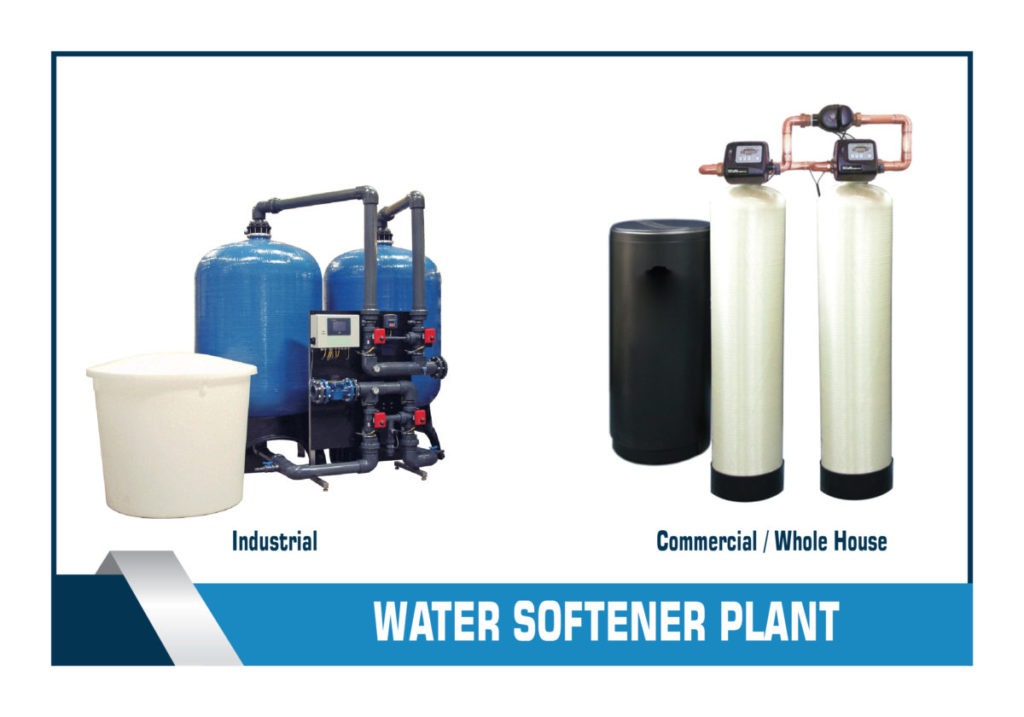
Hard Water VS Soft Water

HOW DO YOU DESCALE YOUR MACHINE?

We recommend that you descale your  machine every few months with normal use, but you may have to do this more often if your water has a high mineral content. Note: Be sure to collect the used descaling solution in a container, as the citric acid in the container can corrode metal parts

WATER SOFTENER SHOWER HEADS:

Using a water softener shower head should make your skin and hair look better, right? Why don’t you notice a difference after using such a water softener plant ? Well, the truth is, you’ve been lied to. You were lied to when you were told that a shower head can also work as a softener. That is simply not possible.

DO-IT-YOURSELF WATER FILTER SYSTEM:

A water filter serves as a physical barrier that prevents contamination and thus purifies the water. There are different types of filters that work without filter or with more particles than others, depending on the purpose of the filtered water. It can be used for watering agriculture, daily drinking water, public and private aquariums, or water for ponds and swimming pools. Many people are baffled about the differences between filters for water and water purifiers and about the differences between water filters and water softeners. However, it is likely that this is because some industries use these terms because they do not know how to distinguish them because of their similarities.

DISTILLED WATER COMPARED TO PURIFIED WATER:

There is a wide variety of ways to purify water. Some of these are ion exchange, distillation, reverse osmosis and more. The idea is that you remove or at least reduce the impurities in the liquid. And this is what purified water is – the quality of the water. To say that some water is filtered, it must have less than 10 PPM.

HARD WATER VS. SOFT WATER:

The water that we call ‘hard’ is actually water with a high mineral content. When water seeps through deposits of chalk and limestone that consist of magnesium carbonates and calcium, hard water is formed. Drinking such water can result in a moderate health benefit. However, when it comes to industrial environments, hard water can cause many critical problems. In such environments, the hardness of the water must be checked to prevent costly malfunctions in cooling towers, boilers, and other equipment that is somehow connected to water.
In domestic environments, many things can show that you have hard water. Formation of lime in boilers and water kettles, lack of foaming when using soap, etc. The process that is often used to reduce the negative effects of hard water is water softening. 

ACID WATER FACTS:

Acid water, also called electrolyzed water, is any water with a 7 or less on the scale of potential hydrogen (pH). The term Ph stands for the amount of hydrogen in the water. Its level is between 0 and 14, 7 serves as a line of neutrality, where the water is not acidic or alkaline; from 0 to 7 are the acid liquids; meanwhile, 7 to 14, which is the rest of the graph shows the alkalinity in things.

For further information click here: Ro plant price in Pakistan

Re agent for water Filtration Facilities

Biological product Bacti-Bio 9500 is a granular bacterial concentrate for the complete decomposition of organic substances and sediments. Sewer odor removal.
The biological product is based on enzymes, surfactants and highly active microorganisms that can decompose hydrocarbons, fats, proteins and carbohydrates (including starch and cellulose).
Purpose:
• in water filtration plants.
• in filtration fields and storage ponds
• in septic tanks, in cesspools
• in grease traps
• in communication networks
• wastewater treatment systems – septic tanks, sand traps, sewage tanks, sewage treatment plants, sewer networks and sanitary systems – sinks, toilets, commercial enterprises – restaurants, bistros, buffets, shops
Advantages:
• reduces the concentration of organic pollution (reduction of COD and BOD)
• removes unpleasant odors
• eliminates clogs in grease traps, maintaining them for a long time in working condition
• decomposes solid household waste, reducing the volume and facilitating their disposal
• reduces the need for frequent repairs and preventative operations
• Fast and deep removal of fats and other organic deposits from sewer networks and treatment facilities.
• Quick start of treatment facilities.
• Allows water filtration plant to work better and longer without maintenance.
• Keeps sewer networks clean.
• Long-term independent existence in cleaning systems.
• Selected strains are active producers of enzymes: amylases (starch decomposition), proteases (protein breakdown), cellulase (cellulose breakdown), keratinase (keratin breakdown), lipase (breakdown of oils and fats), etc.
Physical properties:
• appearance white powder
• concentration of microorganisms 2.109 CFU / g
Recommendations for use:
• Microorganisms may precipitate during delivery and storage. In view of the fact that this product is a concentrate, it must be thoroughly mixed before use. The dry microbes and enzymes contained in this product must be activated by the addition of warm water (30-38 ° C).
• DO NOT USE HOT WATER!
• Pour the mixture directly into the sewage stream where adequate mixing is achieved.
• The dose of the biological product Bacti-Bio 9500 (ratio 1: 100) 5-7 minutes. it is dissolved in a bucket of warm water (+30 ÷ 38 ° C) and aged 10-15 minutes. for
reactivation of bacteria. After that, the contents are poured into the processed system.
• Septic tanks, sand traps, tanks for precipitation. We recommend introducing the biological product more often or increasing the dose in case an unpleasant
odor appears or the precipitate does not decompose sufficiently.
o Introduction of the first dose: 50 g / m3 is applied directly to the container.
o Regular maintenance: 6 g per 1 m3 of septic chamber volume every two weeks.
Sewer networks:

in order to avoid clogging and unpleasant odors, it is necessary to introduce 1 dose (50 g) into the 3 drain holes of the sewer network. After a month, repeat the treatment. Further apply as the sewer pipes become clogged

For further information click here : Ro plant price in Pakistan
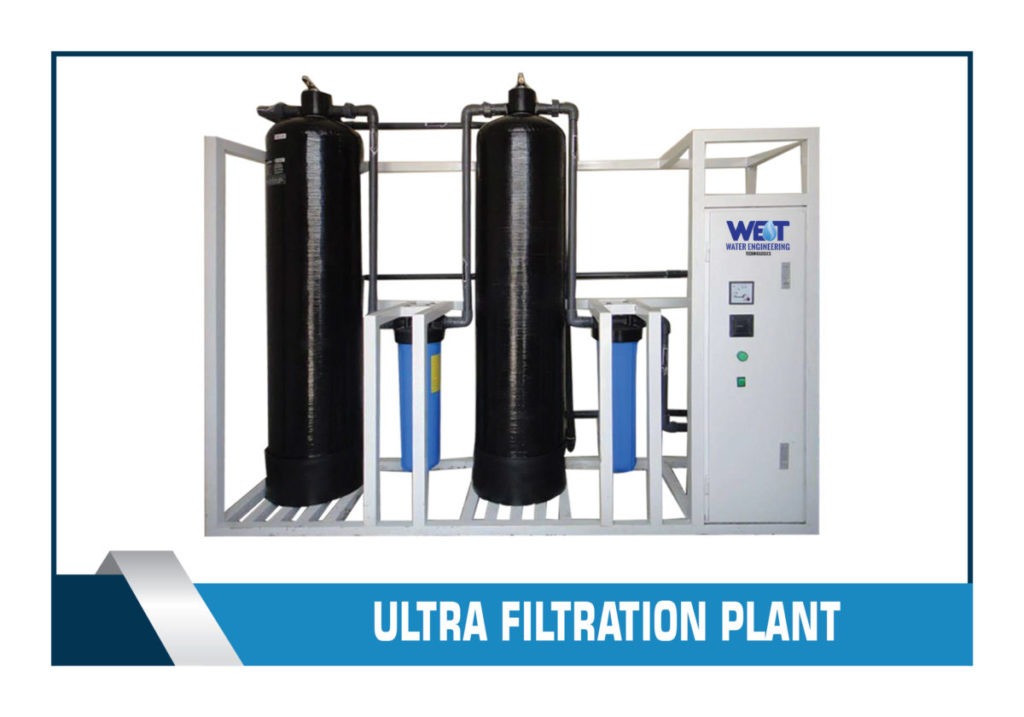
Underground water filtration

According to the norms, underground water filtration plants should be allocated from the house by at least 5 m, from the site boundaries by 15 m, from wells and bore holes by 25-200 m
To accelerate the process of decay of pollutants in the biological wastewater treatment plant, special preparations are used – bioactivators or bioreagents. They are mixtures of microorganisms and enzymes that are safe for human health and are sold in the form of powder and granules in jars (Septic system maintainer DWT-360, Tri Synergy, USA, price – 1030 rubles per jar, etc.) or in small packaging – in bags folded in a box (Atmosbio from Atmos, Bio7 Shock from AB7 Industry, France, price – 750-1250 rubles per package). A certain dose of such substances is periodically flushed into the toilet, from where they enter the autonomous sewage system. As a result, the decomposition of complex contaminants, including those with gray effluents (fats, paper, surfactants, etc.), is activated. The removed sludge forms more slowly. Consequently, and it’s less necessary to empty the installation, which is nice anyway. In addition, bioactivators are recommended to be used at system startup and after prolonged shutdown in order to accelerate the growth of bacteria and the growth of activated sludge. They will also help in emergency situations: with blockages and blockage of pipes, overflow of the sump, increased concentration of surfactants, etc. Sewer drains are collected in a special sealed container, but it is not always possible to pump out on time. Such a difficulty arises for residents of a summer house or a large house where rather big families live. What is the best way to do this? The optimal solution would be to use sewage treatment devices, which in their functionality are aimed at filtering wastewater in several stages to form the full safety of using industrial water. Special plastic water tanks after wastewater treatment are containers where all technical fluid accumulates after multi-level filtration. And therefore, it can be easily used for watering a garden, a garden or for fertilizing plants. Each use case has its own specific advantages, therefore, depending on the need, you can always choose a tank of the appropriate size. Please note that wastewater treatment systems are efficient and productive, as manufacturers have tried to put the best devices into the system to be able to reliably and competently carry out all the work. But remember that it is important to choose the right device, install it and carry out commissioning. From time to time there is also a need to carry out maintenance of the system in order to maintain its operability, the accuracy of the work and their needs. Special water filtration plants and tanks for industrial water is a new solution in the field of sewage, but it was able to gain popularity due to its quality, reliability and operational efficiency. But you can feel all the advantages only with the right choice of the system and its corresponding installation.

For further information click here : Ro plant price in Pakistan
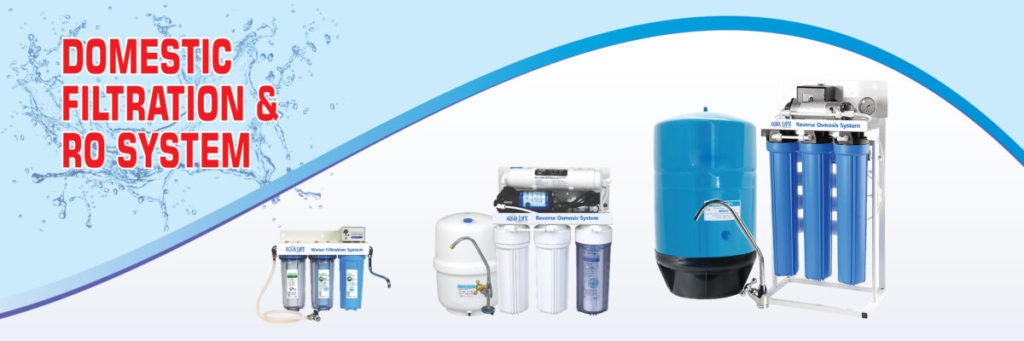
Local Waste Water Treatment

Recently, more and more Lahore residents prefer stuffy apartments to own their own house in the suburbs … however, with all the amenities. But, unfortunately, the townspeople, far from everywhere there is an opportunity to crash into a centralized or local sewage system. In this case, an autonomous system is the only way out. From time immemorial, septic tanks have been used for wastewater treatment by a water filtration plant. The principle of their work is that after the sump, waste water passes through a biofilter where aerobic bacteria live, due to which treatment is carried out. And after the clarified water is dumped on the ground, where it undergoes final purification. Depending on the hydrogeological situation, different options are possible here. If filtering soils (coarse or medium sand, sandy loam, peat, etc.) lie on the site, groundwater is absent or at a significant depth (at least 2.5 m from the surface), then the treated effluents can be drained onto the relief (through filter well). However, not all homeowners are so lucky. If clays and loams prevail, that is, soils with an extremely low filtration coefficient, then in this case the owners have to arrange filtering trenches or even filtering fields. If the hydrogeological conditions are not too severe, the final treatment of wastewater is usually carried out using a filtering trench 6-10 m long and about 1 m deep. It is located in a cuvette of the road running along the site. It is important to carry out the backfill correctly, which will play the role of a thin filter. A perforated drainage pipe wrapped in a geo-fabric is laid in a dug trench (it prevents siltation of the drainage). Then a mixture of coarse sand and gravel is covered. Then again lay the drains, which evenly distribute the drains. So that the water in the trench does not freeze, the filtering backfill is insulated (with expanded clay, mineral wool plates, extruded polystyrene foam, etc.). The costs of the filter “ditch” vary in the range of 6.8-20 thousand rubles. In their structure, the filtration fields are similar to trenches. But in order to “sow” a whole field with drainage pipes, sand and gravel, it is necessary to dig a relatively small, but pit, of a sufficiently large area (it is determined by calculation). Not every landowner is capable of deciding on this. By the way, the issue price is 80 thousand rubles. and more. The biological water filtration plant(biofilter) is a device for treating wastewater by means of a biofilm from bacteria (biocenosis), the vital activity of which proceeds on a special polymer loading material, mesh or porous. A biofilm traps, decomposes and oxidizes organic formations. A filter for additional sewage treatment may also be used.

For further information click here : Ro plant price in Pakistan

Purpose of Reverse Osmosis Membrane

REVERSE OSMOSIS MEMBRANES AND MEMBRANE ELEMENTS

PURPOSE OF REVERSE OSMOSIS MEMBRANES

Reverse osmosis membranes  are used as the main filtering replacement element in water filters, which are based on reverse osmosis . This purification method is the most advanced, environmental and economically promising for water purification from all kinds of contaminants.

The first  membrane element was  developed in parallel by scientists from several countries more than 30 years ago. The starting point for the start of research was the accumulated knowledge about the cell of a living organism, which can let in nutrients, but delay the passage of harmful substances at the same time. This phenomenon is called osmosis. Then the scientists decided to come up with a material that can, under pressure, separate contaminated water into clean (permeate) and dirty (concentrate) water. The technology of reverse osmosis water treatment is being improved every year – there are new super-selective and productive membrane elements to reverse osmosis   resistant to chemical attack and other contaminants.

Any  reverse osmosis membrane , regardless of purpose, manufacturer and performance, has 2 main elements:

Membrane sheet through which water molecules are pressed under pressure.

A permeate tube for draining purified water into which purified water enters through perforated holes.

REVERSE OSMOSIS MEMBRANE CLASSIFICATION

There are several ways to classify reverse osmosis membranes:

  • By appointment. Reverse osmosis membranes are divided into commercial and domestic. Commercial ones are used in enterprises known as industrial Ro plant to produce excess pure water, and domestic ones are used in home reverse osmosis filters .
  • By working pressure. There are high pressure membranes and low pressure membranes.
  • By landing size: 1812 , 2012 , 2812 , 3012 , 3020 , 2521 , 2540 , 4021 , 4040 , 8040 , where the first 2 digits determine the diameter of the membrane, multiplied by 10, and the second 2 digits – the length of the membrane. Both values ​​are expressed in inches.
  • By salinity of water. Reverse osmosis membranes for sea water and for fresh water.
  • By performance. This classification is used mainly for household reverse osmosis membranes, since with the same geometric size, membranes can have different capacities – 36 GPD , 50 GPD , 75 GPD , 100 GPD , 125 GPD .

HOW TO CHOOSE AND BUY A REVERSE OSMOSIS MEMBRANE?

A variety of produced reverse osmosis membranes allows their use in various methods of water treatment. Membranes having a selectivity of more than 99% are used to completely demineralize water. With their help, it is possible to reduce the salinity of the purified water by more than 100 times.

In low pressure membranes, selectivity is less, and the outlet water contains more trace elements. Such membranes are used to produce high-quality drinking water in the food industry and in industry it is known as industrial Ro plant. Dow Chemical from the United States produces reverse osmosis membranes that are suitable for most domestic and international reverse osmosis water treatment systems. The reverse osmosis membrane  allows you to get up to 15 liters of purified water per hour at an operating pressure of up to 6 atmospheres. The service life of the reverse osmosis membrane Filmtec 1812-50 is calculated up to 3 years or 8000 liters per family of three people living in a city apartment. Membrane  with a capacity of up to 135 l / day has a filtration efficiency of more than 98%. The quality control of reverse osmosis membrane elements is carried out visually and using vacuum control, and performance and selectivity are also checked. This ensures exact compliance with the specifications of all manufactured reverse osmosis elements of  . When processing reverse osmosis elements , chlorine and other oxidizing agents are not used. This affects the increase in the duration and stability of the membrane elements of reverse osmosis and increase their reliability. The membranes have increased resistance to biocontamination and can operate at lower operating pressures.

For further information click here : Ro plant price in Pakistan

Benefits and Myths about Ro systems

The benefits of reverse osmosis:

Headings of the articles “harm or benefit of reverse osmosis” are often striking. In our opinion, it is obvious that drinking chlorinated, ferrous, hard water is harmful for both people and pets. There is no doubt the benefits of drinking pure water, both in terms of health and aesthetics. After all, it is very pleasant when tea is not covered with a film after it has cooled down, and scale does not form in the teapot. So why do people ask this question from time to time to the Internet? Once and for all dispel these myths. Industrial Ro plant is necessary for desalination.

MYTH number 1. All nutrients from the water are filtered out, as a result, the body suffers from a lack of salts and minerals:

There is a belief that drinking distilled water is harmful to health, Yes, it is harmful if you do not drink or eat anything else. However, it is very difficult to imagine such a degenerate situation, because after 20, at most 50 days, a person will die of hunger. In ordinary life, you make tea, coffee, salt and pepper food, eat ready-made juices, fruits, vegetables. Not to mention chips and fast food. A sufficient, if not excessive, amount of salts and minerals from food enters your body. However, we all know that sometimes it’s even harder to deal with human errors than with windmills, so manufacturers of industrial Ro plant  simply added a mineralizer cartridge after the reverse osmosis membrane.

An interesting fact is that reverse osmosis systems are used in submarines and ships of the navy. According to the assurances of military doctors, such water does not affect the health and general condition of personnel.

MYTH number 2. Reverse osmosis water leaches beneficial substances from the human body:

We hope you started reading our article first, so remember what direct or natural osmosis is. The cell takes all the healthy salts and minerals out of the water. Water as a courier is just a delivery system. The process does not go in the opposite direction. Believing in such a myth is akin to the belief that a pizza delivery man, having given you an order, will suddenly take out all the contents of your refrigerator.

MYTH number 3. Reverse osmosis water – goodbye teeth:

Here is a truly excellent find of counterfeiters. Nobody wants to lose their teeth, and even many dentists are afraid of fire, so such a “duck” can turn many away from osmosis. However, of course, this is not true. Calcium enters the body with food, and not with water (the daily norm of calcium is contained in 10 liters of water), and water cannot wash calcium out of teeth.

An interesting fact in the early 90s. in Zelenograd, a satellite of Moscow, the quality of teeth in schoolchildren deteriorated sharply. Doctors turned to parents with a recommendation to abandon the popular and popular at that time toothpastes “with fluoride for tooth strength.” This was due to the excess fluoride content in tap water, which, coupled with toothpaste, contributed to the destruction of teeth, not their strength. Therefore, water containing excess impurities is more likely to destroy your teeth than absolutely pure neutral water.

MYTH No. 4. She’s definitely not tasty:

As you know the taste and color of all the markers are different. A person needs 3 days to get used to looking upside down, so the taste of water is just a habit. However, it is an indisputable fact that bad water spoils the appearance and taste of products. Reverse osmosis purified water will help you discover the true taste of your favorite foods.

For further information click here : Ro plant price in Pakistan

Reverse Osmosis System Purification Concepts

Reverse osmosis, water passes through a semipermeable membrane from a more concentrated solution to a less concentrated one under the influence of a pressure exceeding the difference in the osmotic pressures of both solutions. The membrane works to let water molecules pass through, but the main task is to prevent substances and impurities dissolved in it. Reverse osmosis is widely used in various technologies for purifying water from impurities and substances, including for desalination of water and purification of drinking water. In the process of water purification, many impurities and substances dissolved in it are retained on the filter membrane. To overcome the osmotic pressure on the membrane, water is supplied under a pressure of at least 3 and up to 17 atm. In  industrial Ro plant , synthetic semi-permeable membranes of various models Filmtec 50G, Filmtec 75G, Filmtec 100G, Vontron 300G, Vontron 400G are often used.  Retains high molecular weight pollutants, but passes low molecular weight substances, such as gases, such as oxygen, chlorine, carbon dioxide, etc. Some of the gases can affect the taste of water. A semi-permeable reverse osmosis membrane is a key element in a industrial Ro plant . The source water is supplied to the membrane, which has been preliminarily prepared by the lower stages of the reverse osmosis system, followed by separation into two streams, purified and desalted, called permeate, and water containing concentrated impurities, called a concentrate, which is drained into the sewer. The strengths of filters, where reverse osmosis technology is used, is virtually complete sterilization, distillation of the water leaving the system. Water molecules pass through the installation – 0.3 nm in size, but most of the chemical impurities of biological origin , and more specifically  microorganisms and viruses  (from 20 to 500 nm) , are also retained and removed  . The need to actually completely purify water from impurities is certainly an advantage, but this is also a drawback. As of 2013, scientists do not confirm the harm of water obtained using reverse osmosis technology. For those who are concerned about this issue, reverse osmosis systems with a mineralizer and a structurizer are produced.

Reverse osmosis membrane – how does it work?

The answer to this question is incredibly difficult to find on the Internet. This is due to the fact that the authors of the articles are weak in physics and chemistry and rewrite the same stupidity one after another, further confusing the layman. Let’s figure out how, after all, is water transported through a semipermeable membrane? The initially proposed explanation, later recognized as erroneous , but so beloved by the masses because of the simplicity of the explanation – the “sieve” model – is that water molecules are separated from the solution due to their small size. In practice, even ordinary salt molecules (sodium ions and chloride ion) are comparable in size to water molecules, and some pollutants are also smaller, which eliminates the possibility of such a principle of operation In fact, the membrane conducts through itself only water molecules on a principle reminiscent of the movement of an electric current. It is based on the principle of capillary-filtration selective permeability. A membrane made of a special material is capable of forming hydrogen bonds with water. A film of bound water adheres to the inner and outer sides of the membrane and fills all the pores of the membrane. Bound water is significantly different in physical properties from water in a free state formed by a network of directed hydrogen intermolecular bonds. Only a water molecule can penetrate and pass through the membrane into a layer of bound water. This is the principle and it has nothing to do with the notorious sieve. If you still have questions, we recommend watching a fun and entertaining video about the membrane device.

Reverse Osmosis Filter – Saving for the Home:

Let’s talk about reverse osmosis water filters. In regions with poor tap water (and this is practically the whole ofPakistan , with the exception of cities with a population of over one million) – this is the only budget way to provide households with clean drinking water.

For further information click here : Ro plant price in Pakistan
Design a site like this with WordPress.com
Get started