Disinfection of water using ultraviolet radiation

One such method is the disinfection of water using ultraviolet radiation. Today it is one of the most effective and environmentally friendly methods of combating various microorganisms present in water, air and on various surfaces. This physical method, used for many years, is not only highly effective, but also has no negative effect on the chemical composition of purified water. Until recently, the widespread use of UV was significantly hampered by the high cost and energy costs of the method, today a large assortment of lamps of different capacities allows it to be used in a wide variety of areas of disinfection. For household water treatment, UV lamps are simply ideal. Compact and ergonomic, they are easy to install as part of a cleaning system,

In high-performance water treatment systems, UV lamps are most often installed after a charcoal filter before a household reverse osmosis installation and water drainage for household needs .Given the high tendency of carbon filters to microbiological contamination, this UV lamp placement prevents the following possible problems: biological fouling of heating elements of household equipment (boilers, boilers) and a decrease in the efficiency of their work. Very often, during the operation of boilers, water acquires an unpleasant smell of hydrogen sulfide over time, which is also caused by the multiplication of microorganisms in the boiler.

  • biofouling of reverse osmosis membranes, reduced productivity and cleaning quality
  • the possibility of pathogens entering the human body when bathing.

In addition, to prevent the possibility of water pollution after the storage tank, a UV lamp is also recommended to be installed on the supplay line of purified drinking water.

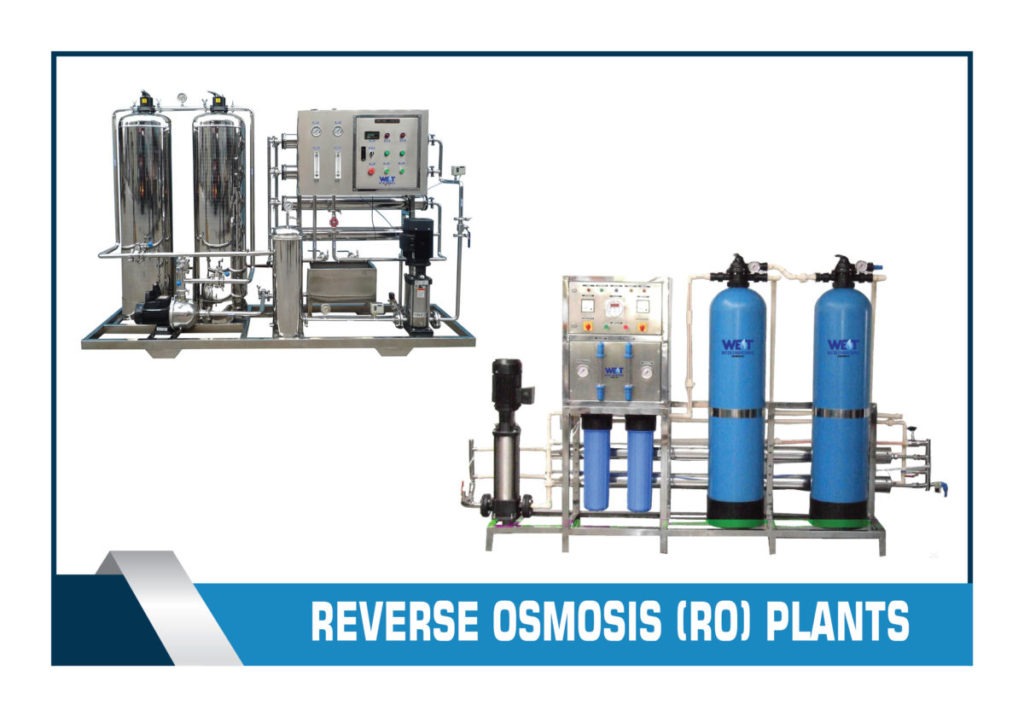
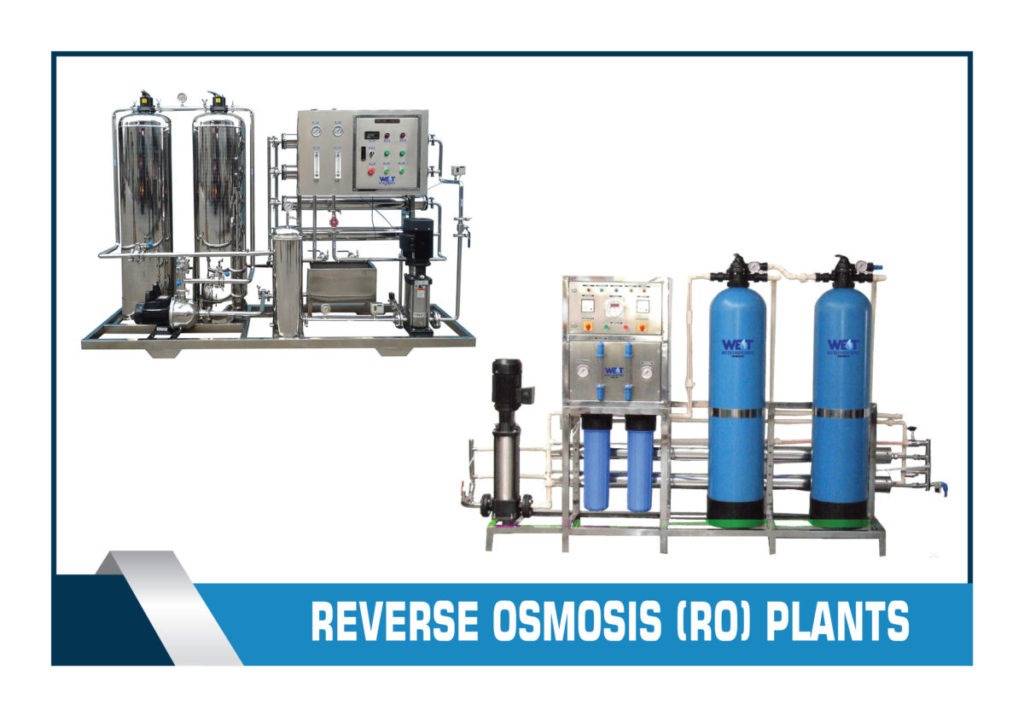
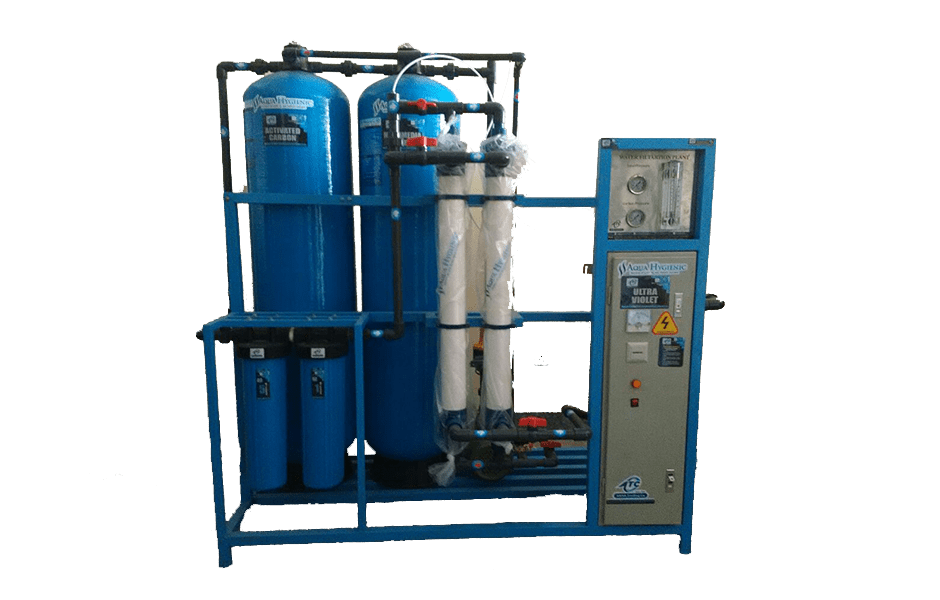
Another physical method of water disinfection that can be used in local water treatment is ultrafiltration and industrial Ro plant . The essence of disinfection using ultrafiltration or industrial Ro plant is that when water passes through a semipermeable membrane with a small pore size, various impurities are retained: colloids, organic substances, algae and most microorganisms (bacteria and viruses). Typically, most recently, this method was mainly used to remove colloidal impurities and suspended solids on an industrial scale. Now, interest in its use for the removal of microorganisms has increased significantly, in particular in conditions of domestic water treatment.

For more details click here: Ro plant price in Pakistan
Disinfection of Water

There is a possibility that after some time the coal will nevertheless be “washed away” from microbiological contamination, but it is best to replace the cartridge with a new one immediately after prolonged non-use of the filter.

Another source of microbiological contamination of water may be storage tanks for its storage. In essence, the problem is similar to the previous one: with prolonged storage of water in a tank, even with a minimum initial number of microorganisms, they multiply, develop, and the storage tank becomes a constant source of infection of purified water. In the local water treatment scheme, these are most often tanks for the accumulation of water after reverse osmosis plants. And if the industrial Ro plant membrane is indeed an absolute barrier to all impurities of water, including microorganisms, then there is no absolute confidence in the sterility of the tank. Various microorganisms may be present in the tank initially or get into it already at the installation stage. To prevent or solve this problem, manufacturers recommend periodically treating the storage tanks with bactericidal preparations, for example, sodium hypochlorite solution. However, to fully guarantee their own safety, water after the tank is also better to disinfect.

What methods and methods of disinfecting water can be used in everyday life? Of the most common, the following are distinguished:

  • boiling
  • UV disinfection
  • Ultrafiltration or industrial Ro plant
  • the use of filter materials with bactericidal properties.

Boiling is one of the easiest, most affordable and quite effective ways to disinfect water. This method allows not only eliminating the majority of microorganisms, including pathogens, but also getting rid of the unpleasant odor of water caused, including by residual chlorine. At the same time, it is inconvenient to constantly boil drinking water, in addition, boiling has other disadvantages:

  • residual chlorine present in water can form even more dangerous by-products when heated;
  • some bacteria are quite resistant to thermal effects and die after a long time – up to several hours of continuous boiling.
  • Thus, boiling can provide a high degree of disinfection of water, but for a complex and longer effect, it is desirable to use additional methods of disinfection.

Read this : Ro plant price in Pakistan

WATER DISINFECTION IN THE CONDITIONS OF LOCAL WATER TREATMENT:

WATER DISINFECTION IN THE CONDITIONS OF LOCAL WATER TREATMENT:

 Based on the foregoing, we can distinguish two main tasks of local water treatment:

  • The first is the purification of tap water from residual chlorine and possible disinfection by-products
  • the second is the purification and disinfection of water from wells and other sources of decentralized water supply.

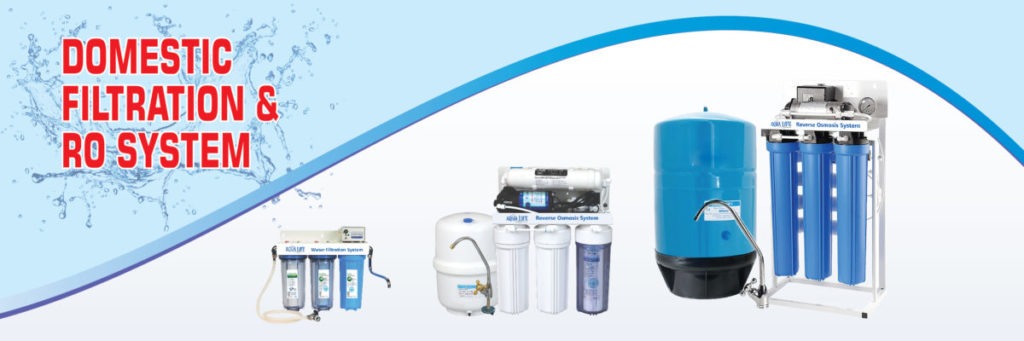
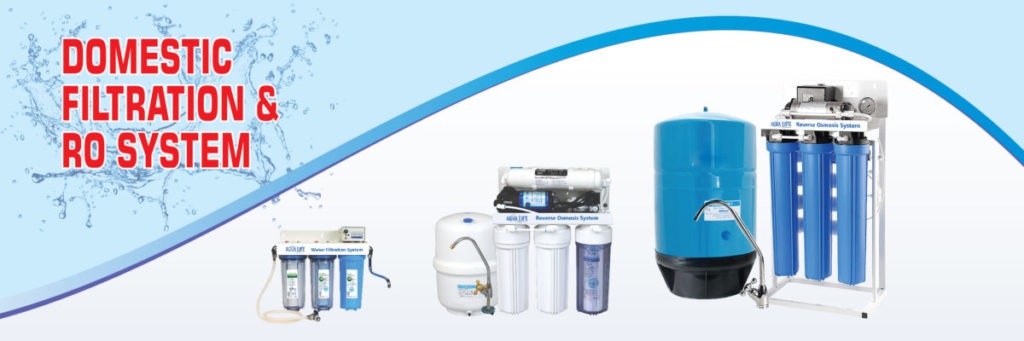
To date, the most effective and optimal way to solve the first problem is to use filters containing activated carbon e.g some industrial Ro plant do so . The high sorption ability of coal and its large specific surface make it possible to remove not only chlorine-containing substances, but also natural organic compounds. For the purification of tap water, you can use filter jugs, flow filters of various modifications and the most effective cleaning option – household reverse osmosis systems and industrial Ro plant for industry . All of these solutions at one stage or another of the purification stage contain activated carbon (in the case of reverse osmosis, carbon is used as a pre-treatment) and completely cope with the task of removing residual chlorine and chlorination by-products, which we wrote about more than once on the pages of the military and military aviation. The solution to the second problem is more complex. So, in most cases, microbiological contamination of water for wells is not characteristic. This is due to the fact that groundwater lies at a considerable depth and various soil layers (sand, limestone, gravel) serve as a kind of barrier that inhibits microorganisms. At the same time, small bacteria and viruses are still able to penetrate to a considerable depth and infect underground aquifers over time. In addition, there is the possibility of contamination of well water during the installation of pumping and water purification equipment. But this is far from the biggest problem, because it can easily be solved by disinfecting the well with sodium hypochlorite solution or granular calcium hypochlorite (the procedure is recommended to be performed at least twice a year). So, in many schemes of local water purification from a well and after-treatment of tap water, activated carbon is used to eliminate the undesirable aftertaste and smell of water (see above). Most often it is bituminous, coal from coconut shell or a combination of them, which allows very efficient to remove both large and small impurities of water. The most common and often used are cartridges containing granular, powder or pressed activated carbon (the so-called carbon blocks). In addition, cartridge manufacturers add special substances to activated carbon or make mixtures of several types of charges to give additional properties to the adsorption material. For example, silver, as well as other bacteriostatic materials, are added to coal to prevent the proliferation of bacteria (see. “Pitcher Filter Championship”, Aviation and Military Transport Vehicle No 4, 2012). Despite the importance and necessity of this stage, often carbon filters are the main source of microbiological contamination of already purified water. What is the problem? In the process of filtering on coal, various organic impurities are retained, as well as microorganisms, albeit in small quantities, but always present in purified water. With the continuous operation of the cleaning system, a constant flow of water prevents the microorganisms from solidifying onto the surface of the coal, so no problems at first. If the system does not work for some time (during the weekend or vacation), entrenched microorganisms acquire all the conditions for active life. Normal room temperature water and a nutrient substrate (organic substances adsorbed on coal) significantly accelerate the processes of reproduction and development of microorganisms. A biological film is formed on the surface of the coal, which, after the system is restarted, is periodically broken by the water flow and pollutes it.

For further information click here: Ro plant price in Pakistan
The eternal battle for water safety:

The eternal battle for water safety:

 “Infectious diseases caused by pathogenic bacteria, viruses and parasites (such as protozoal and helminths) represent the most common and widespread health risk associated with drinking water”so a water filtration plant is required

World Health Organization (WHO). “Guidelines for ensuring the quality of drinking water”

Water is truly a source of life for all living things. However, most consumers perceive this statement from a subjective point of view, without thinking that the same water is an excellent habitat for living, but not always safe, microbes. Today, there are a number of harmful (pathogenic) microorganisms, the presence of which in water, according to the WHO, is not allowed. Of the most famous, the following can be distinguished:

  • bacteria (cholera vibrio, salmonella, Pseudomonas aeruginosa)
  • viruses (hepatitis A, B, E; adenovirus)
  • protozoa (cryptosporidia)

Fortunately, modern technologies for the disinfection of drinking water can reliably protect consumers from all this “micro-artillery”, the main thing is to know how to use them correctly.

  • The fact that water must be disinfected, our ancestors knew many centuries ago. In the ancient civilizations of Egypt, Greece, Persia, drinking water was boiled and stored in silver vessels before drinking. An amazing fact, because microscopes appeared many centuries later, and various types of microorganisms and their effect on human health have been studied relatively recently. No less surprising and even inexplicable fact remains that the mass epidemics of antiquity do not stop even in the conditions of modern scientific and technological progress. Such echoes of the distant past as plague and cholera are already being treated, but at the same time, the population of underdeveloped countries continues to suffer from mass epidemics of infectious diseases caused by poor quality of drinking water and non-compliance with the rules of basic hygiene.
  • The problem of water safety has recently caused considerable stir and has attracted the attention of various health and environmental organizations around the world. Many scientists and entire research centers today are focused on the search and development of alternative methods of water disinfection, which, in the current situation, would be both affordable and effective.

At the same time, let’s narrow the global scope of the problem and consider how things are going with water disinfection in our country.

Today, the water supply to the population ofPakistan can be represented as follows:

  • 70% centralized water supply (water supply)     
  • 30% local water supply (wells, wells)

And if in the first case water purification by water filtration plant and control of its compliance with current standards is carried out through state bodies (water utilities, SES), then in the second all responsibility lies with the consumer.

Let us now consider, in order, which disinfection methods are used in both cases.

For more information click here : Ro plant price in Pakistan

Features of modern water filtration

Cost:

Of course, the cost of a water filtration plant for water is much higher than a conventional cooler, since it contains a lot of equipment.

The issue of savings becomes relevant at the time of comparing the cost of maintenance and purchase of water.

Suppose you have 100 people working in your office and each of them uses 1.5 liters of water for drinking or preparing drinks. In total, it is 150 liters or 8 bottles of water per day, 160 per month or 1920 per year. The cost  of a bottle for bulk purchase of 75 – 85 $. Total cost of water delivery per day is 600 $, 12 000 thousand $ per month or 144 thousand per year + expenses for dispenser maintenance, etc.

The cost of purifiers available on thePakistani  market, which will provide a sufficient amount of water from 20 to 60 thousand $. Even if you choose the most expensive option and take into account the cost of maintenance (up to 500 $ per month), the benefit is obvious.

Compactness:

If you order bottled water, you need to store it somewhere, change the butyls, which causes a lot of trouble and takes time from the person responsible for it. Dispensers connected to the water supply will be an excellent solution to these problems, since water does not need to be ordered, placed and changed.

Appearance:

A bottle of water in a room very often creates an aesthetic discomfort for your employees and visitors. And stylish water filtration plants or purifiers will fit into any interior.

You can read more from here : Ro plant price in Pakistan

Water softening during water treatment

Household use:

Scale on the heating elements of boilers and heating boilers, washing machines is the most common reason for unscheduled service. In addition to frequent breakdowns, scale on pipes and heating elements of heating systems significantly reduces the energy efficiency of equipment. With prolonged use of hard water, the efficiency can decrease by 30 – 40%, while correspondingly increasing the cost of electricity and the final bill.

In addition, hard water increases the consumption of detergents when washing clothes, meat is poorly digested in it, an unaesthetic, difficult to wash off plaque is formed on the plumbing.

Industrial application:

In some industries such as in industrial Ro plant , rigidity is strictly regulated.

In particular, scale is dangerous for boilers and steam boilers due to the reduction of their service life and increased energy costs. In this case, water quality is regulated by individual standards . Recommended Quality – 0.02 mmol / L

Tough standards also apply to water for heat exchangers, as reducing the diameter of the pipes and violating thermal conductivity due to the scale layer is critical.

In the food and beverage industry, a water quality of 0.2 – 1 mg-eq / l also plays a role.

Water softening during water treatment:

Reagent softening:

In this method, hardness salts are converted to insoluble form. To do this, use soda ash Na 2 CO 3 or hydrated lime Ca (OH) 2 , the most effective reagent is sodium orthophosphate Na 3 PO 4 , which is part of most household and industrial reagents. The disadvantage of this method is the danger of such methods to the environment, since phosphates are not removed at biological treatment plants and end up in water. 

Ion exchange:

Such a load is a polymer granule that can swell upon contact with water. Such loading exchanges hardness cations for safe sodium or hydrogen ions. Today, the ion exchange method is used as the most effective in the home and industry. Read about ion exchange technologies.

Reverse osmosis:

Due to the fact that the pores of the membrane are of the smallest size, they are able to retain 99.8% of mineral impurities. The method is suitable for drinking water at home or in industrial preparation of process water. Read more about Ro plant price in paksitan

What is the analysis of water talking about?

What is the analysis of water talking about?

In this article, we will answer the most common questions about water analysis.

Why do water analysis?

You should spend time and money researching water if you

  • Want to know the condition of your tap or borehole water and make sure that it does not contain hazardous toxic substances;
  • planning to install equipment for water filtration plant (analysis is needed in order to choose the right treatment system);
  • Want to make sure your cleaning equipment is working efficiently
  • Are you planning to buy a house or a plot.

Where to make a qualitative analysis?

Water research should be performed in an analytical laboratory certified by the State Enterprise ” or the Ministry of Health of Pakistan. This ensures regular inspection and standardization of equipment, as well as a high level of staff qualification. Such laboratories, as a rule, have all the tools necessary for the full and high-quality performance of water research.

What equipment is used in laboratories?

  • spectrophotometers are designed to determine a wide range of cations and anions, including heavy metals, nitrates;
  • atomic absorption spectrometer allows for quantitative elemental analysis;
  • high precision electronic or classic scales;
  • reagents and utensils necessary for titrimetric methods;
  • special sterile tight boxes for microbiological research;
  • autoclave – for sterilization of culture media and utensils, as well as disinfection of waste material;
  • thermostat for growing bacteria;
  • To determine the content of chloroform, difluorochloromethane, trihalogenomethanes, and other secondary pollutants formed as a result of the disinfection of water and other organics, gas and liquid chromatographs are usually used

How to take a sample?

peaking about the correct results of analytical studies of water quality, one should not forget about sampling.

Therefore, we will tell you how to properly collect water for analysis.

  • Prepare a clean plastic bottle

IT IS NOT RECOMMENDED TO USE PACKAGES FROM UNDER FLAVORED BEVERAGES:

  • Drain the tap for 10 to 15 minutes.
  • Collect water in a thin stream directing it to the wall of the bottle. Fill the container as much as possible.
  • Squeeze the bottle slightly before closing the lid to minimize the air content in the sample.
  • Record the date, time and place of sampling with a marker.
  • Take or send water to the laboratory. Try not to store it for more than 12 hours, if you need a long transportation, we recommend storing it in the refrigerator.
  • For the study of microbiological parameters, it is worth inviting a laboratory assistant to collect samples or use a special sterile container.

For further details click here : Ro plant price in Pakistan

Hard Water Indicator

Hard water

Hardness is the most common water quality problem which can removed only by a water softener plant . The term “hard” began to characterize the water after washing with the use of conventional soaps based on fatty acids, the laundry became harsh.

Today this is one of the main problems of water, both for technological and for domestic use.

By stiffness, the total amount of dissolved alkaline earth metal ions usually takes into account calcium Ca 2+ and magnesium Mg 2+ , since they make up at least 98-99% of all compounds. To a small extent, Beryllium, Strontium and Barium are responsible for it. These metals belong to the group of heavy ones; therefore, they are separately regulated by more stringent standards.

Hardness indicators:

Numerically, hardness is represented as the sum of the concentrations of magnesium and calcium. The unit that is recommended in the SI system to express this indicator is a mole per cubic meter (mol / m³), ​​but, in Ukraine, milligram equivalents per liter (mEq / l) are more often used.  In weakly mineralized waters, high calcium hardness. With increasing mineralization, the content of calcium ions decreases rapidly, and usually does not exceed 1 g / l. The content of magnesium ions in highly mineralized – can reach several grams, and in saline – several tens of grams.

Types of Stiffness:

1. Temporary or carbonate got its name because it is removed by boiling and consists mainly of calcium and magnesium carbonates and hydrogen carbonates – Ca (НСО 3 ) 2 and Mg (НСО 3 ) 2 .

Their solubility is inversely proportional to temperature. This means that the higher the temperature, the lower the solubility. Accordingly, with increasing temperature, the equilibrium of the system shifts towards the formation of sediment and, as a result, we obtain limescale and scale.

2. Permanent hardness is formed by sulfates and chlorides of tungsten metals, these include CaSO 4 , CaCl 2 , MgSO 4 , MgCl 2 .

Such water does not form precipitation, but this parameter is important for some technological operations.

Where does it come from?

The main route of calcium and magnesium ions are natural minerals: dolomite, calcite, volastonite, etc. Water moves through the layers to contain these rocks and leaches a certain amount of minerals. Therefore, all natural water contains hardness salts.

There are also anthropogenic sources, such as the anomalous rigidity of chemical production as a result of amber mining, etc.

You can read more details from here : Ro plant price in Pakistan

Hydrogen sulfide and Water Hardness

Hydrogen sulfide:

A characteristic sign of increased hydrogen sulfide in water is the unpleasant smell of rotten eggs. This pollutant is only characteristic of oxygen-poor well waters, since it rapidly oxidizes in air.
Despite the fact that it does not show high toxicity to the human body, drinking such water is at least not pleasant. From the consequences of prolonged drinking of such water, one can observe irritation of the walls of the stomach, flatulence and other diseases of the gastrointestinal tract.

Microorganisms in water:

The total microbial number quantitatively characterizes the presence of microorganisms in water; for drinking water, this is the number of colonies of aerobic and anaerobic bacteria in 1 ml of water. It is determined by introducing a water sample into the culture medium and growing the colonies for a certain time – from 3 days to a week. The acceptable indicator for drinking water is 100 bacteria in 1 ml of water.

One of the most dangerous pollutants is E. coli. Its presence indicates fecal contamination of water and is unacceptable for drinking sources. The result of drinking such water can be acute diarrhea, which is especially dangerous for young children.

How to determine the hardness of water at home?

  • The taste of very hard water has a characteristic bitter taste. But to feel it in water with medium hardness indicators, especially for a person who is used to drinking such water, is quite difficult. But soft water with low salinity will seem fresh.
  • To accurately determine stiffness, you can submit it for analysis to a specialized laboratory . This step is mandatory if you intend to install filters or use water in the beverage and food industries.
  • The second option is a home-based semi-quantitative determination of stiffness using test strips, which can be bought in specialized stores for water treatment or aquarium.
  • The third option is quite entertaining and will be especially interesting for young experimenters – this is a soap method for which you will need a simple laundry soap.

Can I drink hard water?

  • Calcium and magnesium are important trace elements. They play a role in the work of the cardiovascular and urinary systems, are involved in the formation of enzymes and bone tissue. There is probably no organ in the human body in the work of which these chemical elements do not take part. A water softener plant  is required to treat hard water .
  • It is worth paying attention that the lack and excess of hardness salts is equally dangerous. If the water is low mineralized, then the body compensates for the lack of food, but if it has increased rigidity, then with prolonged drinking of such water, the urinary system is overloaded and, as a result, the formation of kidney stones. Hypertension and edema are also an ensuing consequence.
  • Of aesthetic problems, it is worth paying attention to the effect of hard water on hair and skin.
  • If you observe dryness and hardness of the hair, a dull shade – this is often the reason for washing with highly mineralized water. This problem can be solved using special chelating shampoos or filtered water.
  • When using hard water for washing, there is a comedogenic effect due to clogging of pores with insoluble salts of calcium and magnesium ions with components of sebum.

You can read more from here : Ro plant price in Pakistan

Analysis of Water

Fluoride

  • Fluorine compounds affect the musculoskeletal system – the bone skeleton. More than half of the fluoride consumed settles in the bones and teeth.
  • The fluoride content in drinking water should be at the level of 0.7–1.5 mg / l. A lack of fluoride in drinking water – less than 0.5 mg / l, and its excess – more than 1.5 mg / l – is harmful.
  • He is involved in the thyroid gland and the absorption of trace elements, including calcium. In the case of this element, it is equally dangerous, both its deficiency and its excess. For example, a flaw
  • can cause destruction of bone tissue in particular of teeth, and an excess accumulates in the aorta and may be the cause of its calcification. So a water filtration plant is required to access fluoride.

Ammonia, nitrates, nitrites:

Their presence is a signal of a possible pollution of the source by domestic or industrial wastewater.

  • Ammonia in high concentrations causes irritation of the mucous membranes. When conducting research on laboratory rabbits, dysfunctions in the genital area were observed, in pregnant females there was a slowdown in fetal growth. At the genetic level, there were changes in the structure of chromosomes, including lethal mutations.
  • Nitrates cause disturbances in the functioning of the nervous system, headaches, swelling and, as a consequence, hypertension.
  • With prolonged exposure to rats with drinking water with a high level of ammonium, a decrease in the calcium content in the body was observed, a change in blood pH occurred and body weight decreased. As for people, people with a reduced ammonia metabolism caused by impaired liver and kidney function are especially vulnerable. Here it is written in more detail about nitrates.

Silicic acid:

It prevents the use of water to power high-pressure boilers (due to the deposition of silicate scale on the walls of the boilers and turbine blades).

In people who used water with a high content of silicon compounds for drinking for a long time, lung fibrosis, kidney stone formation and neoplasms were observed. Rarely signs of chronic poisoning are fatigue, the development of a depression, anemia.

In industry, it causes precipitation on the surface of pipelines.

Free carbon dioxide:


  • Carbon dioxide is partially soluble in water. Carbon dioxide is its dissolved form: CO 2 + H 2 O = H 2 CO 3 .
  • Despite its bactericidal properties, it can cause flatulence and irritation of the walls of the stomach.
  • In industry, it can cause corrosion of metals (including water pipes) and concrete structures.

For more details click  here : Ro plant price In Pakistan

Design a site like this with WordPress.com
Get started