Timely hydraulic and chemical flushing

Timely hydraulic and chemical flushing:

The frequency of membrane maintenance depends on the operating conditions of the system and the quality of the source water.

Hydraulic flushing provides a mechanical effect on the membrane during which precipitation lags behind its surface and is discharged into the sewer. Typical methods may include direct and reverse rinsing with a stream of water with high pressure, vibration, adding air to loosen the deposits.

Chemical washing involves the use of surface-active agents, alkalis, acids, antiscalants, which are able to dissolve and wash off deposits. The chemistry for the membranes is selected according to the type of contamination of the membrane element, taking into account the safety of the reagents for the membrane material and equipment.

3. Dosing of reagents:

To prevent the formation of colloidal and salt deposits, antiscalants are used – substances that can disperse colloidal impurities. As for biological fouling, here you will need non-oxidizing disinfectants with good bactericidal, fungicidal and algicidal action.

4. Design features:

Often, fowling can be prevented by simple solutions in the parameters of the technological mode or design.

Important factors to consider when designing membrane systems are:

  • the correct choice of membrane material depending on the composition of the water;
  • the correct pore size – membrane installations should be selected not only in terms of the quality of the water obtained, but also from the quality of the source;
  • optimization of operating parameters;
  • control of temperature, pH, source water temperature.

Signs of Fowling:

If you observe sharp or smooth jumps in the pressure drop across the membrane, this indicates a deterioration in the quality of the source water or about fowling.

Reduced water quality:

If a high level of TDS is observed at the outlet of the membrane element, sometimes with a decrease in permeate yield, the cause is most often membrane contamination. Less commonly, this may be a sign of poor quality water pre-treatment. Therefore, it is worth checking the composition of effluents – if they contain a large number of mechanical particles, it is most likely necessary to improve the pretreatment by water filtration plant.

If a poor level of salt removal is accompanied by a pressure drop, then there is a likelihood of scaling, which may require more frequent chemical flushing, dosing of antiscalants, etc

For further information click here : Ro plant price in Pakistan
Is it possible to purify water by freezing

Is it possible to purify water by freezing:

There is an opinion that if you first freeze and then defrost water, it will become clean. We already wrote about how and why water freezes . Now let’s talk about what happens to the substances dissolved in it and whether melt water can be considered clean. 

Can water be purified by freezing?

If you put a container of water in the freezer, then after some time an outer shell is formed consisting of ice, which will become thicker as it freezes, while reducing the internal volume of water. 

Most of the known methods or water filtration plant  are used  on the fact that during freezing, dissolved substances are concentrated in this central part of the liquid, that is, if you stop cooling the container and pour out the internal volume of the liquid, the resulting water will be clean. Indeed, conditional brine is concentrated inside, that is, substances dissolved in water. This is due to the fact that the formed hexagonal crystalline structure of ice “pushes” ions of other compounds. This method is called the Labza method by the name of its author.

Visually, the purity of ice can be determined by its transparency. If the ice does not contain muddy inclusions or particles similar to snow, then you have a chance to get almost distilled water. As for cloudy ice or snow, the water obtained as a result of defrosting will be less clean, since these signs indicate the formation of cells with brine in the ice structure. 

An important role in the quality of ice is played by the speed of freezing. The slower this process is, the cleaner the ice will be. The speed depends on temperature, that is, it is better to freeze water at -2 than at -20 ℃. For example, sea ice, although it has less salinity than water, still contains cells with brine in it. 

 For further information click here : Ro plant price in Pakistan
Water purification from phosphates

Water purification from phosphates

As we wrote above, the traditional aerobic wastewater treatment technology does not ensure the complete removal of phosphates and they end up in water bodies from which drinking water is drawn.

The degree of phosphate removal by traditional technology is 10-25% depending on the season.

Modern technologies for the removal of phosphorus from wastewater are:

  • chemical (the effect on the effluent with soluble salts of sodium orthophosphate, due to which a finely dispersed colloidal precipitate is formed. At the same time, it is coagulated by large flocs of sediment formed during the interaction of the reagent with alkalis);
  • physical and chemical (magnetic field cleaning, electro coagulation, crystallization);
  • biological methods include the modification of biomass by incorporating phosphorus into the cellular substance and using it for anaerobic water treatment.
  • These methods significantly increase the cost of technology. In high-income countries where these technologies were put into operation, restrictions on the content of phosphates were still imposed, since it is cheaper to develop and introduce phosphate-free household chemicals than to treat wastewater.

Where does phosphate come from in drinking water?

As for the issues of preparing drinking water, the systems installed on water utilities are not able to completely remove phosphorus and part of it penetrates into drinking water.

Modern drinking water treatment technologies can provide high-grade phosphorus removal. Unfortunately, they are no less expensive and are also not used on Pakistani water utilities. The solution to the domestic problem of drinking water may be the installation of household reverse osmosis systems, water filter for home and water softener plant  .

How do phosphates affect human health?

There are two directions for the harmful effects of phosphates on humans, internally and externally.

If they are kept in water that is used for bathing and washing dishes, dermatitis and irritation may occur. For skin prone to atopy, they can lead to exacerbations.

When considering phosphates in drinking water, it is important to understand that they are part of most foods. Phosphorus is a necessary element for the full synthesis of enzymes, it is found in nucleic acids, phospholipids, human bones consist mainly of hydroxyapatite, which in turn contains about 16% phosphorus. With an excess or deficiency of phosphorus, disorders in the functioning of the endocrine, urinary and muscular systems occur.

It is worth noting that food additives phosphoric acid, potassium phosphate, as well as a large number of organophosphorus compounds are widely used in the food industry.

For more information click here : Ro plant price in Pakistan
The main areas of use of phosphates

The main areas of use of phosphates

Below we will talk about where and why phosphates are used and which type of water softener plant or water filter for home is required.

Detergents:

Phosphates are introduced primarily as complexing agents into detergents, dishwashing detergents, and other detergents, as they dissolve in water and can bind calcium and magnesium ions to complex compounds, thereby preventing the formation of scale and improving the action of more expensive surfactants .

Sodium tripolyphosphate is perhaps the most common component of detergents or detergents. It is added to household chemicals as a complexing agent and buffer. In addition, pyrophosphates, in particular sodium and potassium tripolyphosphates, are capable of emulsifying fats well. In various detergents, this group of substances, and mainly sodium tripolyphosphate, can be contained in an amount up to 30%.

Insoluble phosphates are also sometimes used in detergents as abrasives. These are predominantly insoluble phosphates of alkali and alkaline earth metals.

Detergents are indeed an important component of the human impact on the environment. In detergent formulations, there can be up to 35% sodium tripolyphosphate, i.e. up to 20% in terms of P 2 O 5 and 2.8% phosphorus. In most European countries, the use of phosphate-based detergents is prohibited or reduced to critical minimums.

Fertilizers:

Three names of phosphate fertilizers are widely used.

  1. Phosphorite flour is a powder of gray or brown color, which does not completely dissolve in water, and almost does not react to weak acids. Fertilizer consists mainly of calcium orthophosphate Ca 3 (PO 4 ) 2 and Ca 3 (PO 4 ) 2 • CaCO 3 . This fertilizer is effective only on acidic soils or if acidic fertilizers are simultaneously applied to the soil. Perhaps from an environmental point of view, it is the safest for the environment, since it is released slowly and minimally enters the water. But at the same time, this moment is negative for the agricultural industry.
  2. Superphosphate is obtained by the action of sulfuric acid on phosphorites or phosphoric flour. The reaction results in calcium dihydrogen phosphate Ca (H 2 PO 4 ) 2 . This fertilizer is absorbed quite slowly, and more actively excreted into the soil. It is worth noting that the fertilizer contains up to 50% CaSO4 (gypsum), which acts as a ballast.
  3. Double superphosphate is obtained by treating phosphorites with phosphoric acid. In this case, the content of the active substance is higher, along with it it is more advantageous to use it as a fertilizer and more harm to the environment.
  4. Sodium precipitate is a concentrated fertilizer CaHPO 4 • 2H 2 O, which contains at least 27% P 2 O 5 .
  5. Concentrated nitrogen-phosphorus fertilizer, which is obtained by neutralizing phosphoric acid with ammonia.
  6. 2H 3 PO 4 + 3NH 3 = NH 4 H 2 PO 4 + (NH 4 ) 2 HPO 4

This fertilizer is highly soluble in water, and therefore has a dramatic effect on the environment.

Where do phosphates come from in wastewater?

Where do phosphates come from in wastewater?

Human waste products are one of the natural sources of phosphorus. A person releases about 1.5 g of this trace element per day. In addition, nutrients are introduced from household chemicals.

Most households and enterprises send wastewater to a centralized wastewater treatment plant. These effluents contain phosphorus of biological origin, as well as phosphate components of detergents, food products, etc. Even modern water treatment systems or water softener plants are not always able to cope with the amount of pollution, as for the Pakistani treatment facilities, their work, of course, requires modernization. But we will talk about this below.

Rock destruction:

Phosphorus is introduced into the soil and water from natural minerals. These processes vary by region. Where there are deposits of phosphorites and apatites, there will be observed natural processes of increased phosphate uptake into water.

Agricultural activities:

Manure and fertilizers are one of the main sources of nutrient nitrogen and phosphorus. When plants are not able to process all introduced substances, they remain in the soil and are washed off to nearby water bodies during rain or snowmelt, which leads to their eutrophication. A number of techniques can be used to minimize this effect:

  • optimization of fertilizer application by quantity, season, etc.
  • sowing fields with perennial plants or crop rotation to avoid periods of non-sowing fields not sown, since it is during this period that maximum surface erosion is observed and, accordingly, the components are washed off into water;
  • planting trees and bushes at the borders of fields will be effective; they are able to remove excess fertilizer;
  • fencing the shores of ponds from access to cattle.

Storm water:

When rainwater is washed away from the surface of built-up land plots of various kinds of pollution, including nutrients, they are usually discharged into the water through a system of storm sewers without treatment.

Regional issues:

The above problems and solutions concerned the EU countries and the USA. Now let’s look at Pakistani realities. In addition to the above, we have many additional factors that differ from global trends.

Drains of car washes that are discharged directly into storm sewers. Given the fact that the phosphate content of such detergents is practically not standardized, one car wash that drains water without any cleaning can be harmful to more than two apartment buildings.

Discharge of domestic and industrial effluents directly into water bodies without any purification steps. This is widely practiced in the mountains and on the coast of the Azov and Black Seas. If in the rivers of western Ukraine, due to the relatively small population density, this does not lead to critical problems, then the sea coasts suffer greatly as a result of such actions.

The need for modernization of treatment facilities in large cities is obvious, this is due both to the fact that old technologies are able to remove only a small part of phosphates, and to the fact that the population density over the past 30 years has increased by 1.5 – 3 times. 

For further details click here : Ro plant price in Pakistan

Phosphates in water

Phosphates in water:

In October this year, thonce again did not pass a bill restricting the use of phosphates in household chemicals. Why is this restriction necessary and is phosphate household chemicals really dangerous? And what type of water filtration plant or water filter for home or water softener plant is required?

What are these substances?

Phosphates are salts of phosphoric acid, in simple terms, they are compounds of phosphoric acid with certain, often alkaline, metals.

What phosphates are soluble in water?

  • Dihydrophosphates dissolve best in water, and worst of all are hydrogen phosphates and phosphates. Polyphosphates also exist – these are substances that consist of phosphorus “chains” and organic phosphorus-containing substances.
  • Phosphorus and nitrogen are important nutrients. They are necessary for the full functioning of all living organisms. In water, phosphorus is in the form of inorganic, organic, and organomineral compounds, and is also part of the cells of hydrobionts. It should be noted that inorganic compounds have maximum bioavailability.
  • When there is too much phosphorus and nitrogen in water, microorganisms get more nutrients, and accordingly begin to multiply more actively. Such processes are called eutrophication. Due to eutrophication, the oxygen content decreases, fish die, and large volumes of biomass make water treatment more difficult.

Phosphate cycle in nature:

, you can clearly see where phosphorus goes, these are living organisms, deposits, production needs and the very blue-green algae that begin to aggressively multiply when there is an excess of nutrients in the water – nitrogen and phosphorus.

As for the receipt, as we see it, wastewater, fields, weathering of rocks. We will deal with this later in more detail.

Phosphate determination:

They are determined according to DSTU 7525: 2014 Drinking water. Requirements and methods of quality control will also help determine phosphates in water. GOST 18309-2014 Water. Methods for the determination of phosphorus-containing substances (used previously).

MPC for phosphates in water for different water sources (mg / dm3):

  • drinking – 3.5;
  • water supply – 0.4;
  • flowing reservoirs – 0.1;
  • ponds and lakes – 0.05;
  • return water is 0.03.

For more details click here : Ro plant price in Pakistan
Flushing reverse osmosis membranes at home

Flushing reverse osmosis membranes at home

On the Internet, you can find many stories about how to restore the reverse osmosis membrane at home. To begin with, we say that we do not recommend performing any manipulations, but simply changing the membrane element once a year.

To understand why we do not recommend doing such manipulations on our own, we will understand the reasons for clogging the membranes.

The water that is sent for treatment  to water filtration plant or an water softener plant contains a large amount of pollutants. During the cleaning process, clean water with a minimum salt content passes through the membrane and is supplied to the user, the rest of the water with a large amount of contaminants is discharged into the sewer. But it is important to understand that some of the substances linger on the membrane. When a lot of these substances accumulate, the filter performance decreases, and in the end, the water simply does not clean and completely goes into the sewer.

Chemistry of pollution:

  • Your membrane filter is essentially a small copy of a large water treatment system.
  • To service industrial reverse osmosis membranes, two types of flushing are used – current and chemical.
  • During the current backwash, most of the contaminant particles are washed away from the surface of the membrane sheet.
  • But despite the fact that it is carried out regularly, some of them still stick to the membrane. It is worth noting that these substances are divided into groups and washed off by various chemical reagents.

There are four main subgroups of pollution:

  • Colloidal impurities – clay particles, coal dust and other impurities that have passed through pre-filters.
  • Inorganic salts – calcium and magnesium carbonates, iron, manganese and other metal compounds that create dense deposits in the membrane structure.
  • Organic substances of predominantly natural origin create mucus in the interlayer space of the membrane, which leads to the same effect.
  • Biological fouling are colonies of algae and microorganisms that settle and multiply in the membrane body.

Mineral deposits of inorganic salts can be washed off using acidic reagents. Organic and colloidal impurities, as well as microbiological fouling, are washed out by alkaline substances. It is worth noting that all such substances are quite aggressive, therefore, they are used taking into account the safety precautions by trained personnel.

For further information click here : Ro plant price in Pakistan
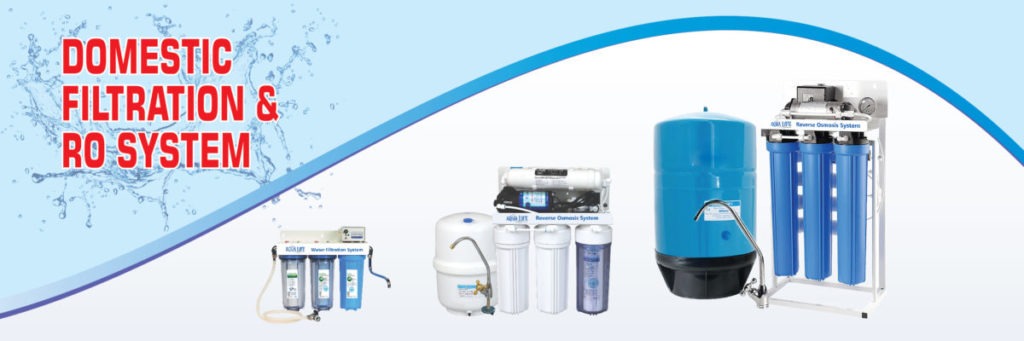
How to clean homemade alcohol?

How to clean homemade alcohol?

Perhaps the best filter or water softener plant for moonshine is activated carbon. It is able to sorb almost all organic impurities, including fusel oils. Sorption of impurities from alcohols occurs similarly to these processes in water.

It is rational to use cartridge filters with granular carbon or carbon blocks for this . They are compact and simply installed in the tube directly at the outlet of the moonshine. You can also optionally install a mechanical filter with a polypropylene cartridge in front of the carbon filter . The resource of such filters for moonshine will be slightly lower than for water, since the content of impurities is much higher. You can count on about 1000 – 1500 liters. This, of course, is enough for domestic use, but at the same time you will most likely have to change the cartridges often, since a high content of organic substances can lead to the formation of microorganisms. You can evaluate the need to replace cartridges by the quality of the product obtained after cleaning on activated carbon.  Perhaps to get high-quality alcohol you do not need any other filters. Often asked about the possibility of using ion-exchange resins and other materials. Their use in domestic conditions is not necessary, since the impurities removed by them are contained in alcohol in a critically small amount and do not affect the organoleptic qualities of water. In addition, organic substances can react with these materials and lead to the release of additional toxic products. As for ion-exchange resins, they can act as a catalyst for the formation of by-products, as well as chemically bind with moonshine impurities. 

Can I use a filter jug ​​for moonshine?

The mixture inside the cartridge of such a filter contains various components, including ion-exchange resins and catalytic materials . Therefore, we do not recommend using them for such purposes. 

For further information click here : Ro plant price in Pakistan
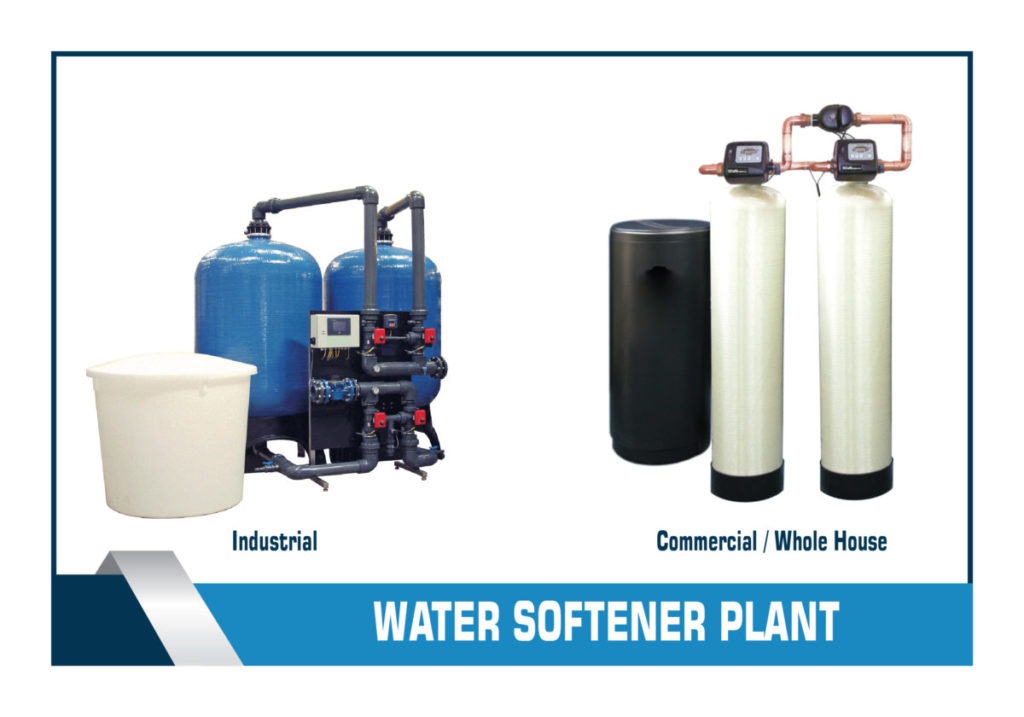
What pollution are typical for moonshine?

What pollution are typical for moonshine?

The main problem of untreated moonshine is the specific taste and turbidity. First of all, these are colloidal (suspended) particles and organic compounds (acids, esters, aldehydes, ketones, etc.). These indicators are obtained as an inevitable product in the fermentation process .Some water softener plants also have features that are used in this field.

Let’s talk about the chemical impurities of alcoholic beverages in more detail. 

  • Aldehydes and ketones give alcohol astringency and hotness. They are formed mainly during fermentation, but can also be obtained by heat treatment.
  • The presence in the finished product of acetic aldehyde is accompanied by a sharp unpleasant odor, propionic – asphyxiating, oily and isovalerianic – sharp fruity. When processing low-quality mash can form: crotonic aldehyde and acrolein, diacetyl, which have a pungent smell and an unpleasant taste. 
  • Fusel oils are higher alcohols, which are standard products of alcoholic fermentation. These are mainly butyl, isobutyl and isoamyl alcohols. They have an unpleasant, nauseating smell. As for the flavors, they provide an oily-floral taste.
  • Esters are the products of the interaction of acids and alcohols that contain mash. These compounds are formed during fermentation, also during rectification as a result of chemical reactions. They give alcohol floral or fruity smells.
  • Volatile acids (propionic, acetic, etc.) are vital products of yeast and other microorganisms.
  • These substances negatively affect the taste of alcohol. For example, propionic acid causes bitterness, valerianic, butyric and isobutyric acids have a specific smell of sweat.
  • Methanol is a toxic impurity that is strictly regulated in alcohol. It is formed as a result of heat treatment of raw materials during the breakdown of pectins. Methanol is extremely toxic, but usually does not stand out when using high-quality raw materials at home. 
  • Sulfur compounds (hydrogen sulfide, mercaptans and thioaldehydes). They have an unpleasant odor. Usually, when using grain raw materials, similar products do not form.
  • Ammonia is a decomposition product of mash components. Amines are derivatives of ammonia. As a result of the ingress of such compounds into the water, a putrid odor of alcohol may be observed. At home, they rarely form. 

For further details click here : Ro plant price in Pakistan
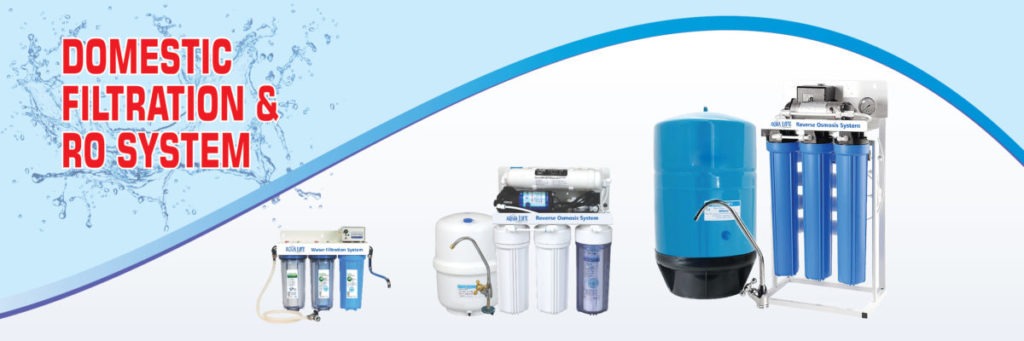
Reagents and equipment for washing boilers

Reagents and equipment for washing boilers:

Purge the boiler is a systematic process that is regularly carried out in order to remove sludge and salt from the boiler accumulated during operation. They can be obtained both from water and formed during the operation of equipment. Undoubtedly, the amount of such impurities will depend primarily on the quality of the water – the cleaner it is, the less sludge in the system. Typically, purge processes take several seconds to several hours.

Flushing the boiler provides for the inlet of special reagents into the system, which are capable of dissolving scale, precipitation, and elements of biological fouling. The main components of these deposits are calcium and magnesium carbonates, iron oxide, less commonly silicates, phosphates, etc. It is worth noting that more precipitation is formed in steam boilers than in water boilers, since the heating temperature is higher. Chemical flushing is performed approximately once a year.

Reagent washing of boilers is carried out in several stages:

  • flushing with purified water the internal surfaces of heat exchangers;
  • alkalization of boilers;
  • the introduction of an acid solution and the start of circulation;
  • flushing;
  • passivation and neutralization;
  • cleaning the boiler surface with industrial water;
  • rinsing with a stream of purified water.

Depending on the contamination of the boiler, such operations can be carried out both once and in several cycles. Sometimes it is worthwhile to completely purge the boiler before chemical flushing in order to fully remove the sludge from the system.

Reagents for washing:

Alkalis, mainly sodium hydroxide, less often soda – are used to alkalize boilers before acid washing. This operation is performed in order to passivate metal surfaces before acid washing.

Acids (hydrochloric, phosphoric, sulfamic and mixtures thereof) are designed to dissolve a variety of deposits – scale, rust, silicates, etc.

Biocides – are used to remove microbiological fouling in low-temperature domestic boilers.

Integrated reagents for flushing boilers are also widely used today .

The boiler washing equipment or water filtration plant is a circulation pump with a tank into which the reagent solution is poured. It is worth remembering that before draining aggressive flushing reagents into the sewer, they must be neutralized with special solutions for neutralization.

We tried to tell what we knew about chemicals for boiler houses. If you need more detailed advice on your case, contact the chat or the site’s hotline.

For more details visit here : Ro plant price in Pakistan

Design a site like this with WordPress.com
Get started