Water Softener and Your Skin

A water softener, the secret to soft skin?

Do you suffer from dry skin or eczema and have you tried everything to treat it? Then you should probably check your water. Because hard water not only affects your home but also your skin! Discover how a water softener plant can help.

A soft baby sheet:

There are many tips and remedies that promise to soften your skin. Eat healthily, use a day and night cream, do not wash too often with soap, protect yourself from the sun, drink plenty of water and less alcohol, add moisture with a moisturizing cream, use a micellar cleansing lotion, avoid aggressive cleaning agents, and so on. But what if all this does not help?

Irritated skin:

If you have dry skin, eczema or another skin problem, this will cause a lot of inconveniences. An annoying tight sensation after showering, itching, red spots you are trying to hide, and so on. It is often difficult to determine the cause of irritated skin. Maybe your skin is not sufficiently hydrated, has a genetic cause or you are allergic to a specific substance in your area.

Hard water, hard for your skin:

One of those environmental factors that can affect your skin is the hardness of your tap water . Medical research proves that hard water dries out the skin. Our skin has a protective layer that consists of natural oils and moisture. Lime scale in your tap water affects this layer, which damages the natural barrier against bacteria and makes your skin vulnerable. Your skin becomes irritated and dries out. If you have a predisposition to skin problems or eczema, hard water worsens the symptoms. Discover the hardness of your tap water, have an expert test your water .  

Soaps and detergents:

If you shower with hard water you will notice that you have to use more shower gel or shampoo to make it foam. But did you know that the excess soap can irritate dry or sensitive skin? Even if you use more detergent, the layer that remains on your clothes, towels and bedding can irritate your skin. This aggravates underlying skin conditions.

Soft tap water:

Address the cause of your skin problems with a water softener . The device removes lime from your tap water using special resins . The calcium and magnesium particles adhere to this and are thus removed from the water. Result: soft water flows from your tap. There is no precipitation of soap residues and minerals, so your skin feels silky smooth. Test a water softener for 40 days now and discover the healing effect of soft water.

For further information click here : Ro plant price in Pakistan
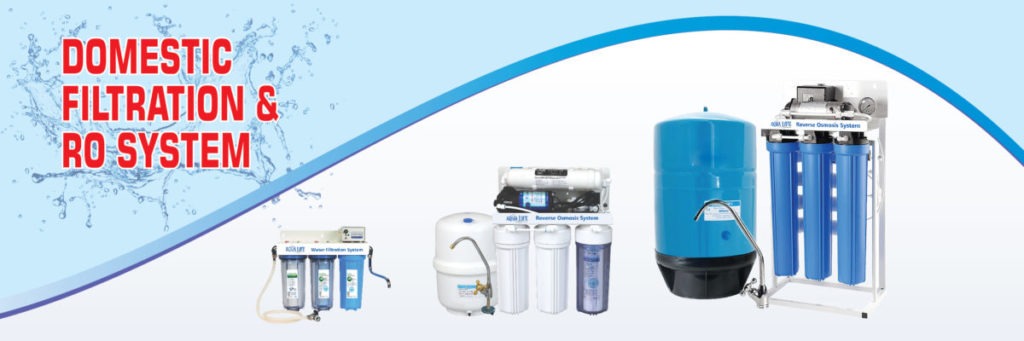
Mixing Reagents In the Pipeline

Mixing reagents in the pipeline:

As the simplest mixer, a pressure pipe can be used that delivers water from the first lift pumping station to the treatment plant or industrial Ro plant . When supplying reagents to the pressure pipe, the following must be observed: The receiving funnel at the place of injection of the reagent solution should be placed above the line of the piezometric pressure of the water in the pipe; 2) between the place of entry and the end of the pipe there should be no valves used to regulate the amount of water entering the treatment plant; 3) the length of the area on which the mixing takes place should be at least 50 pipe diameters. Turbulence of the flow is created at a speed of movement of water in the pipeline of 1.0-1.5 m / s. In order to better mix the reagent solution with the treated water and to reduce the length of the mixing section, it is recommended to narrow in the pressure pipe in the form of a Venturi pipe or a diaphragm (washer). These restrictions make it possible to slightly reduce the piezometric pressure at the place of injection of the reagent solution into the pipeline and, therefore, reduce the height of the dispenser. Such throttling devices provide the appearance of vortex flows in the treated water, which favors its mixing with reagents. The pressure loss in them should not exceed 0.3-0.4 m. The pipe supplying the reagent solution to the pressure pipe should reach its middle, and its end should be cut at an angle of 45 °. The pipe is made of plastic or glass and reinforced in the pressure pipe with an oil seal. In cases where the high-altitude location of the pressure pipe and metering devices does not provide a reagent solution to the gravity water conduit, an installation with an ejector can be used . Hole, cloisonne, corridor and vortex mixers must have at least two chambers with a water residence time of not more than 2 minutes, and it is possible to remove partitions in hole and cloisonne mixers. Periodically, the chamber of the mixer should be cleaned of sediment, to determine the uniformity of mixing of the reagents with the treated water, its flow rate in individual areas and the duration of stay in the mixer chamber. The ingress of sand and other contaminants from the mixers into the distribution systems of the flocculation chambers and contact clarifiers impairs the operation of the latter. To prevent such contamination, mixers must be periodically cleaned by partial descent of water into the sewers. For this purpose, pipelines with valves must be provided in the lower part of the mixers. Mixers should be cleaned according to the plan established at each water supply station based on <operating experience, but at least once a year. Prefabricated pipes and windows in the receiving chutes of the vortex mixers should be flooded and located below the water level at a depth that does not allow air leakage. The water in the mixers should not be saturated with air bubbles. Therefore, valves should be provided on the supply pipelines to control the water level in the mixers, eliminating the uniformity of mixing of the reagents with the treated water. The duration of its stay in the mixer chamber and the flow rate in individual sections are also subject to verification.

The operation of the mixers must be monitored in cases where the technological press of the work of a water treatment plant changes dramatically.

For further information click here : Ro plant price in Pakistan
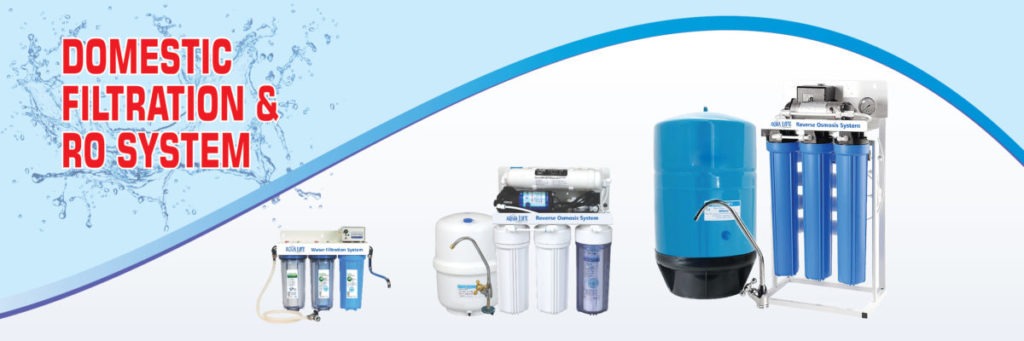
Impurities Of Natural Water

The composition of natural water impurities:

The composition of natural water impurities  in water depends on temperature  and pressure:

Table 1.1. The dependence of the solubility of oxygen in water of pure surface sources, on temperature (P = 101.325 kPa)

(P = 101.325 kPa)

Tempera, ° CSolubility O2, mg / LTemperature, *fromSolubility Ot. mg / l
014.6357.0
512.8406.5
1011.3fifty5,6
fifteen10.1604.8
189.5703.9
209.1802.9
258.3901,6
thirty7.51000.0

The presence of dissolved carbon dioxide, which is a very weak carbonic acid anhydride in natural fresh waters, is due to biochemical processes of oxidation of organic substances contained in water bodies and in the soil, as well as the respiration of aquatic organisms and their release during geochemical processes. The dependence of the solubility of COa in water at its equilibrium content is presented in Table. 1.2. However, the actual CO2 content in natural waters in some cases is increased against the values ​​given in table. 1.2. This is explained by the fact that in the process of oxidation of organic substances, fermentation of organic residues, respiration of aquatic organisms, as well as as a result of complex geochemical processes associated with the metamorphization of sedimentary rocks, a long contact of water with atmospheric air is required to achieve its equilibrium state. With short-term contact of water with air, the equilibrium content of С04 in water is not always achieved. To ensure the quality of natural water filter for home must be recommended.

  • Carbon monoxide (IV) in combination with bicarbonates determines the buffer capacity of water.
  • Carbonic acid is found in natural waters in the form of undissociated H2C03 molecules, hydrocarbonate

HCO3 and carbonate CO3 ions. The form of carbonic acid contained in water, which dissociates stepwise, can be determined by the dissociation constants. The latter usually rely on the total content of CO2 and H2CO3. For this, it is necessary to know the values ​​of the constants and the concentration of any two ions included in the dissociation equation:

and changes in the skeleton, the absence or lack of iodine leads to the disease of people with endemic goiter, etc.

Permissible concentrations of certain trace elements in drinking water are established by GOST 2874–82 (see second flyleaf).

The composition of natural waters may also include ions of radioactive elements entering the water as a result of leaching of radioactive minerals or as a result of tests of atomic weapons and the discharge of waste water from nuclear reactors. GOST 2874–82 also limits the content of radioactive elements in drinking water.

Ions W +, Cu2 +, Sr * +, Zn2 +, 5 <? 6+, Ла3 *, i4s5 + and many others related to poisonous, naturally occur in natural waters in natural state, as a rule, in insignificant quantities and fall into them in large quantities as a result of the discharge of untreated domestic and industrial wastewater.

The presence in the water of several milligrams per liter of toxic substances has a harmful effect on human health and warm-blooded animals, as well as the fatal effect on fish and their feed resources, inhibits the self-cleaning of water bodies. This group of substances includes Be, Mo, As, Pb, Se, Sr, Cu, Zn, etc., as well as some organic substances. If there are such chemicals in the water with the same limiting sign of harmfulness, the sum of the ratios of the detected concentrations of these substances in water to their MPC should not exceed 1. The calculation is carried out according to the formula

where C sg, cn – detected concentrations of toxic substances, mg / L.

Natural waters are inhabited by a huge number of micro- and macroorganisms of animal and plant origin: viruses, bacteria, protozoa, algae, higher plants and animals, which also significantly affect the physicochemical composition of water.

For further information click here : Ro plant price in Pakistan
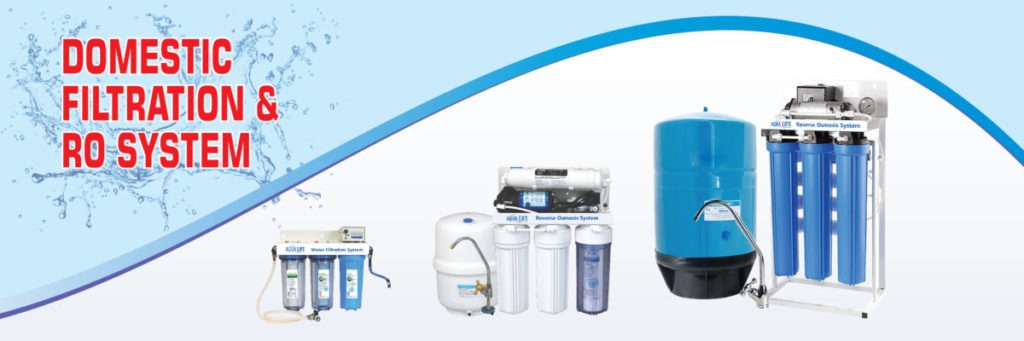
New Technologies of Water Treatment

Technological schemes used in water treatment, and principles of their arrangement

Technological schemes used in water treatment, and principles of their arrangement:

To develop technological schemes for improving water quality, much data is required. First of all, the purpose of the water is established, that is, the requirements of the consumer for its physical, chemical and bacteriological indicators; takes into account the water quality of the source of water supply at different times of the year, the degree and possibility of pollution by domestic and industrial wastewater, etc. A responsible and difficult step is the correct assessment of the source of water supply. It is important not only to determine the impurities of water, which determine its aftertaste, for odors, color, turbidity, hardness, etc., but also to study the chemical and biological processes that occur in the reservoir and affect the stability of the water composition. Therefore, the assessment of the reservoir, as a rule, develops as a result of long-term observation of the composition of water impurities, the change in time of each individual component. Only with such a study can the data of water analysis be correctly decrypted. In addition to the specific features of water treatment, determined by the requirements  of the consumer and established in each individual case, there are some general provisions that can guide you in choosing water treatment schemes or water filters for home, selecting elements of treatment facilities and their layout. When preparing drinking water, if it is withdrawn from open water bodies, the water is usually clarified, discolored and disinfected. If the sources of water supply are underground pressure and non-pressure water or the water of clean lakes and ponds, its treatment is limited only to disinfection.

The design of the adopted scheme is determined by the productivity and composition of the designed structures, the relief and hydrogeology of the site, climatic data and the possibility of creating sanitary protection zones, as well as technical and economic calculations. When designing sewage treatment plants, the complex and types of main and auxiliary equipment are determined by the accepted method of water treatment. The volumes of individual structures are calculated according to the time necessary for the course of certain physical and chemical processes in the water supplied to the treatment. With the continuous operation of these facilities, their calculation necessarily involves finding the residence time of water in various elements of the circuit at a flow rate corresponding to the normal course of the cleaning process.

Reagents are supplied to the water in such a way that its treatment ends in the designed complex of equipment and that the effluent meets the requirements of the consumer and so that in the future the water does not change its composition and properties. To do this, reagents should be introduced at the beginning of treatment facilities and special devices of a proper role. Pressure losses in such installations consist of the sum of the pressure losses in individual structures and pipelines connecting them, as well as the additional pressure loss on the filters when they are completely contaminated. The layout of treatment facilities should provide the possibility of their further expansion, which is especially important for large urban and industrial water supply systems.

If the productivity of the stations exceeds 100 000 m3 / day> bypass communications can be omitted.

Wastewater treatment plants should be designed in accordance with the instructions for the preparation of projects and estimates for industrial and civil construction.

The total amount of water entering the wastewater treatment plant is determined taking into account the flow of water to its own needs (washing filters, cleaning sumps, flocculation chambers, blowing clarifiers, etc.). Water consumption for household and drinking needs at industrial enterprises should be determined in accordance with the recommendations of SNiP 11-30-76 and P-90-81.

For further information click here : Ro plant price in Pakistan

Classification of Flotation Method

Theoretical foundations and classification of flotation methods:

Theoretical foundations and classification of flotation methods:

Heterophase impurities from water can be isolated using the selective wetting phenomenon that underlies the flotation process. The essence of this process lies in the specific action of molecular forces that contribute to the adhesion of suspended substances with bubbles of highly dispersed air in water and the formation of a foam layer saturated with the extracted substance on the water surface. The elementary act of foam flotation is that when a gas bubble approaches a hydrophobic surface in water, the particles of suspension separating their thin layer become unstable and breaks when a certain critical value is reached. Due to the short duration of contact between the bubble and the particle during their collision (0.001–0.002 s), the probability of sticking is determined by the kinetics of the formation of the contact angle. The mass of flotated particles should not exceed the strength of their adhesion to gas bubbles and the lifting force of the latter. The optimal particle size of the particles to be recovered is in the range of 10 ″ 3 —10-1 cm. Fine particles (particles with a diameter of less than 5-10 microns) float very poorly and impair the extraction of large particles. The intensification of the flotation process is achieved by hydrophobization of the surface of dispersed impurities with reagents, which, selectively adsorbing on the surface of the particles, reduce their wettability, resulting in improved adhesion of particles of impurities to air bubbles. In some cases, flotation treatment of water is combined with treatment with solutions of coagulants and flocculants. In this case, the released A1 (OH) 3 or Fe (OH) 3 adsorb water-polluting impurities, the surface of the resulting micellar aggregates is hydrophobized either by the sorbed substances themselves, such as oils, or by the addition of surfactants. After flotation separation, the hydrophobic precipitate of spent hydroxides occupies a much smaller volume and its humidity is lower than the precipitate separated during sedimentation, which is very important, especially when deactivating water. Anionic, cationic and nonionic surfactants are used as hydrophobic flotation reagents. They are sorbed at the solid – water interface so that the polar groups face the surface of the particles, and the non-polar ones face the water, as a result of which suspended solids are hydrophobized. In the case of flotation of alkaline earth metal salts and basic mineral oxides, higher fatty acids and alkaline soaps are usually used, as well as anionic substances – sodium sulfates of higher alcohols, alkyl and alkylaryl sulfonates containing hydrocarbon chains with 12-18 carbon atoms. In the flotation of quartz and acid minerals, cationic substances are used – higher aliphatic amines and quaternary ammonium salts containing chains with 12 or more carbon atoms. Foaming agents are substances capable of adsorption at the water-air interface and moderately stabilizing the foam. For these purposes, products containing terpene alcohols, monohydric aliphatic alcohols with 6-8 carbon atoms, cresols and xylenols, mono methyl and mono butyl ethers of polypropylene glycols, etc. are used. To control the alkalinity of water, lime, soda, sulfuric or hydrochloric acid are used. By flotation, water can be freed not only from suspended solids, but also from petroleum products, oils and other emulsified liquid substances, as well as from individual ions of substances dissolved in water, such as radioactive ones. In the latter case, the added reagents must form surface-active complexes with the recoverable ions. This process  of floatation is used in mdifferent types of water filters for home for domestic use.

When an inert gas is passed through such a system, surface-active complex compounds containing the recoverable impurity accumulate in the form of foam on the surface. If in a solution there are several dissolved substances with different surface activity, then in the flotation process there is the prospect of fractional separation. Researchers have established the promise of decontamination of radioactive waters containing Sr90, Y90, Nb95, Csm, the introduction of solid carriers (iron (III) hydroxides and aluminum, copper ferrocyanide) into them, followed by flotation with the addition of appropriate flotation reagents. Currently, many methods are used to saturate a liquid with air bubbles, among which the following can be distinguished by the size of air or gas bubbles: flotation with the release of air from a solution – vacuum, pressure and airlift installations; flotation with mechanical dispersion of air – impeller, pressureless and pneumatic units; flotation with air supply through porous materials, electroflotation.

For further information click here : Ro plant price in Pakistan

How to choose water filter flasks for an apartment?

How to choose filter flasks in an apartment:

1.The choice of the type of flasks – standard or custom cartridges :

Non-standard flasks,  of different sizes, even with the exceptional technical characteristics of replaceable cartridges, the buyer / consumer is tied to one manufacturer. I attribute this to a giant minus, because the price is not regulated (no competition), not always available (problems with delivery, customs clearance), production error, etc. In the case of at least one factor, the purchased and installed flask is doomed. Therefore, I think it is right to choose only water filters for home  with world-standard cartridges (in size).

2. The choice of the size of the flasks – in standard flasks, 4 sizes can be distinguished:

  • Diameter 115 mm, Height 320 mm – we call Slim 10
  • Diameter 115 mm, Height 570 mm – we call Slim 20
  • Diameter 180 mm, Height 330 mm – we call Big Blue 10
  • Diameter 180 mm, Height 590 mm – we call Big Blue 20

When installing, it is also worth considering the length of the thread, as when the flask is unscrewed, its height increases precisely by this length. For Slim flasks – 40 mm, for BigBlue – 55 mm.

When ordering a discount coupon in the cell, indicate “ waterblog ” and get -10% .

3 . The choice of flask material is an absolute coincidence:

 It is strange to say so, but experience suggests that not everything that is expensive is the best, and vice versa (the idea is about plastic flasks). Each manufacturer has a regulation of use, temperature, pressure. There were problems with different manufacturers, but now they have already settled on a particular supplier – not cheap, but you can sleep peacefully.

Transparent vs opaque – I won’t say which is better. Transparent ones are a little more expensive, but it is more pleasant to work with them, both during the service and visually just for the consumer. We have not yet a single transparent bulb burst, perhaps because we use them much less often.

Regarding metal flasks – no problems have been encountered yet, although the choice is small.

4. For hot water, I think it is correct to use only metal flasks , not plastic ones (no matter how much they cost). There is such a thing as thermal expansion … Since during the use of the flask in hot water, water can reach 50-80 degrees, after consumption the water in the flask becomes room temperature – 10-20 degrees. Not every material is able to withstand a large number of expansion-contraction cycles.

5. For cold water – no difference, plastic is 3 times cheaper than metal, but for convenience it is better, of course, to use the same ones – it is exclusively a financial issue.

6. Brass insert vs solid head:

  I state my personal opinion: a brass insert is an extra element, or rather an additional, optional element that is welded into the head of the bulb, which in any case reduces its strength. Plus a brass insert – it is much easier (and without risk to thread the thread) to screw another thread. With a monolithic plastic neck, it is different – it is much stronger, more airtight (if it speaks correctly). Minus – if something is screwed into it not by thread – the money is gone .

For further information click here : Ro plant price in Pakistan

Reverse Osmosis Desalting Water

Reverse osmosis – a method of desalting water

Depending on the pore size of the membranes, reverse osmosis, nano filtration and ultra filtration are distinguished .

Reverse osmosis is one of the technologies for water purification, implemented according to the natural principle of diffusion, which continuously occurs in the cells of organisms. Due to the arising natural pressure, water molecules penetrate into the cell through the pores of a semi permeable membrane , which consists of nanopores, passing only molecules commensurate with the water molecule and serves as a barrier to larger molecules. Penetration through the membrane occurs spontaneously, from a solution with a low concentration of impurities into a solution with a high concentration. The oxygen dissolved in water, which determines its taste, freely passes through the membrane and the purified water is fresh and tasty. At a pressure greater than equilibrium, a reverse direction process will take place on the solution side with a higher concentration of substances – reverse osmosis , i.e. under pressure, water molecules pass through the pores of the membrane, cutting off all salts from themselves, which remain in solution with a higher concentration. The reverse osmosis process that is present in all water treatment systems such as industrial Ro plant  is also based on forcing the feed water through the reverse osmosis membrane so that the vast majority of impurities are eliminated. Membrane nanopores cause a high degree of purification, the diameter of which is 0.0001 μm, i.e. 0.1 nm, which is 5,000 times less bacteria and 250 times less viruses. With a high salt content, the solution is a filtrate or concentrate, and permeate is purified water.

To conduct the reverse osmosis process, it is necessary to fulfill the following requirements:

1. The cleaning process requires the pressure of the source water and concentrate to overcome the osmotic pressure, which is in the range from 2..20 atm for drinking and mineral water, and up to 20..70 atm. for sea water

2. To avoid clogging, membranes in a concentrated contamination solution are discharged into the drain. Depending on technological factors, the volume of concentrate varies from 20 to 90 vol.%.

3. Use of prepared water to increase membrane life.

Thanks to low operating costs and excellent water, reverse osmosis water treatment It is very popular among consumers of both household filters and purified water manufacturers. The modern household reverse osmosis system is built on the principle of industrial, but with a reduced degree of preliminary water treatment, which is offset by a large amount of detachable concentrate. Fine filters have a throughput of 1..5 μm, which allows you to separate unwanted mechanical impurities of various nature, rust, scale, sand, etc. from the solution. Often, in order to remove dissolved gases, residual chlorine and organic compounds. In reverse osmosis systems, an adsorption carbon filter is used, which must be duplicated by a mechanical one to trap suspended particles from coal particles that have again appeared in the water. Prepared water increases the life of the reverse osmosis membrane at times.

The modern industrial reverse osmosis treatment system includes the following components:

  • mechanical water filter
  • reagent training system
  • pressure boosting pump
  • filter modules
  • chemical flushing.

The uniqueness of the reverse osmosis process is widely used in the desalination of sea water, so most of the water used in countries with hard-to-reach fresh water is obtained by this method .

For further information click here : Ro plant price in  Pakistan
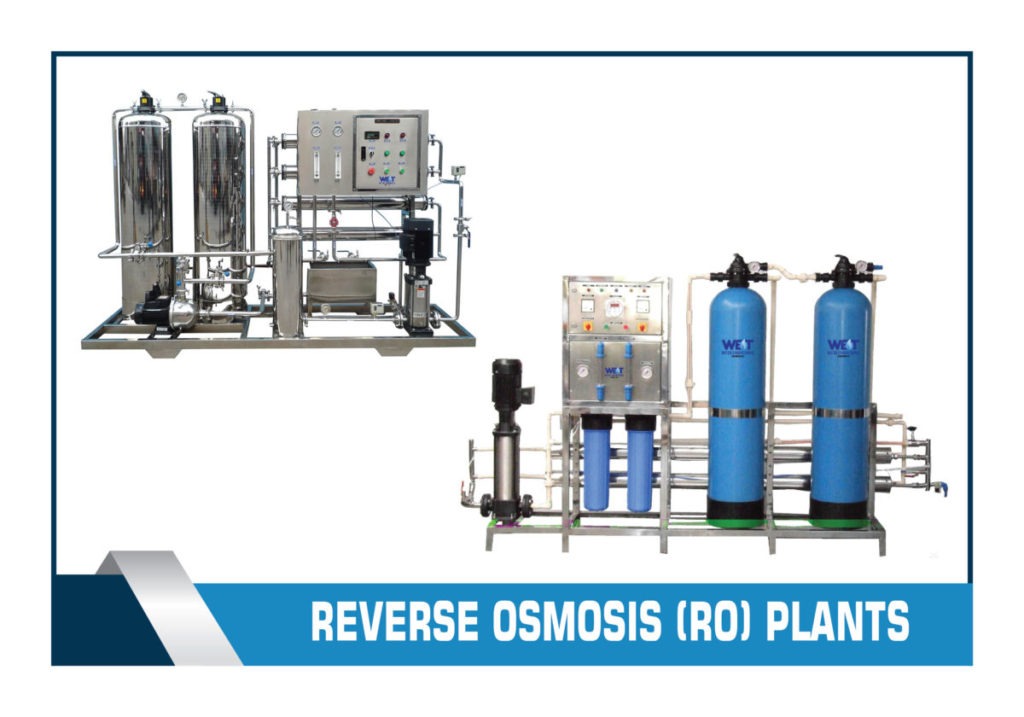
Concept of Ultra Filtration

Ultra filtration of water. Principle, Technology, Equipment

The ultra filtration systems presented in our store .

Depending on the pore size, membrane water treatment methods are divided into the following: ultra filtration , nano filtration and reverse osmosis . The main advantages of such water treatment methods

  • continuity of work;
  • environmental friendliness;
  • reagent less process;
  • full automation of the process.

Due to the ultra filtration (UV) membrane, impurities such as microorganisms, algae, and even most bacteria and viruses that are larger than 0.01 μm are screened out, which significantly reduces the turbidity and color of the water. UV cleaning often reduces oxidizability. Ultra filtration completely replaces the processes of sedimentation, deposition and microfiltration. In water treatment, hollow fiber membranes are widely used, in which the main element is a fiber with a diameter of 0.5-1.5 mm, in which the inner surface serves as an ultra-filtration membrane. To increase the filtering ability, the fibers are grouped into modules providing an internal surface of up to 50 sq.m. Ultra filtration of water , in contrast to Industrial Ro plant technology, brightens and disinfects water without changing the salt composition without the use of chemicals. In industrial conditions, the UV system operates with “dead end filtration”, i.e. in the mode without dropping the concentrate, which occurs due to the alternation of filtration and backwashing of the membrane. Part of the purified water is supplied in the opposite direction to remove accumulated contaminants. Adding a special solution to the wash water, which consists of detergents, improves water purification . This kind of flushing water, which has become a concentrate, averages 10-20% of the total water flow. If necessary, enhanced washing of membranes with circulating detergent solutions dramatically increases their resource ..

The uniqueness of ultra filtration is that it can be used to produce high-quality drinking water directly from a source with surface waters, because The UV membrane is an ideal barrier to most viruses and bacteria. This feature of ultrafiltration of water frees water from the need for primary chlorination, because disinfection of water takes place immediately before serving it to the consumer.

For further information click here : Ro plant price in Pakistan
How To Do Water Analysis

How and where to do water analysis:

Before using water from a well or well, an urban water system, an analysis of water quality is necessary . There are a number of ways to verify water quality. The easiest way is to try and evaluate the taste and smell; you can also look at the sediment by pouring water into a transparent container and letting it settle. Also, information is needed to select a water filter for home that will be optimal in your case.

But you can’t get full information about the state of water. The only correct way in the solution is to check the water for quality and suitability for use – this is an analysis by specialists. With the help of the analysis you will get the answer whether this water can be used for drinking, washing, whether this water can protect your household appliances and plumbing from deposits, scale, whether it is worth installing additional water filters and other treatment equipment, how safe it is to take a shower and bathe children, and more. You can also get information about water problems and how to find a solution. Therefore, it is very important to do a full chemical analysis of water quality .

Preparing water for analysis is simple enough and should not take much time. For a correct and correct analysis, it is necessary to take a sample of water from the source used. We do it this way: take a glass jar up to 1.0 liter, rinse it with the same water, draw under a small stream so that no bubbles form and close it with a lid. This is done only to avoid distortion of the analysis results.

  • The water sample is accompanied by an accompanying document, which indicates:
  • the place where the sample was taken: region, district, village, street, house;
  • source from where the water sample was taken: well, spring, artesian well or water supply;
  • date of water withdrawal for analysis: day, month.

The question of “how” is summarized. But to the question of where to make a water analysis, either a search engine or companies involved in water treatment will help. In most cases, for the selection of water treatment equipment it does not make sense to do a full analysis of 50 indicators, but enough for 5-10. Again, the traditional organizations that do water analysis are carried out both in the SES or in the Vodokanal branch, as well as in independent chemical laboratories specializing in water analysis, as well as in laboratories at institutes and scientific institutions.

Such analyzes are done within a few days. After that, the body that did the analysis should provide a protocol and draw a conclusion about the suitability or unsuitability of the water source.

For further information click here : Ro plant price in Pakistan
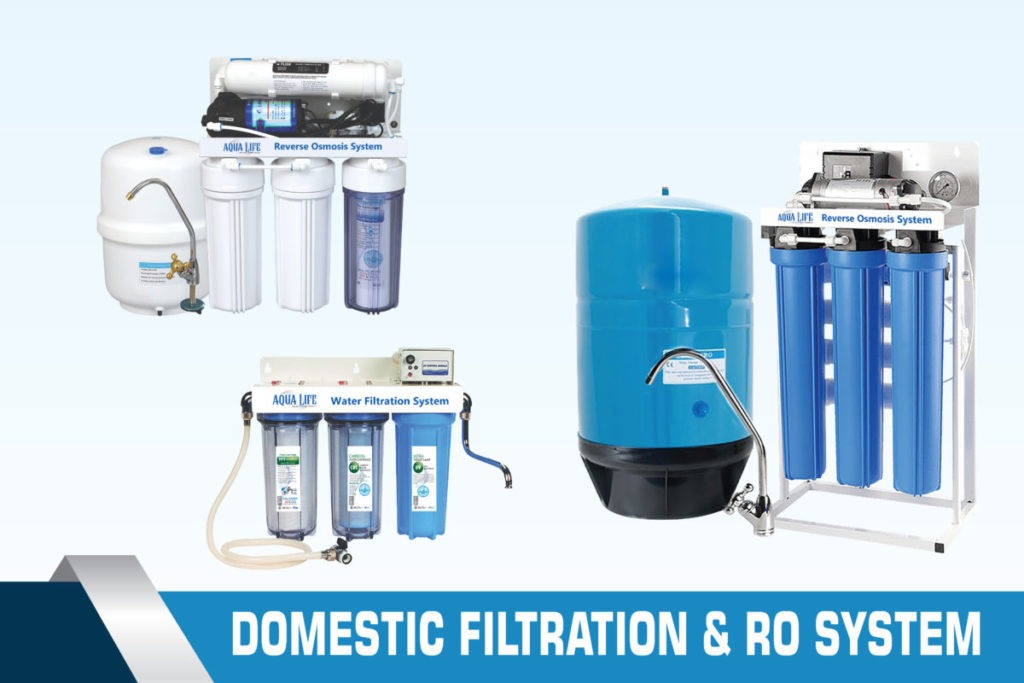
Some Interesting Facts About Water

Interesting facts about water:

It is interesting that the composition of the Earth’s mantle contains water more than 12 times more than in the World Ocean. It is a fact that the main component of the composition of the mantle of the 400-670 km zone is water, which is about 0.1 wt. % and it is present with Mg-silicates. The amount of stored water in the mantle shell would be a layer 800 meters high on the surface of the Earth.

With the melting of all glaciers on Earth, the water level will rise by 65 m, while only 12% of the land surface would remain, and the rest of the surface would be flooded.

Interestingly, seawater on average freezes below -1.91 ° ​​C, and boiled water, as a result of a reduction in the amount of oxygen during boiling, freezes faster than tap water. Hot water freezes easier than cold, the so-called Memba effect, because During evaporation, heat is intensely removed from the water, and the remaining water freezes faster.

Infrared radiation is strongly absorbed by water, and only for visible rays the water is transparent.

Every year, the discharge of world effluents is estimated at one and a half thousand cubic kilometers, when only 1 liter of such water brings about 10 liters of fresh water into a state unfit for drinking.

On average, 1 cubic centimeter of sea water contains 1.5 mg of protein and carbohydrates. It is estimated that in the Atlantic Ocean there are “nutrients” for 20,000 crops harvested per year on the whole Earth.

There is a saying: “In wine – truth, in vodka – strength, and in water – microbes.”

It is necessary to treat water not only well, but also to love and respect. She is the cradle of all living things. She can not be scolded, because she remembers everything and hears everything. Therefore, I recommend you recipes from this site. Water feels everything – it is a living organism. Water filters for home must be used for house hold purpose in order to ensure our health.

Other interesting facts about water will be picked up in the next article.

For further information click here : Ro plant price in Pakistan

Design a site like this with WordPress.com
Get started