Hospital Wastewater Treatment

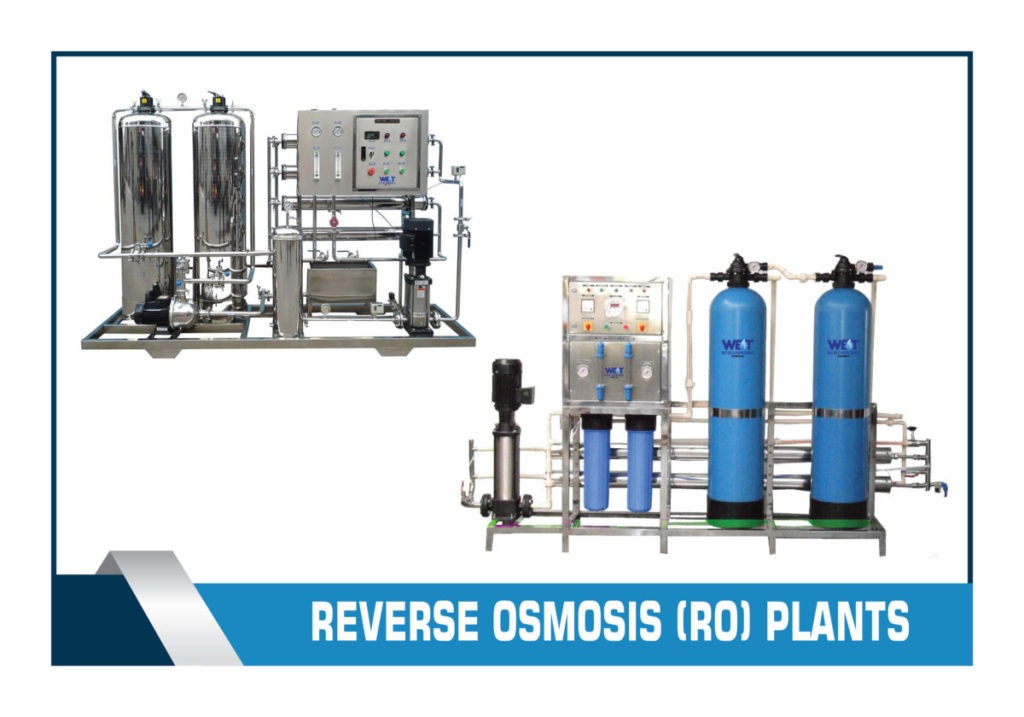
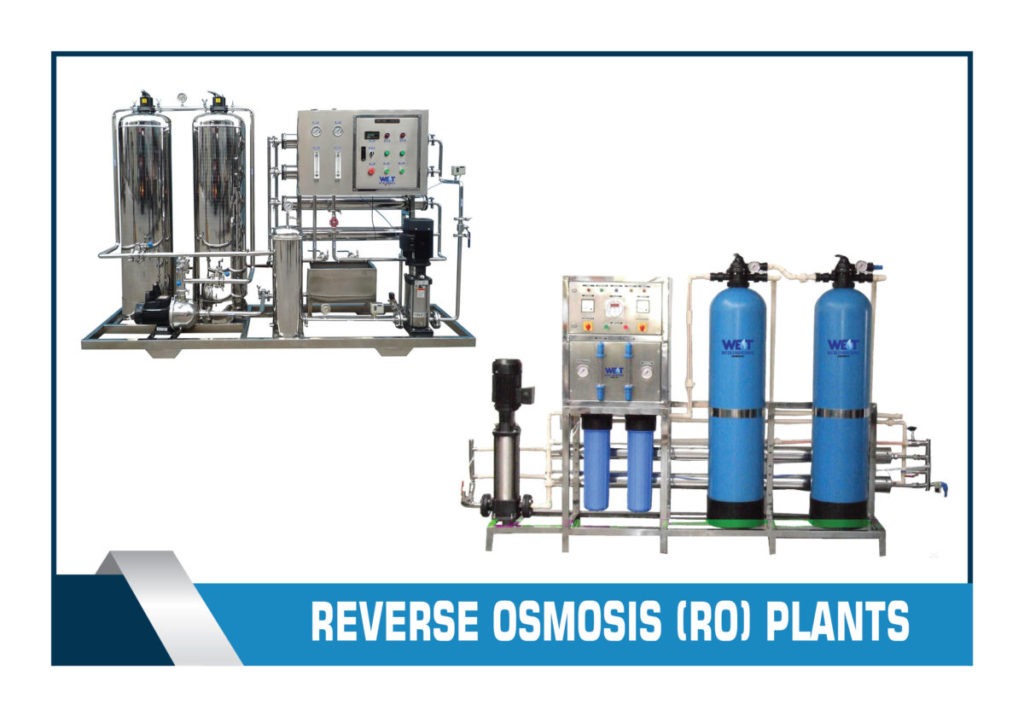
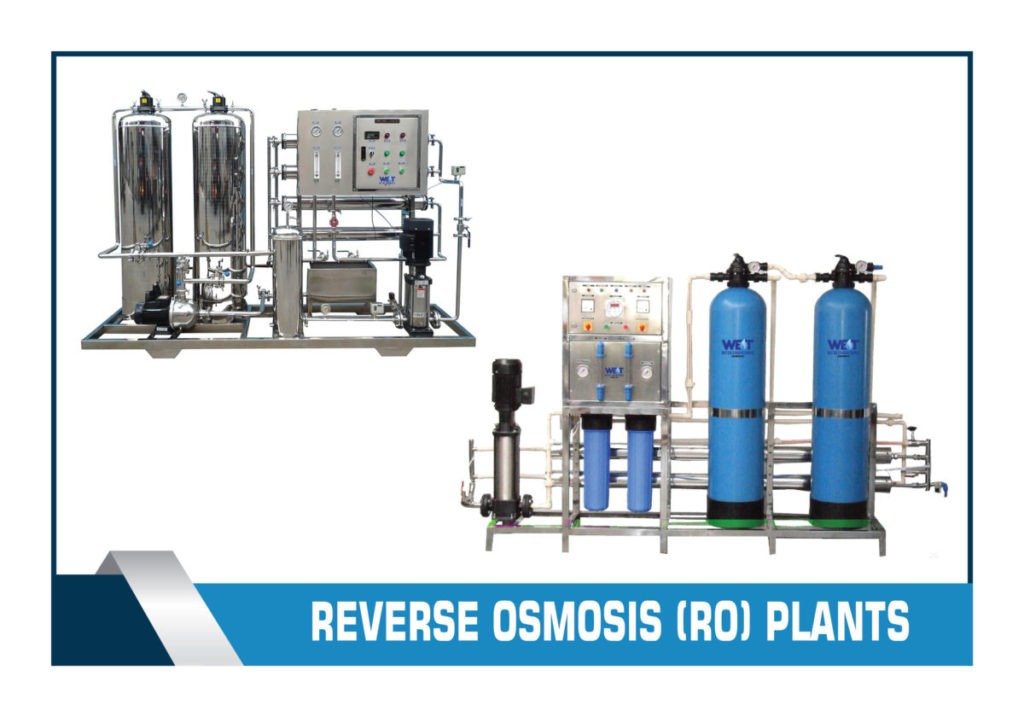
In this article we will discuss the sources of hospital waste water , the effects of hospital waste water on the environment and how innovative electro coagulation treatment technology can be used sustainably as part of an integrated hospital waste water treatment system to effectively treat this polluted waste water stream. This is similar to industrial Ro plant membrane.

When people are sick or injured, they usually go to a hospital to seek treatment from a qualified doctor. The number of patients in a hospital at any given time for any number of conditions can be quite high. People go for cancer treatment, fractured limbs, infections, pregnancy, colds, flu, snake bites, alcohol poisoning, drug overdose, burns, organ failure, heart attacks, strokes …

There are many reasons :

There are many causes of illness and injury, and therefore there are many different materials and methods to treat them. Chemotherapy for cancer, antibiotics for infections and disease, vaccines for disease prevention, etc.

That is all well and good, but that is not the problem here. Hospitals are cleaned and certain chemical and biological waste materials are disposed of in a highly regulated manner. But what about the water? At least, what about the wastewater? Some patients are infected with harmful bacteria and these patients receive cocktails of medicines to help them, but human bodies ultimately filter those medicines and bacteria out of the body. Where are they going?

Down the drain :

After that, it usually depends on the location of the hospital. Hospitals in developed towns and villages are usually connected to a municipal sewer system, which transports the waste water to a treatment plant. If they are not, the polluted water is dumped into a nearby body of water. However, even if the wastewater is sent to a wastewater treatment plant (STP), those factories are usually designed for municipal wastewater and are not equipped to process wastewater specifically for hospitals. Although a municipal sewage treatment plant will treat household waste water that is typical of the average home, contaminants specific to hospital waste water will not be adequately treated prior to discharge of installations.

For further information click here : Ro plant price in Pakistan
Hospital Wastewater Treatment Contaminants

What kind of contaminants are we talking about in hospital waste water?

Well, immediately after leaving the hospital, wastewater can contain:

  • Bacteria and viruses
  • Pharmaceutical
  • antibiotics
  • painkillers
  • hormones
  • antiseptics
  • Incentives
  • tranquillizers
  • Disinfectants and sterilizers
  • Fecal matter and urine
  • Radioactive isotopes
  • Personal Care Products

Heavy metals:

The irony of hospital wastewater is that it can cause human health problems if it is not treated properly. Some bacteria present in hospital waste are antibiotic-resistant bacteria, along with other pathogens that had infected patients. Presence in surface water can spread diseases even further and resistant bacteria can reproduce and mutate and become more difficult to cure in the future.

The impact of medicines on human health and marine life is still being monitored and researched, but scientists theorized that long-term exposure can cause serious problems for the surrounding ecosystem.

For hospitals that discharge directly into surface water, there are many environmental risks for living organisms. Some scientists have drawn parallels between surface water drugs and altered sex functions in fish, indicating that this can cause hormonal imbalances in aquatic life.

Personal care products are also known to cause problems with aquatic animals. The presence of organic material can also mean that nitrogen and phosphorus are in the wastewater and they can lead to algal blooms that lower the oxygen content of water bodies and cause fish to die in large quantities in a process called eutrophication.

To prevent such effects, it is important to take measures to ensure that hospital wastewater is treated properly. This may mean that municipal sewage treatment plants  or industrial Ro plant system must adapt their existing systems to process specific waste water from hospitals, which may require a separate sewage line or another way of keeping it separate from domestic waste water.

In addition, regulatory reform could require hospitals to treat their own wastewater on site to an acceptable level before sending it through the sanitary sewer to the municipal WWTP for further treatment or discharge into surface water bodies.

So which treatment technology could be used for this application?

In recent years, electro coagulation (EC) has grown in recognition and use as a feasible, effective, and efficient water treatment method for a wide range of industries. This technology is well equipped to also address applications for waste water treatment in hospitals. By using electrical current supplied to a series of electrodes, the effluent solution is destabilized, allowing particles to coagulate and float to the surface through bubbles formed at the cathode.

EC has the ability to remove and reduce a number of unwanted contaminants from different sources. Such contaminants include emulsified suspended solids, dissolved solids, pathogens, organic and inorganic chemicals, and even certain pharmaceutical residues.

This paper shows the removal rates of Diclofenac, carbamazepine and amoxicillin between 70-90% in EC treatment. In this case EC could be used in an integrated hospital water treatment system for the removal of pathogens and pharmaceutical residues from hospital waste water flows.

Electro coagulation is not only effective, but it is also easy to operate and maintain, and usually requires no additional chemicals for treatment, except for possible pH adjustment or electrode cleaning.

The lower life cycle costs of international companies specialized electro coagulation systems can protect waterways against pathogens and drug residues that may be harmful to humans, animals and aquatic life.

For further information click here : Ro plant price in Pakistan
Electro coagulation For Agriculture

The advantage of electro coagulation in water treatment for agriculture:

Now a day is one of the most intensive and the best fields through which all humanity can survive, the field of agriculture and aquaculture. The agricultural industry is a water requirement industry and needs a constant free water supply of pollutants, just like in fish farming. And to provide this pollution-free water supply, a large number of water treatment solutions and specific soil development are required that are sustainable and environmentally friendly.

How treated water is useful?

One of the main benefits that all employees involved in fish farming face is that the treated water or the contaminated free water used by the advance water filtration companies or industrial Ro plants are not only useful for fishing, but also increases fish farming . International companies  also take an important initiative in improving water qualities for agriculture and aquaculture.

It tries to free mater from any harmful contamination for agriculture and fish farming. They also have solutions for specialized sustainable Agro-Z medium that is previously used as a soil additive to increase plant growth and deliver better productions. And since water is the roots of any improvement in both agriculture and aquaculture, it is very necessary that suitable and useful water is used for this.

What are the benefits of electrocoagulation in water treatment?

Electrical coagulation is the passage of electrical current through the water deposits; it has proven itself as an effective method for removing water contaminants from water. These electro coagulation systems have been in the news for many years. With the help of a variety of anodes and cathode geometries, plates, balls, fluidized bed balls, tubes and wire mesh, these systems have been functional in several ways.

  • Electro coagulation has reduced the contaminated water volume by almost 98%. It has been able to reduce treatment costs by a total of 90% for water containing heavy metals and oil emulsions.
  • By means of electro coagulation, the water is generally cleaned by removing floating materials such as silica, clay and soot by almost 98%.
  • It also reduces the heavy metals from water such as arsenic, chromium, lead, nickel, zinc and cadmium to almost 98%.
  • The electrocoagulation systems have been successfully used in industries for purposes such as harvest protein, grease, fibers from the food machine waste streams, remove metals to allow closed loop systems, restore brine cooler water by removing grease, bacteria, etc.

For further information click here : Ro plant price in Pakistan
Food processing Filtration

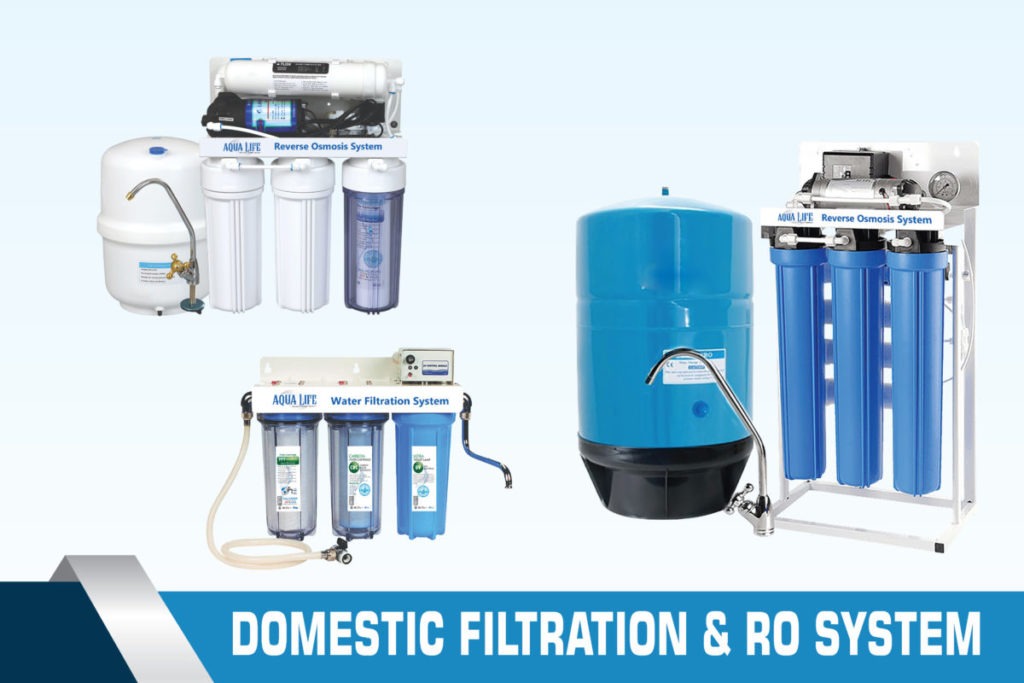
The qualities and volume of waste water released from the food processing industry have led to great concern for ecologists around the world. However, the amount and quality of the waste water varies according to industry and food processing types. Although some food organizations prefer to discharge the waste water in a certain period, some choose to send polluted water all year round, which has proven to be a major concern. All waste water in the food preparation plants is treated with the help of an innovative treatment process, called food processing waste water treatment .This technique is also used in water filter for home for domestic purpose .

In the past, wastewater from food processing organizations has proven to be an extreme fusion of oils, solids, fats, fats, surfactants and biological components that could clog motorized filtering tools used in industry and destroy biological biology systems, disintegrate functions and tapping sources. But now with the efficient wastewater treatment formula for food processing, it has become a little easier to manage and refine the contaminated water before it is discharged into external water sources.

How to choose the right method for waste water management:

The food processing industry has covered a wide range of segments and activities related to the production of healthy food and beverages. It generally includes fruit and vegetable production, beverage packaging, dairy and cheddars, meat preparation, egg washing and much more and therefore the frameworks for food processing from wastewater management also differ for different industries.

Waste water treatment for food processing also includes various forms that use anaerobic processing to make methane gas or high-impact water-saving medicines that make pure and refined water for organizations. The moment the waste water treatment is built up, dealing with the limited space and the extreme load of waste water is crucial for the organizations.

Because creating food requires a lot of water, you need to be at least more careful when choosing the answer for water management for your industry. One of the biggest problems for food processors is the biological oxygen demand (BOD) that is created when food waste enters the waste water. The higher the BOD level in the waste water, the closer the treatment must be.

For further information click here : Ro plant price in Pakistan
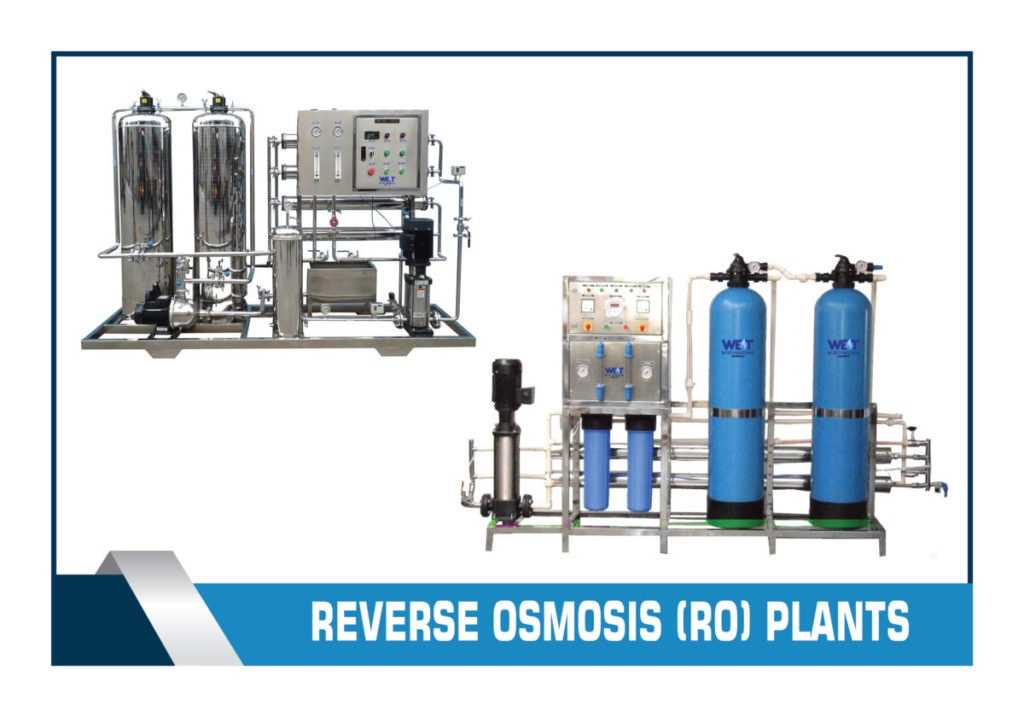
Textile Water Treatment

Water is nature’s most beautiful gift. Water is the most useful and abundant substance on earth. Water is not only essential for human lives, animals and plants, but also has a unique interest in the industry. The textile industry uses very intensive water. Water is the most important basic medium in the textile industry for applying dyes and various finishes.

So textile waste water treatment has been transported in many companies so that water can be reused. Due to the scarcity of water, the costs of water are increasing. For example, environmental regulations have led the textile industry to look for innovative, advanced and efficient solutions for waste water treatment e.g water filter for home ,water fiter for home etc.

The textile wastewater treatment helps to reduce operational costs and helps to maintain compliance with the regulations. Important pollutants in the textile industry are high suspended solids, heat, color, the demand for chemical oxygen, acidity and many other soluble substances.

There are a few processes to remove all types of impurities from the wastewater. These processes are divided into three categories: primary, secondary and tertiary. The primary process includes screening, sedimentation, equalization, neutralization, chemical coagulation and mechanical flocculation.

The secondary process includes an aerated lagoon, drop filtration, active sludge process, oxidation ditch. The tertiary process includes oxidation technique, electrolytic precipitation and fractionation of foam, membrane technologies, electrochemical processes, ion exchange, photocatalytic degradation adsorption and thermal evaporation.

In the textile industry, water functions as an important substance for production. Water is treated for many production applications in this industry. Some of the applications include dyeing fabrics, finishing fabrics, prints that consume around 55-60% of the total water consumption. Other applications are process water that is used to clean the raw material and consumes around 40-45% of the process water.

The removal of water impurities for textile purposes is very important because the toxin present in the effluent poses a serious threat to human life and their environment, as well as to ground and surface water sources. The textile industry must continuously monitor the textile effluent and properly treat the waste water before the water bodies are drained and save the depleting natural water resources.

In particular, it is recommended that appropriate legislation be adopted in the textile industry. There are many water technologies that work in the design and supply of innovative, optimized and environmentally friendly water and help in the wastewater treatment of textiles for the productive functioning of the manufacturers.

For further information click here : Ro plant price in Pakistan
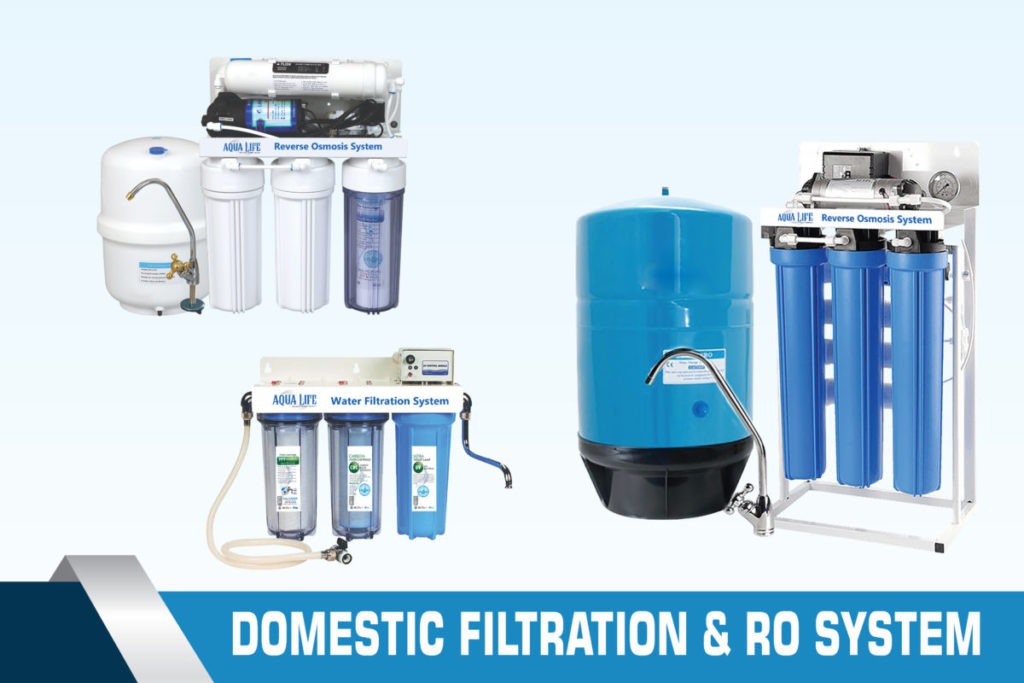
What Is electrocoagulation

In the current era, water scarcity is one of the greatest threats to humans. Because the population is increasing rapidly, the demand for water is also increasing. Soon there will be a situation where there is no water on this planet to use. In such circumstances, some innovative companies have designed a technology-based solution for the treatment of waste water, with which the waste water can be converted into usable water.

Some light on electrocoagulation

electrocoagulation is one of the efficient methods for purifying waste water. With the help of this method it is possible to remove the bacteria, emulsified oils, heavy metals and contaminants from the waste water. An enormous amount of water is used in industry to ensure efficient productivity. This technology is also used at domestic level in water filters for home. The amount of waste water discharged from the industries is therefore also very high. Water scarcity is only an example result of this customers.

How is it made?

The company has put together a dedicated team of designers and experienced members who have full knowledge of the wastewater treatment plants. The dedicated team first examines the process of water supply and drainage in the industry and then offers customers an effective design of waste water treatment plants.

After the customer’s confirmation, the structural and configuration work is sharply maintained. The general procedure for waste water treatment is managed through various processes. Each process involves different reactions that effectively treat the water. It is very necessary for every industry to use wastewater treatment technology to save the water.

It has been scientifically proven that the water after waste water treatment is 100% pure and can be used for various applications. Imagine if all industries on this planet were to adopt this technology, how attractive would be a ecosystem.  the ability to efficiently build the wastewater treatment plant.

For many years it has been offering customers such great solutions for waste water treatment. This company has succeeded in earning a good reputation in the market due to its good service. So if you are looking for a dedicated service provider for an efficient electrocoagulation system.

For further information click here : Ro plant price in Pakistan
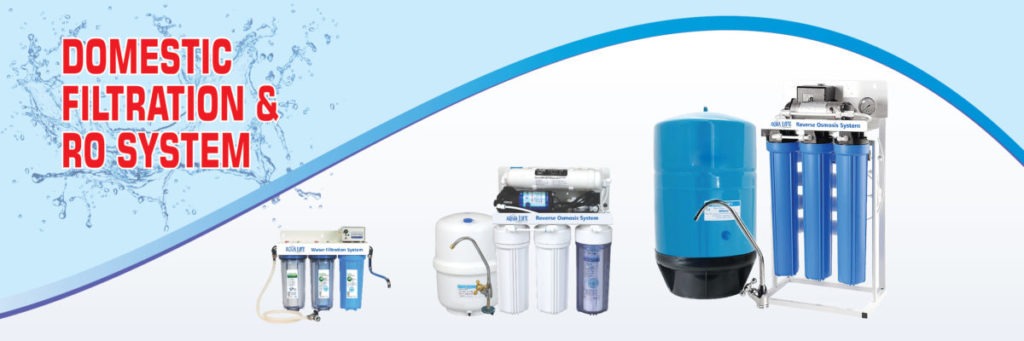
Advantages of Zeolite Filtration

Water is widely found almost everywhere on earth. The natural water sources such as lakes, rivers, etc. That supply water contain a lot of pollution, waste that is unsuitable for human consumption. To clean the water, it would have to undergo numerous water treatment media procedures that make it suitable for drinking. The water purifiers are designed to remove or reduce certain types of pollutants such as nitrates, pesticides, organic materials, etc. and to improve water quality by removing chlorine.

There are different types of water treatment techniques used to clean water: distillation, reverse osmosis, UV water treatment ,water filters for home etc. There is an increasing need for sustainable methods that also are environmentally friendly to supply the simplest quality and effective solutions for water and wastewater treatment in both industrial and domestic applications.

Advantages of using natural zeolite filtration media in water treatment:

The Zeolite media is a powdered water treatment media used by all the multinational or advanced companies , is a cost-effective and environmentally friendly product that can be broken down at a landfill and that it also passes all TCPL tests. The product has been specifically designed to address the problems of total suspended solids, hydrogen sulfide, salt, ammonia, turbidity, certain hydrocarbons, and the absorption of bio-particles in the primary treatment procedures.

Some of the advantages of implementing the Zeolite media are that it lowers the solids content because the solids content is easily dewatered by reducing maintenance of sludge removal costs, it increases the solid or liquid separation compared to that of aluminum sulfate or polymers that cause flocculation of the specifics, the Zeolite media filtration is an easy-to-use powder form that has no environmental impact, has low-density media that can lower shipping and handling costs.

Implementation of Zeolite solutions by companies:

 International companies used environmentally friendly techniques for waste water treatment, treatment of polluted water and water treatment media, filtration solutions for drinking water, waste water reuse and process water.

International water organizations or companies are designed to offer their customers the best treatment solutions to meet their changing needs. The company has the right tools and expertise to tackle the most difficult industrial wastewater problems. It has a global presence with a pool of strategic alliances in different countries to meet customer needs by maintaining excellent customer relationships.

For further information click here : Ro plant price in Pakistan
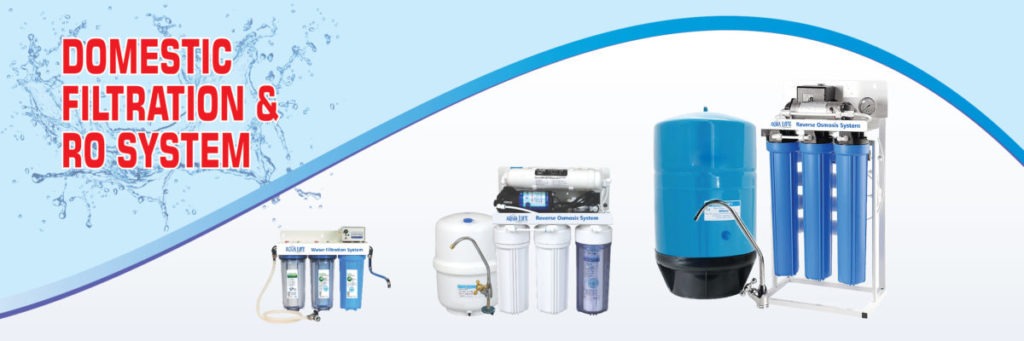
Efficient Water Treatment Plants

Various natural bodies of water and reservoirs are the vital sources of fresh water for municipal areas. The water collected from natural bodies of water and reservoirs is chemically treated and made suitable for drinking and other regular activities. Billions of liters of water are transferred from the plants to the municipal sectors. The main objective is to provide safe and clean drinking water to the residents in the urban area. But in most areas water filters for home devices are also in  use by the people

Growing population and polluted water requires an efficient water treatment plant:

With the rolling time the population increases, which immediately increases fresh water consumption. The amount of fresh water is constantly decreasing for climate change and the growth of the industrial sector. Increasing pollution is another factor that pollutes water and the environment and affects human health. Waste water from urban areas and industrial areas is released into the surface water bodies that affect the quality of fresh water. To balance the amount and quality of water, it is essential to treat waste water and convert it into portable water that can be used for various purposes, including consumption.

 Designs water purification installations that meet the need for potable water:

Companies design and produce  Drinking Water Treatment Plants that treat and purify water from different water bodies, making it suitable for consumption and other daily activities. The water purification plants remove the chemicals, particles, organic materials and other waste from the water and treat the water resulting in clean and potable water that can be used for boiling, cleaning, etc. The water purification plant that is used for purifying water and by to make it suitable for human consumption, health risks in the short or long term for adverse effects of the polluted water are prevented.

How does the water treatment plant purify the water and make it suitable for consumption?

The water purification plant is designed by international water organizations that removes bacteria, viruses, algae, fungi, minerals, suspended solids and much more waste from water that makes it unsuitable for consumption. The water treatment plant comprises various effective physical processes, chemical processes and biological processes. The plants designed by multinational water companies  treat various aspects of the treatment and transformation of the water into potable water. The company’s ultimate goal is to safely regulate water among the public. The water exceeds the standards regulated by the WHO. The water treatment plants meet the quality requirements of consumable water that performs essential water treatment and treatment techniques. Coagulation and flocculation, sedimentation, filtration and disinfection are the prescribed water treatment process. The water treatment plants are adjusted to the quality of the water that enters the treatment plant and treated in the same way!

For further information :Ro plant price in Pakistan

How to Reuse Household Water

Effective treatment of household water and its reuse has become essential in modern times. Although such processes are technologically advanced in a significant way, it requires expertise or knowledge of technology for proper execution. In addition, special strategies must also be applied for process optimization. Modern water Filters for home are used in the modern day water treatment which is very affective.

Strategies for more conservation:

It has become essential for a household water reuse and treatments are environmentally friendly. In this context, it is obvious that technologies that recycle waste water in a natural or organic way are preferable. Reed beds can be a good example of this. The use of such beds has increased considerably in many renowned parts of the world.

No matter how high-end technology you use, problems such as leaks can certainly ruin things. The prominent reason for leakage is the use of low quality pipes. Leaks are essential for more water saving. Top water treatment companies such as Genesis Water Technologies use systems such as CIP (Clean in Place) for more conservation. In principle, these systems use high-quality nozzles. Here the process goes through several steps, instead of one-time loading and draining.

Effective recovery of condensates:

Effective condensate recovery can always ensure household water reuse productively. In modern times, high-end systems are used where the condensates can be reused for boiler power. These systems have considerably minimized water consumption. At the same time they are also very energy efficient and can therefore be economically advantageous.

Specific approach to impurities :

Reuse or treatment of water in modern times is much more strategic. Reputable service providers try the specific methods only after they know the impurity type. Knowledge of impurity type also helps with research processes. Knowing the impurity type, it can easily be converted into useful nutrients. The chloramines can for example be converted to chlorine. The process would effectively prevent the formation of THM (Tri Halo Methane).

Biological treatments are undoubtedly still the best options for reusing water for household use. In these methods the organic bacteria are used to break down the organic waste and converted into the usable compounds. These organic bacteria actually use these waste materials as food. Such processes can be carried out much more effectively through a thorough analysis of water or the type of waste that it contains. Certain processes even use the granular media to make the bacteria stationary, so that they can be used constantly in a stream of water. However, all these processes must be handled under the close supervision of an experienced professional.

For further information click here : Ro plant price in Pakistan
Gray Water Tanks

Over time, the individuals have understood the value of water and have therefore started to reuse the waste water after treatment. Gray water Reuse is one of the most common examples observed today. Especially the large hotels and facilities, which use a lot of water every day, now use the water purification solution for gray water.

Every day, tons of waste water are drained from the building and led to the nearby areas or rivers. The gray water is also known as domestic waste water which is domestically treated by the water filters for home, but contains no faecal contamination or sewage. For this reason it is subjected to waste water treatment, for reusability. The sources of gray water in particular are waste water from showers, sinks, dishwashers and washing machines. The larger organic molecules are not present in the gray water, so it is possible to treat the gray water.

Gray water Reuse:

Customers looking for Gray water Reuse prefer to use services from Genesis water technology . Well, multinational companies has built up a good reputation in waste water treatment solutions. It has been in this industry for a long time and therefore all its solutions are highly appreciated by customers. It offers Gray water Reuse services to reputed hotels, construction companies, building facilities and other construction-related hubs. It has put together a dedicated team of technicians and engineers to manage Gray water treatment. Once the customer has registered a question regarding gray water treatment, the engineers will visit the site in person and analyze the situation. Well, it is very important to collect the gray water without fecal contamination, otherwise the treatment is not effective.

draft Procedure

The engineers therefore design a waste water treatment solution for the customer within the building. A huge water tank is being built to store the gray water. The stored water will then be subjected to different treatment procedures and then the treated water will be sent to the building’s water supply system. This treatment is mainly used for flushing and washing the toilet. This saves a large amount of water. This immediately reduces the costs and bills related to water consumption and thus the customer succeeds in making a good profit.

For further information click here : Ro plant price in Pakistan
Design a site like this with WordPress.com
Get started